
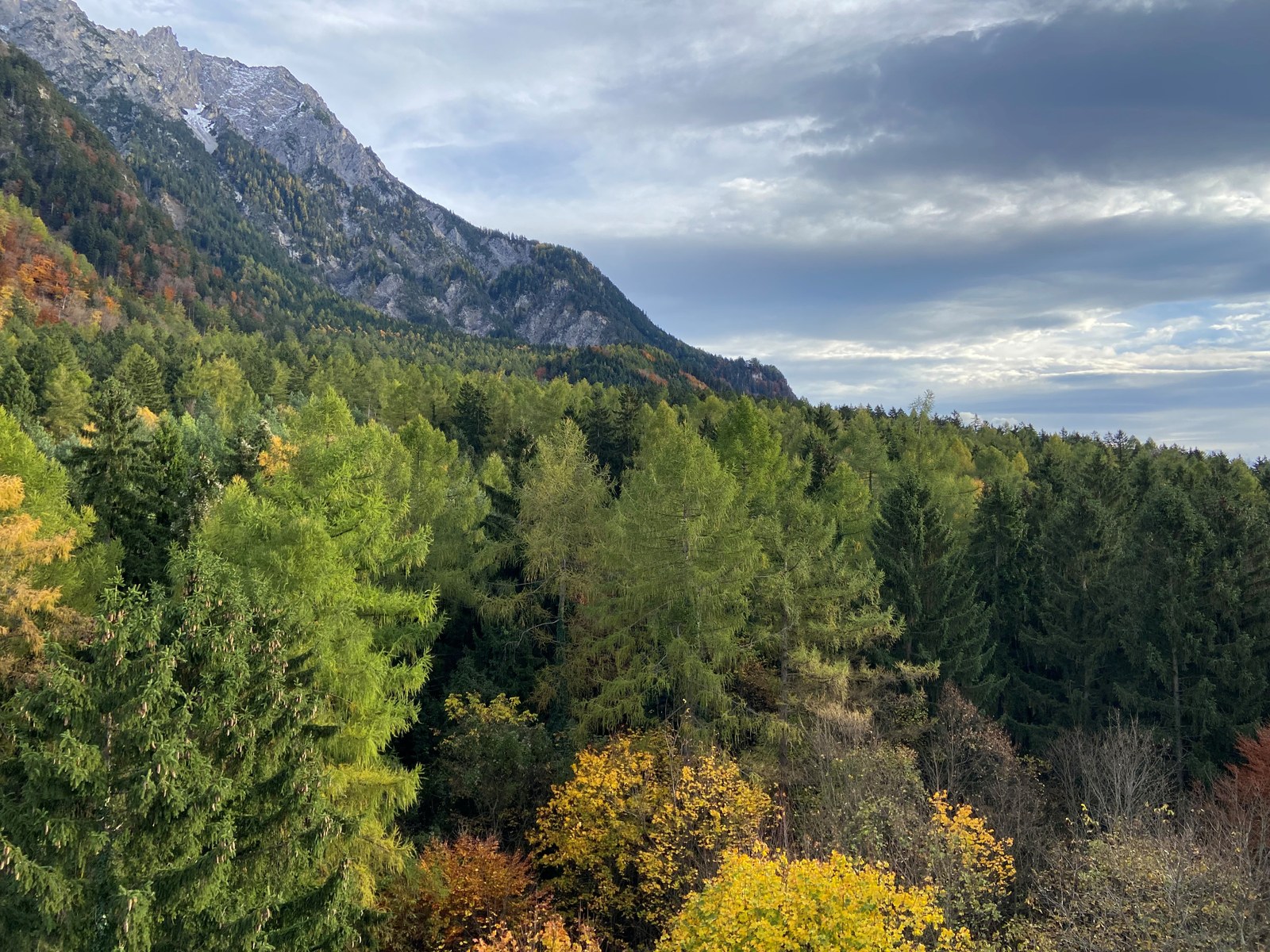
Act now to protect forests: sign the #HandsOffNature petition!
More than 40 percent of the Alpine region is covered by forests. They are not only a defining feature of the landscape, but also a cornerstone of Alpine livelihood, providing building materials, supporting biodiversity, and delivering essential ecosystem services.

Who is CIPRA?
Find out more!
More articles
alpMedia | Schaan, LI
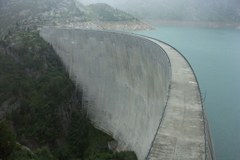
New publication on mountain dams
The new March issue of the bilingual magazine La revue de géographie alpine / Journal of Alpine Research looks at impoundment dams and new challenges in mountain areas.
alpMedia | Schaan, LI
The Alps as a Model Climate Region: cc.alps shows how it's done
Climate change is affecting the Alps more than other regions of Europe. That's why in many areas measures are now being adopted and prepared to reduce, or adapt to, climate change. CIPRA's new project "cc.alps" is designed to help ensure that these climate response measures are in keeping with the principle of sustainable development as far as possible.
alpMedia | Schaan, LI
New alpine Natura 2000 regions
In spring 2008 a whole range of new alpine Natura 2000 regions were included in the EU-wide network of protected areas Natura 2000 and published in an updated list.
CIPRA Internationale Alpenschutzkommission | Schaan, LI
Future in the Alps comes to a close
Future in the Alps was officially terminated last December. That makes it time to look back at the work done and the results and successes achieved in the course of the three and a half years of the project and also to look forward into the future after Future in the Alps.
Events
|
Symposium 2: Vernacular Buildings in the Anthropocene | Austrian Academy of Sciences, Vienna (Austria) |
Projects
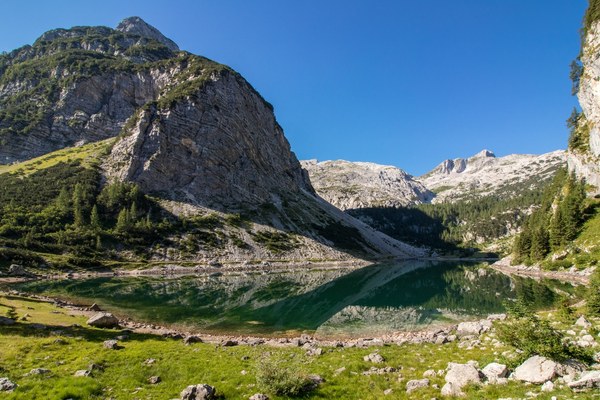
Responsible management of mountain water resources
Mountain regions constitute a unique yet fragile natural environment that provides habitat for numerous rare and endemic species. Their biodiversity is rich, yet highly vulnerable. These areas host a variety of aquatic ecosystems—rivers, streams, lakes, wetlands and peat bogs — which have very limited self-purification capacity and are extremely sensitive to change. Their condition is directly affected by climate change and human activities.
CIPRA International
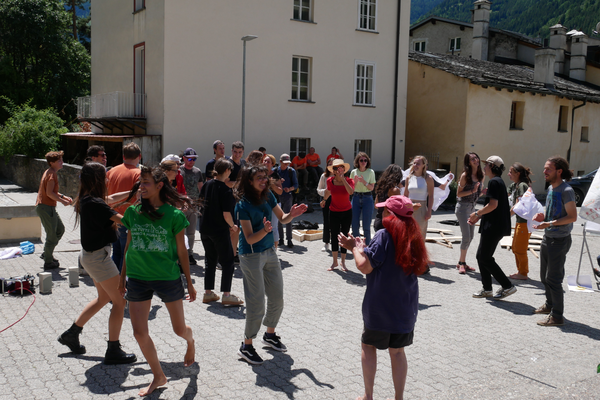
Alpine Changemaker Network
How can we advance eco-social transformation in the Alpine region? The Alpine Changemaker Network project combines Alpine traditions, as reflected in contemporary art, culture and design, with current approaches to overcoming global crises.
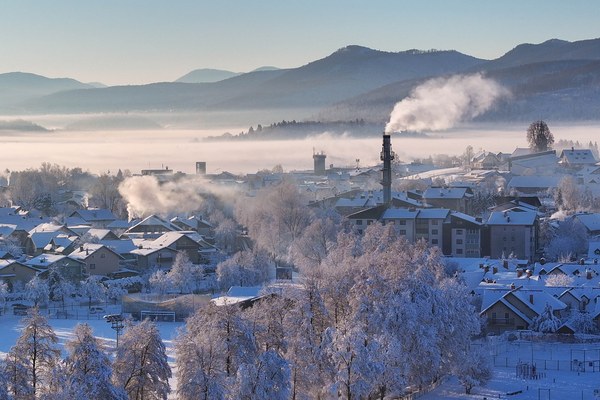
Heating of buildings and air quality 2.0
The project represents a continuation of efforts to reduce air pollution resulting from improper combustion in individual furnaces. Particular attention is paid to the use of outdated wood biomass combustion devices, which contribute significantly to emissions of particles that are harmful to health.