
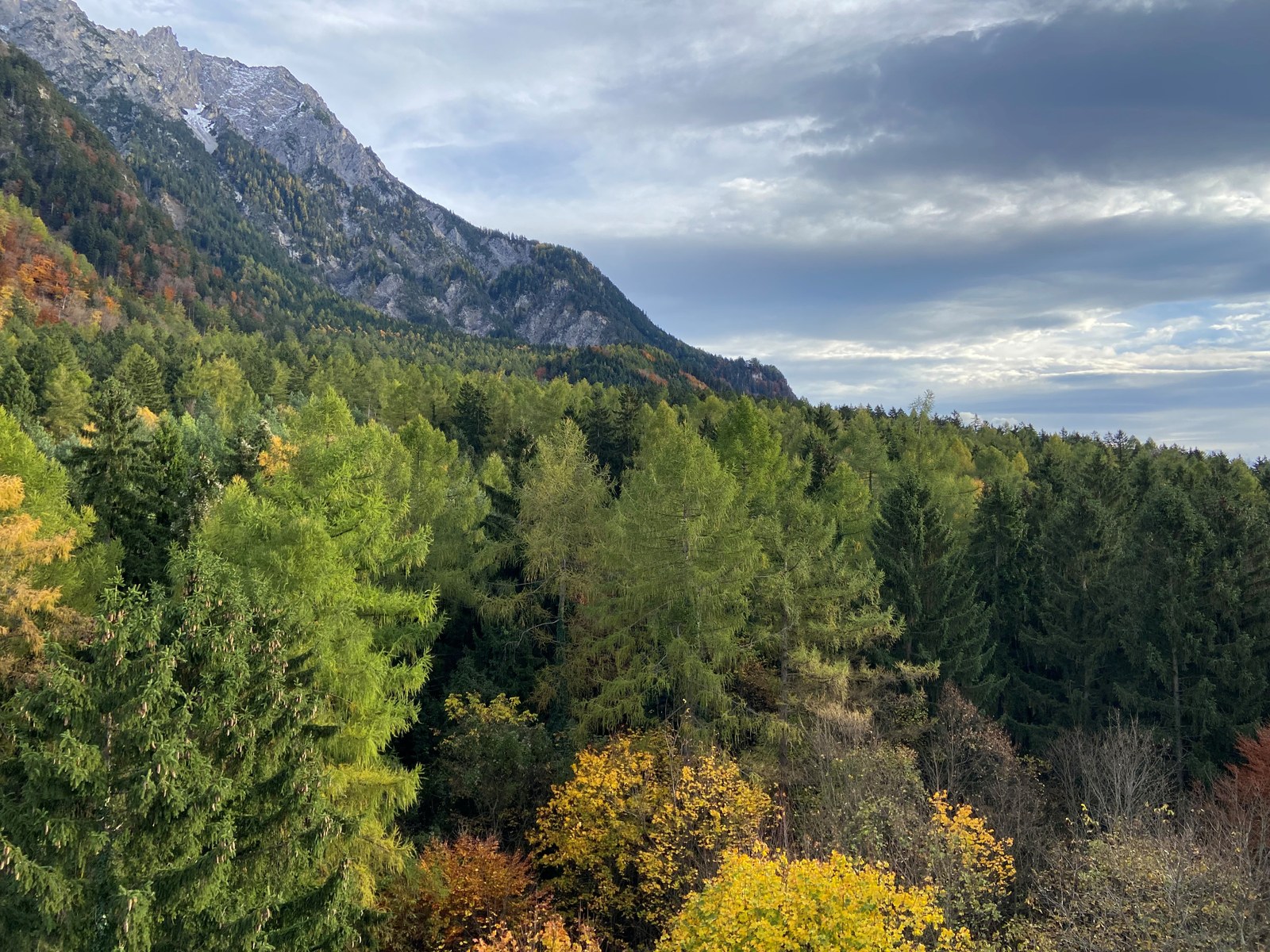
Act now to protect forests: sign the #HandsOffNature petition!
More than 40 percent of the Alpine region is covered by forests. They are not only a defining feature of the landscape, but also a cornerstone of Alpine livelihood, providing building materials, supporting biodiversity, and delivering essential ecosystem services.

Who is CIPRA?
Find out more!
More articles

alpMedia | Schaan, LI
Climate Star 2009
To the motto of a "Short Track to Climate Protection", the Climate Alliance is inviting all European towns, cities and municipalities, for the fourth time, to apply for a Climate Star with an exemplary climate protection project of their own.
alpMedia | Schaan, LI
Climate Action: Energy for a Changing World
In December 2008 the European Commission adopted an integrated energy and climate change policy and defined specific targets for 2020.
alpMedia | Schaan, LI
Alpine glaciers melting the fastest
Data from the World Glacier Monitoring Service for 2007 once again underscores what everyone has feared: the world's glaciers are continuing to melt at an alarming rate.
alpMedia | Schaan, LI
Advanced studies in the field of sustainable tourism
The Swiss Tourism School Siders is offering a new Certificate of Advanced Studies (CAS) in "Heritage and Tourism - The Mountains as a Living, Working and Recreation Environment" in conjunction with the UNESCO World Heritage property of the Swiss Alps Jungfrau-Aletsch-Bietschhorn.
Projects
CIPRA International | CIPRA Deutschland | CIPRA Italia | CIPRA France
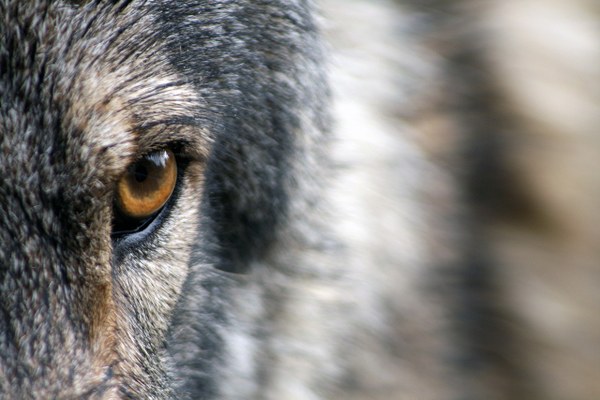
Knowledge transfer on the co-adaptation of humans and wolves in the Alpine region
[Project completed] The return of large carnivores is increasingly causing the fronts to harden between different groups of stakeholders. Among the large carnivores returning to the Alps, the wolf is the most widespread and therefore the most widely debated animal. Wolves are synanthropic animals and cross boundaries - physical as well as intangible ones – regularly. Thus, they have been accompanying and influencing social and cultural processes since time immemorial. In this project, CIPRA has taken on the task to collect, analyse, make available and disseminate knowledge about the co-adaptation of humans and wolves throughout the Alps.