
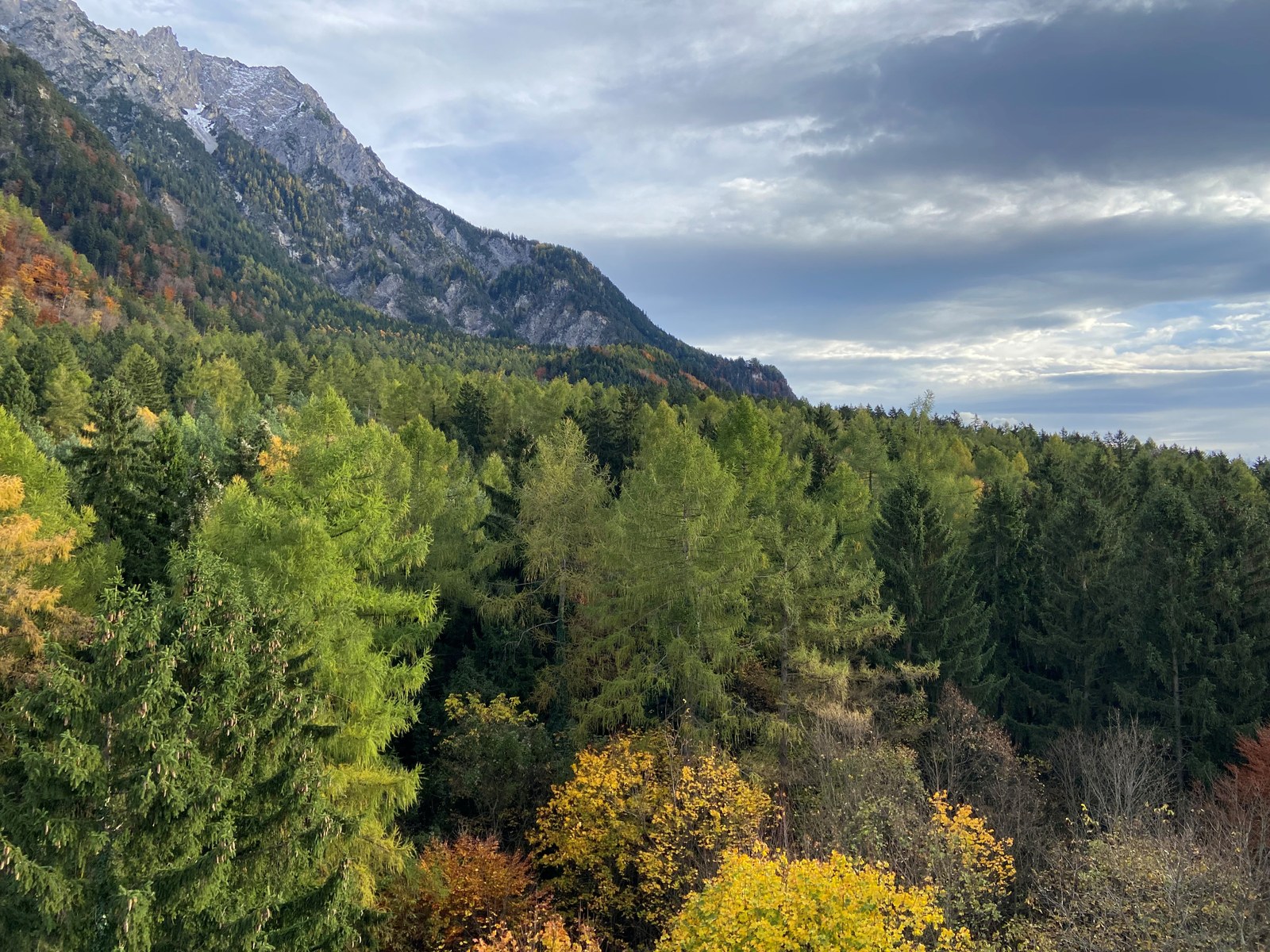
Act now to protect forests: sign the #HandsOffNature petition!
More than 40 percent of the Alpine region is covered by forests. They are not only a defining feature of the landscape, but also a cornerstone of Alpine livelihood, providing building materials, supporting biodiversity, and delivering essential ecosystem services.

Who is CIPRA?
Find out more!
More articles
alpMedia | Schaan, LI
Latest update on ecological networks in the Alpine region
CIPRA has just expanded and updated its online dossier on "Relevant Instruments Relating to Ecological Networks in the Alpine Region".
alpMedia | Schaan, LI
Sylvia Hamberger awarded Bavaria's Nature Conservation Medal
On 12 March 2009 the German environmental organisation Bund Naturschutz awarded Bavaria's Nature Conservation Medal to Sylvia Hamberger in recognition of her exceptional contributions to the protection of the Alpine region.
alpMedia | Schaan, LI
Alps Know-How CD now available for download
The Alps Know-How CD is one of the results of the Future in the Alps know-how transfer project.
alpMedia | Schaan, LI
Browsing the essence of 58 Alpine projects
The Alpine Space Programme Interreg III B ran from 2000 to 2006. During that time 700 partners from 33 regions carried out a total of 58 projects with funds of around €120 million.
Projects

CIPRA International Lab
PlurAlps
[Project completed] The Alpine area is experiencing the combined challenges of an ageing population and new migration models. At the same time, opportunities for social innovation and development arise from increasing cultural diversity and pluralism. Mountainous and peripheral Alpine municipalities and regions are specifically concerned and need technical support and new approaches to develop a welcoming culture, which should be credibly embraced and implemented by municipalities, SMEs and civil society.
CIPRA International
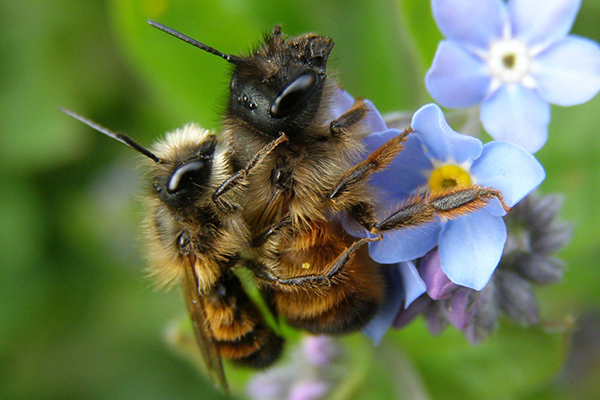
BeeAware!
[Project completed] The aim of the project BeeAware! is to inspire communities in the Alps for bee protection and thus to improve the livelihoods of honey and wild bees. Bees are depending on an intact biodiversity. The different bee species need different plants, nesting and drinking places in order to survive. Integral bee protection therefore means securing, improving and enlarging the habitat of these important pollinators.
CIPRA International
GaYA
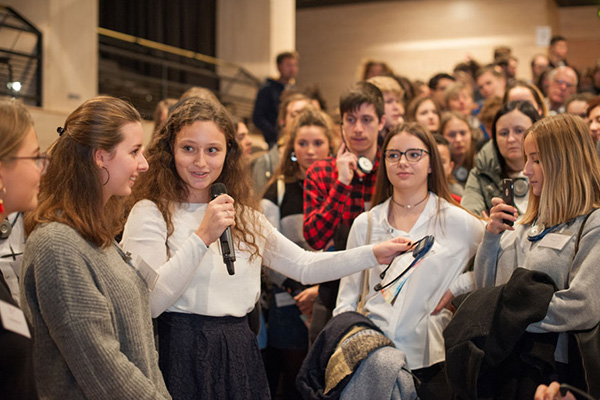
[Project completed] Governance and youth in the Alps - Young people tend to leave the Alpine space because they lack personal and professional fulfilment. Furthermore a majority of decision-makers remain unaware of the benefits a young active population brings to society.