
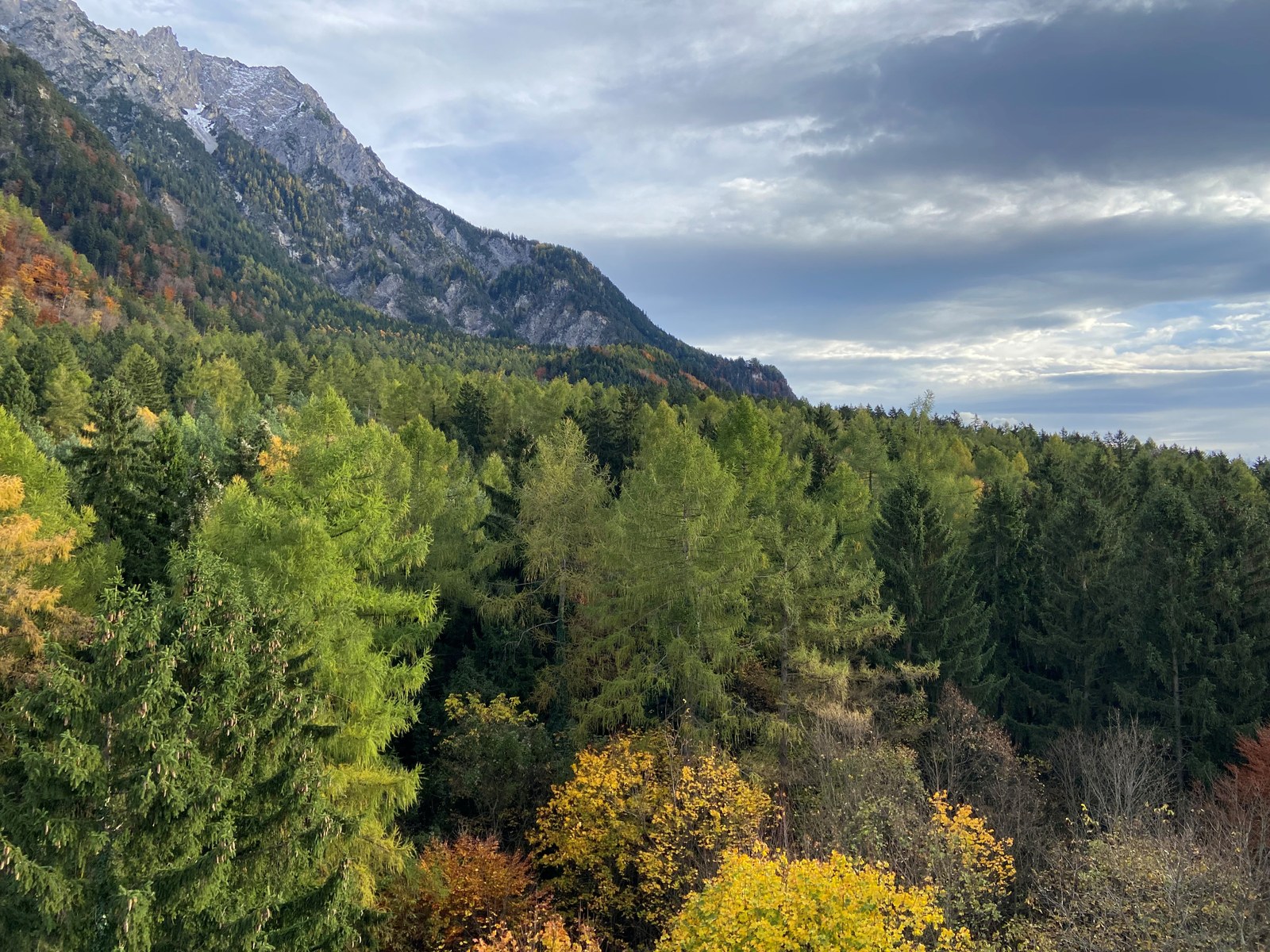
Act now to protect forests: sign the #HandsOffNature petition!
More than 40 percent of the Alpine region is covered by forests. They are not only a defining feature of the landscape, but also a cornerstone of Alpine livelihood, providing building materials, supporting biodiversity, and delivering essential ecosystem services.

Who is CIPRA?
Find out more!
More articles

alpMedia | Schaan, LI
Energy-efficient buildings under discussion
The Director of the Passive House Institute in Darmstadt/Germany, Wolfgang Feist, and the Director of the ClimateHouse Agency in Bolzano/I, Norbert Lantschner, have responded to questions about energy-efficient construction in interviews.
alpMedia | Schaan, LI
Alps insight: Schengen for Flora and Fauna
CIPRA's Alps insight No. 90 (formerly CIPRA Info) "Schengen for Flora and Fauna" is devoted to the topic of biotope networking.
alpMedia | Schaan, LI
Master in Sustainable Mountain Development
The new degree programme "MSc Managing Sustainable Mountain Development" begins at Perth College/UK in August 2009.
alpMedia | Schaan, LI
History of the Alps now also in English
Jon Mathieu's book entitled in German Geschichte der Alpen, 1500-1900: Umwelt, Entwicklung und Gesellschaft is now available in an English translation.
Projects

CIPRA International Lab
PlurAlps
[Project completed] The Alpine area is experiencing the combined challenges of an ageing population and new migration models. At the same time, opportunities for social innovation and development arise from increasing cultural diversity and pluralism. Mountainous and peripheral Alpine municipalities and regions are specifically concerned and need technical support and new approaches to develop a welcoming culture, which should be credibly embraced and implemented by municipalities, SMEs and civil society.
CIPRA International
BeeAware!
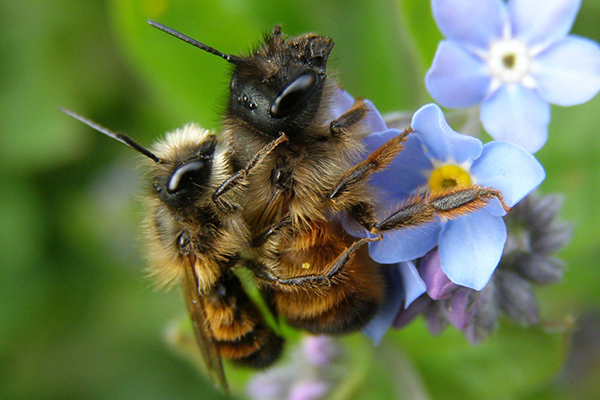
[Project completed] The aim of the project BeeAware! is to inspire communities in the Alps for bee protection and thus to improve the livelihoods of honey and wild bees. Bees are depending on an intact biodiversity. The different bee species need different plants, nesting and drinking places in order to survive. Integral bee protection therefore means securing, improving and enlarging the habitat of these important pollinators.
CIPRA International
GaYA
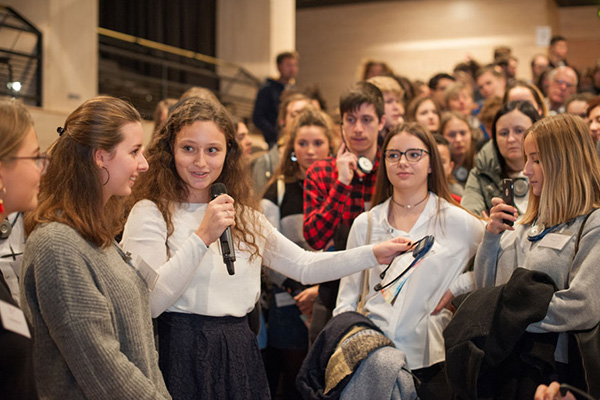
[Project completed] Governance and youth in the Alps - Young people tend to leave the Alpine space because they lack personal and professional fulfilment. Furthermore a majority of decision-makers remain unaware of the benefits a young active population brings to society.