
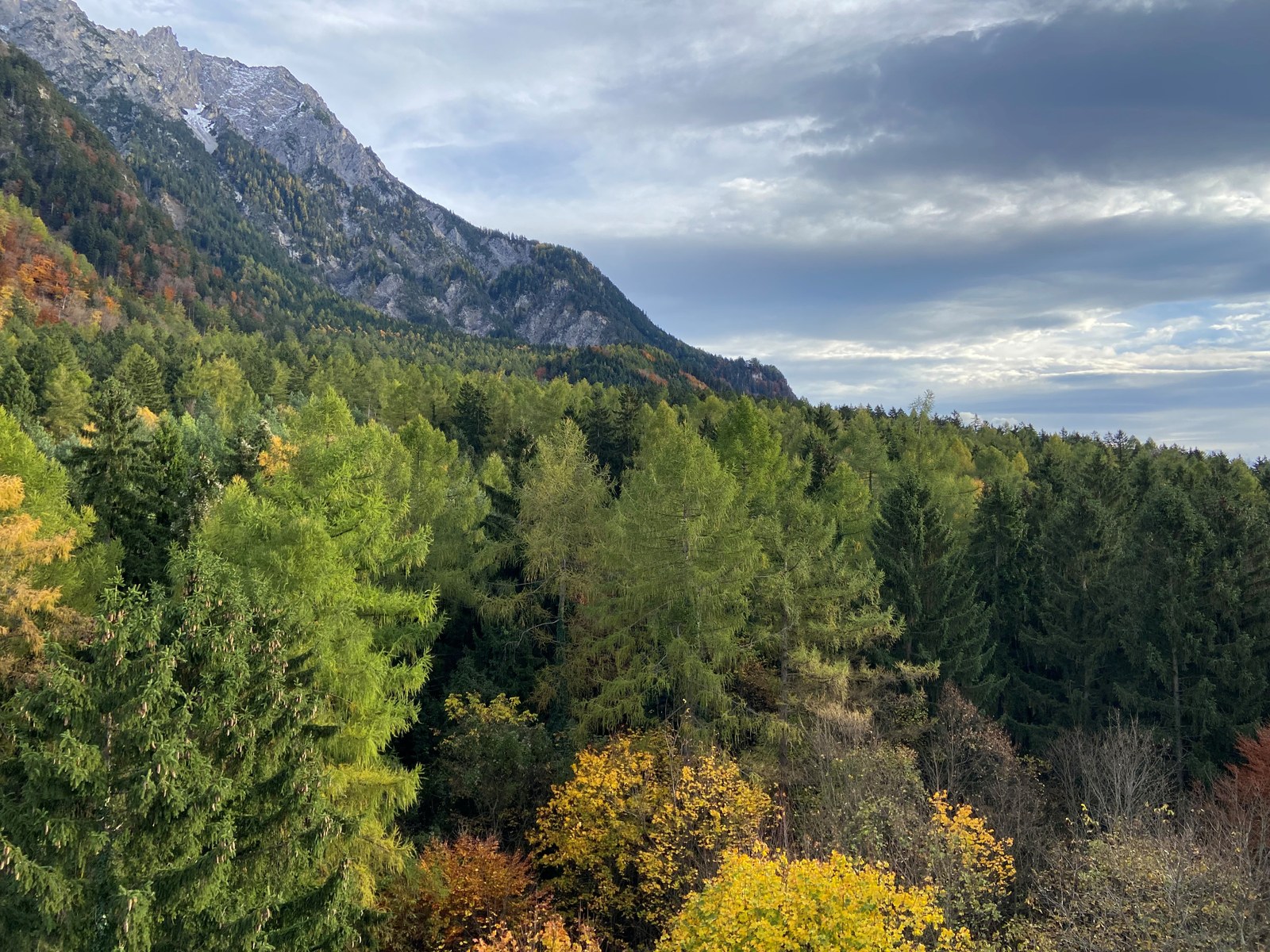
Act now to protect forests: sign the #HandsOffNature petition!
More than 40 percent of the Alpine region is covered by forests. They are not only a defining feature of the landscape, but also a cornerstone of Alpine livelihood, providing building materials, supporting biodiversity, and delivering essential ecosystem services.

Who is CIPRA?
Find out more!
More articles
alpMedia | Schaan, LI
Alpine region carbon-neutral by 2050
At the 10th Alpine Conference in Evian/F in March 2009 a climate action plan was adopted, which set itself the goal of making the Alpine region a model for prevention and adjustment to climate change.
alpMedia | Schaan, LI
First carbon-footprint calculation for a ski school
The carbon footprint of a ski school in France has been measured for the first time.
alpMedia | Schaan, LI
European Agro-Biodiversity Day
The European Agro-biodiversity Day (EAD) will take place on 29th September 2009 under the motto "Arca-Net - the European Ark Network".
alpMedia | Schaan, LI
New documentation on ecological networks in Europe
The KEN Projekt (Knowledge for ecological networks - Catalyzing the involvement of stakeholders in the implementation of ecological networks in Europe), carried out by six project partners, came to an end.
Projects

CIPRA International Lab
Central Mountains
The Central Mountains project strengthens the transfer of knowledge in and between the Alps and the Carpathians. Together with the project partners, CIPRA International Lab is working for the cross-border and sustainable development of mountain regions in Central Europe.
CIPRA International
StoneRich
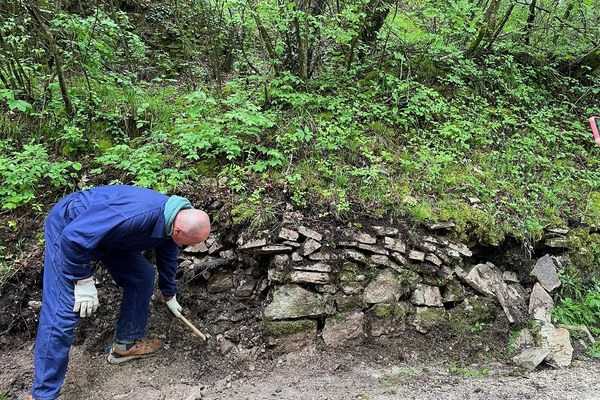
[Project completed] Stones create life: the SteinReich project aims to raise awareness of valuable elements of the Alpine cultural landscape, such as rock fragment piles and dry stone walls.
CIPRA Slovenija | CIPRA International
Alpine Compass: Youth for quality of life in the Alps
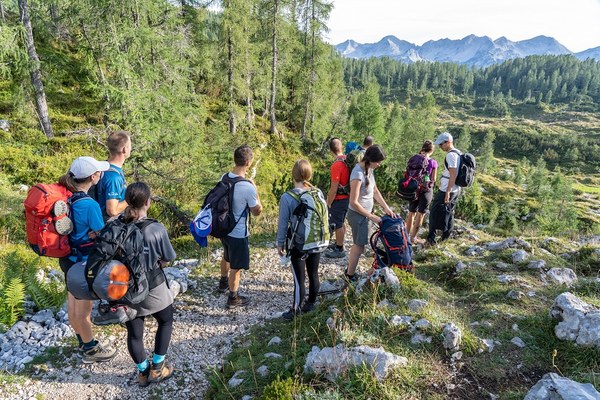
[Project completed] How to improve the life quality of young people in the Alps? The project “Alpine Compass” empowers young people, raises awareness among decisionmakers and strengthen the transnational collaboration.