
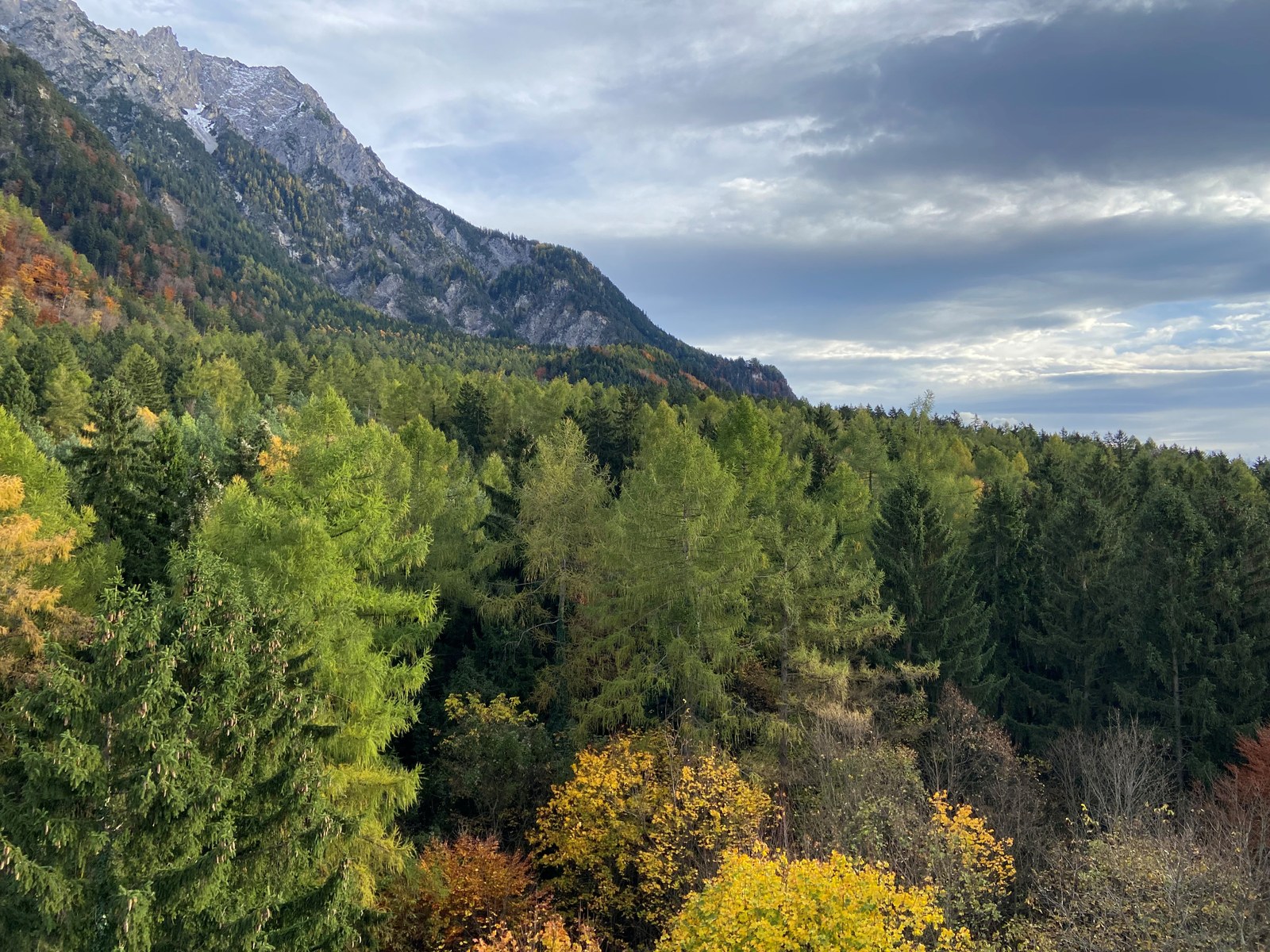
Act now to protect forests: sign the #HandsOffNature petition!
More than 40 percent of the Alpine region is covered by forests. They are not only a defining feature of the landscape, but also a cornerstone of Alpine livelihood, providing building materials, supporting biodiversity, and delivering essential ecosystem services.

Who is CIPRA?
Find out more!
More articles
alpMedia | Schaan, LI
Special edition of the Mountain Forum Bulletin now online
The July edition of the Mountain Forum Bulletin, entitled "Mountain Biodiversity: Lifeline for the Future", is now available for download at www.mtnforum.org/rsmfnews.cfm?newsid=52 (en).
alpMedia | Schaan, LI
350 newly discovered species in the Himalayas
A flying frog and the world's smallest deer are among the species discovered in the Himalayas in the last ten years. According to a report recently published by the World Wide Fund for Nature (WWF), between 1998 and 2008, a total of 353 new species were identified.
cc.alps | Schaan, LI
cc.alps concentrates on raising awareness during the second half of 2009!
The Swiss MAVA Foundation for Nature is making further funding available to the CIPRA cc.alps Project in the second half of 2009.

cc.alps | Schaan, LI
A cool head in conversation: Norbert Lantschner, Director of the ClimateHouse Agency in Bolzano/I "The cleanest energy is the energy I don't need"
The ClimateHouse Agency in Bolzano has won one of the seven prizes of the CIPRA's cc.alps Competition for its energy saving initiatives. We spoke to its Director, Norbert Lantschner at our "Cool Heads in the Hothouse" conference.
Projects
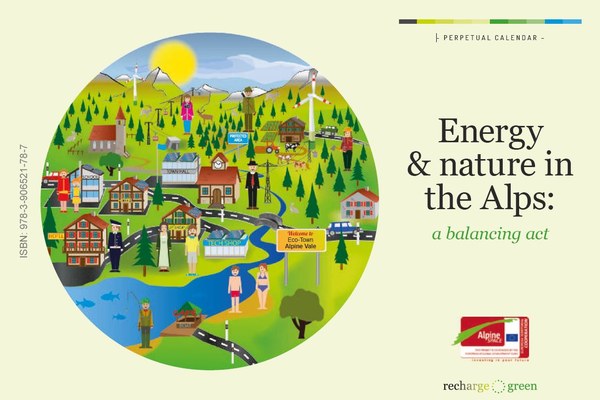
CIPRA International | CIPRA Deutschland | CIPRA Italia | CIPRA France
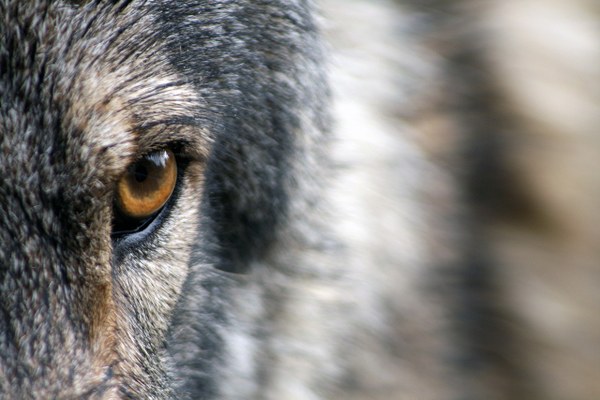
Knowledge transfer on the co-adaptation of humans and wolves in the Alpine region
[Project completed] The return of large carnivores is increasingly causing the fronts to harden between different groups of stakeholders. Among the large carnivores returning to the Alps, the wolf is the most widespread and therefore the most widely debated animal. Wolves are synanthropic animals and cross boundaries - physical as well as intangible ones – regularly. Thus, they have been accompanying and influencing social and cultural processes since time immemorial. In this project, CIPRA has taken on the task to collect, analyse, make available and disseminate knowledge about the co-adaptation of humans and wolves throughout the Alps.