
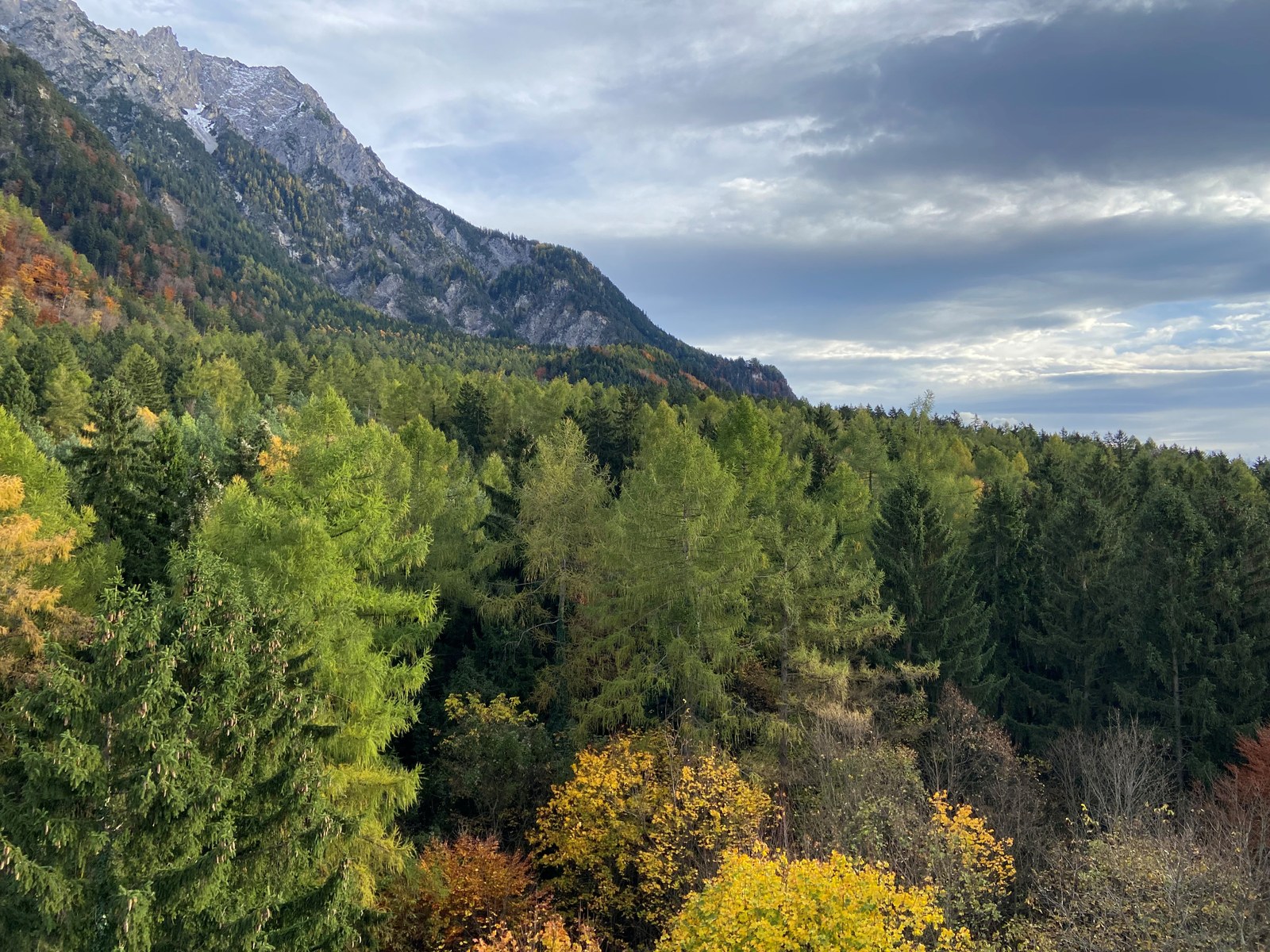
Act now to protect forests: sign the #HandsOffNature petition!
More than 40 percent of the Alpine region is covered by forests. They are not only a defining feature of the landscape, but also a cornerstone of Alpine livelihood, providing building materials, supporting biodiversity, and delivering essential ecosystem services.

Who is CIPRA?
Find out more!
More articles
alpMedia | Schaan, LI
Toxic glacier melts
A new study has confirmed that melting glaciers release chemical substances that have long been banned and are not longer produced by industry. Researchers from Swiss education institutes took frozen sediment core samples from the Oberaar reservoir in the Grimsel area in Switzerland and used the layers to reconstruct the history of the lake back to when it was first established in 1953.
alpMedia | Schaan, LI
Alpine Convention acts as a guide for the Dinaric Alps
CIPRA Slovenia has successfully completed its project entitled "Knowledge transfer in the area of sustainable development from the Alpine Convention to the municipality of Mojkovac in Montenegro". The project provides a good starting point for the comprehensive promotion of nature conservation and sustainable development in the Dinaric mountain range.
alpMedia | Schaan, LI
The 2009 Climate Winners
The winning municipalities of the 2009 Climate Star were presented with their awards in Melk in Lower Austria on October 22, under the motto of "Fast Track to Climate Protection". The proud winners from the Alpine region were the local authorities of Lustenau in Austria and Sand in Taufers in South Tyrol/I. The record participation of 444 municipalities from eleven European countries, with a very strong showing by local authorities in the Alps, highlights the importance now attached to climate protection.
CIPRA International
Calm and collected in a heated discussion: Ivan Hribar, director of Snovik thermal spa/SL
The Thermal Center Snovik was the winner of one of the seven prizes in CIPRA’s cc.alps competition for its activities . We met the director Ivan Hribar.
Projects
CIPRA International
Living Labs
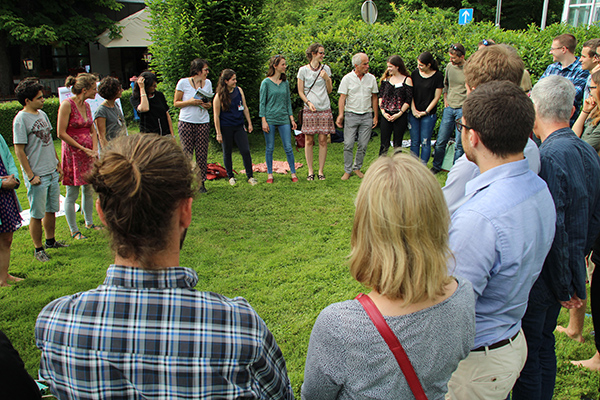
[Project completed] The project “Living Labs” brought together people of different ages from different Alpine countries to work together on process and know-how on selected topics. The project approach was participative and based on the principles of co-creation between young talents aged 18-30 years, environmental NGOs, civil society and politicians. The participants of this intergenerational project are committed to the sustainable development of the Alps at local, national and international level. For a desirable future it is important to set the right course today and to talk about how existing natural resources can be used sustainably.
CIPRA International | CIPRA Deutschland | CIPRA France | CIPRA Italia | CIPRA Slovenija
Sustainable Alpine Tourism
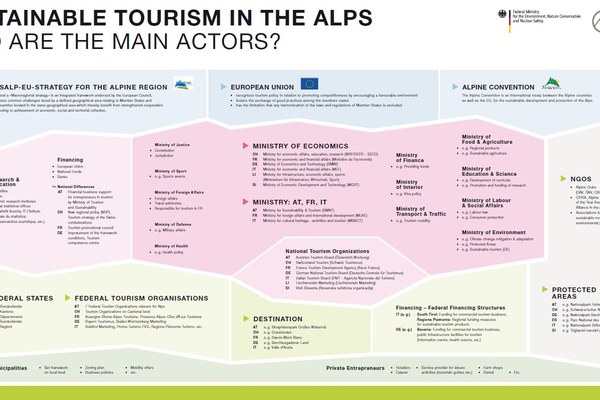
[Project completed] Sustainable tourism in the Alps is the only long-term alternative to conventional mass tourism in order to safeguard the habitat for nature and people. So far, however, there is a lack of jointly defined framework conditions on anational or alpine level for planning, promoting and implementing sustainable tourism.
CIPRA International
Cross-border mobility
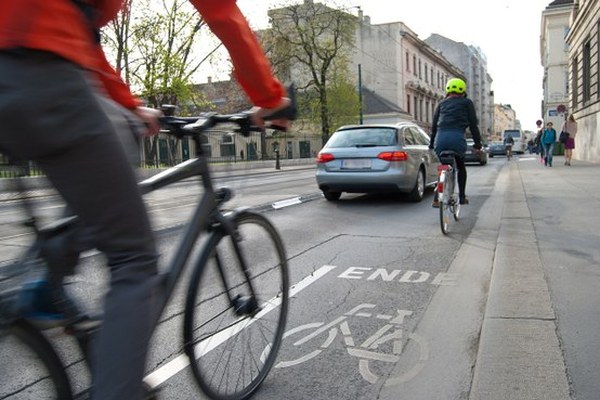
[Project completed] Tens of thousands of commuters move across national borders every day in the Alpine region. Existing traffic routes, however, were mostly built with a purely national perspective and are not geared to cross-border commuter flows. The result is overloaded roads, noise and pollution for local residents.