
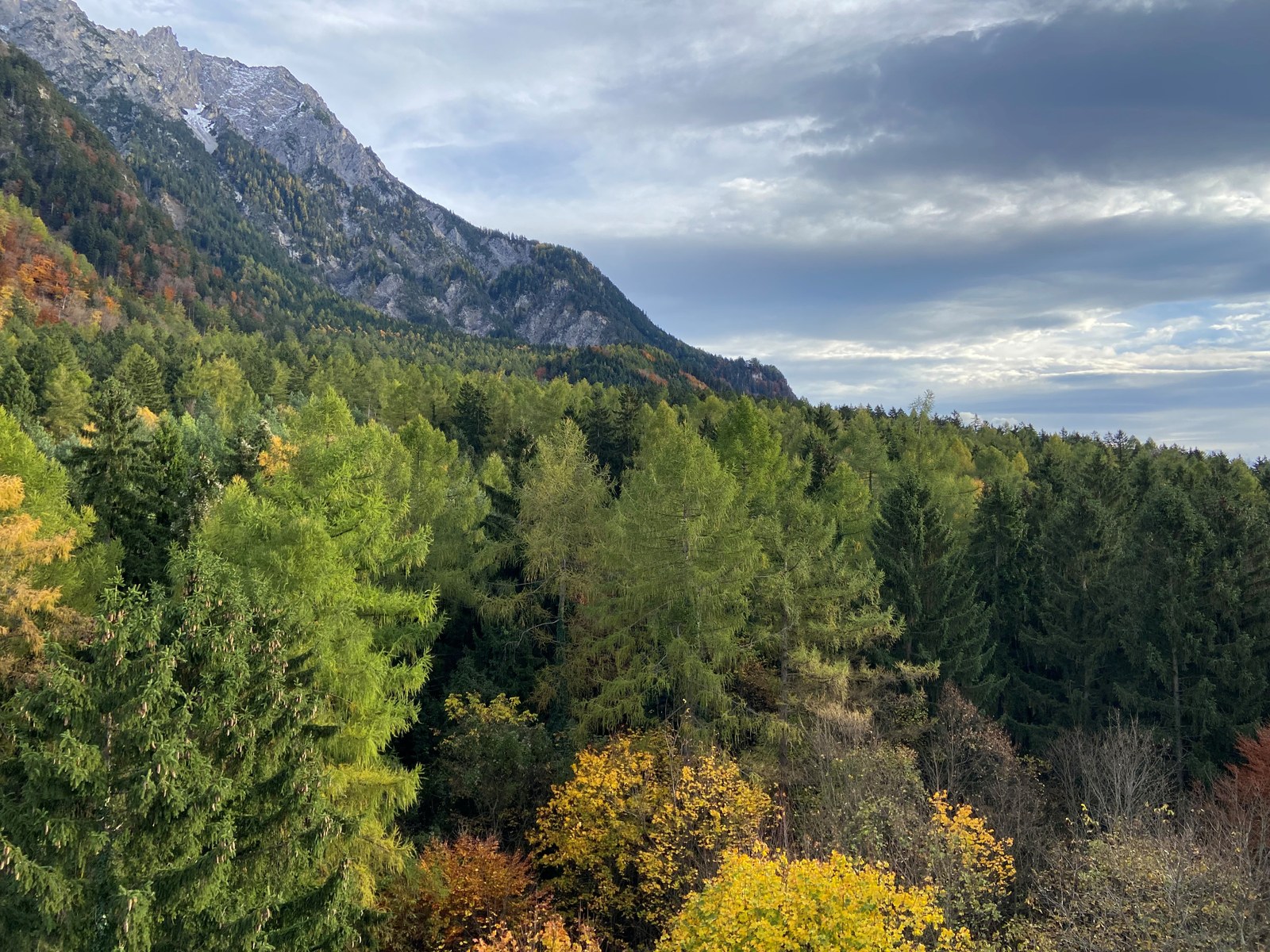
Act now to protect forests: sign the #HandsOffNature petition!
More than 40 percent of the Alpine region is covered by forests. They are not only a defining feature of the landscape, but also a cornerstone of Alpine livelihood, providing building materials, supporting biodiversity, and delivering essential ecosystem services.

Who is CIPRA?
Find out more!
More articles
Sophie V. Mahlknecht, CIPRA International
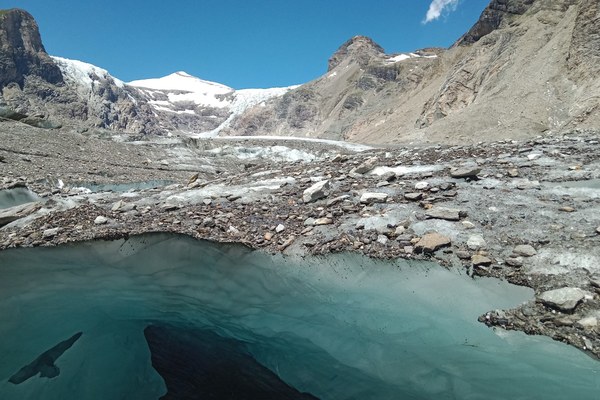
The final glacier melt
Glaciers have been suffering from the consequences of climate change for years, but the latest figures from the Alpine countries are nevertheless alarming: measurements from 2022-23 show that the glaciers in the Alps shrank by more than ever before. A researcher from the Austrian Alpine Association describes the situation as “miserable as hell”.

Veronika Hribernik, CIPRA International
Excessive consumption of resources
The Alpine countries are living at the expense of future generations: if everyone lived like those living in the Alpine region, the available resources for this year would be used up by May 2024.

Anna Mehrmann, CIPRA International
Toxic chemicals - even in ski resorts
Anoraks, climbing ropes, ski wax: many outdoor products contain persistent chemicals (PFAS). A recent study shows their worldwide distribution, with ski resorts in the Alps particularly affected.
Francesco Pastorelli, CIPRA Italy
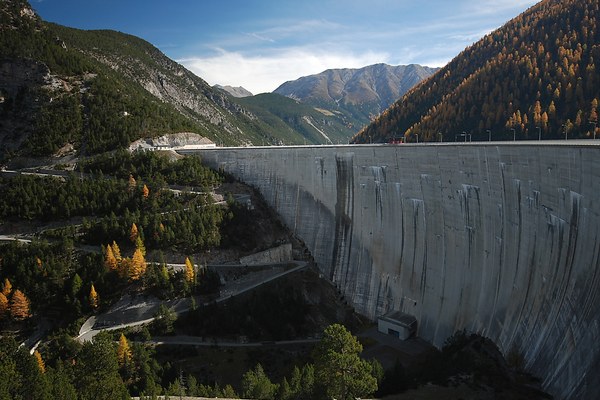
New Alpine reservoirs to combat water shortages
Frequent droughts, thirsty agriculture: Italy is discussing the construction of additional reservoirs to supply drinking water and energy. More ecologically sound solutions are in danger of falling by the wayside.
Events
|
Youth Parliament to the Alpine Convention: Climate Resilient Development | ||
|
The Better-Cities Event | Ljubljana | |
|
Local Peaks, Global Learning | online | |
|
Transhumance as Intangible Cultural Heritage of Humanity: A Way Forward? | MUCEM, Marseille/France | |
|
Growing alternative crops for new market opportunities in a changing climate | Vienna/Austria |
Projects
CIPRA International | CIPRA Deutschland | CIPRA Italia | CIPRA France
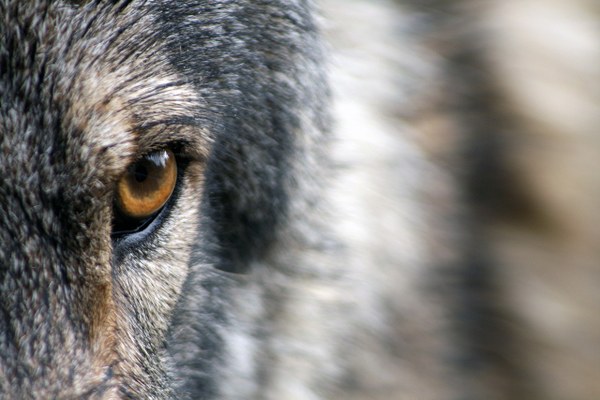
Knowledge transfer on the co-adaptation of humans and wolves in the Alpine region
[Project completed] The return of large carnivores is increasingly causing the fronts to harden between different groups of stakeholders. Among the large carnivores returning to the Alps, the wolf is the most widespread and therefore the most widely debated animal. Wolves are synanthropic animals and cross boundaries - physical as well as intangible ones – regularly. Thus, they have been accompanying and influencing social and cultural processes since time immemorial. In this project, CIPRA has taken on the task to collect, analyse, make available and disseminate knowledge about the co-adaptation of humans and wolves throughout the Alps.