
Act now to protect forests: sign the #HandsOffNature petition!
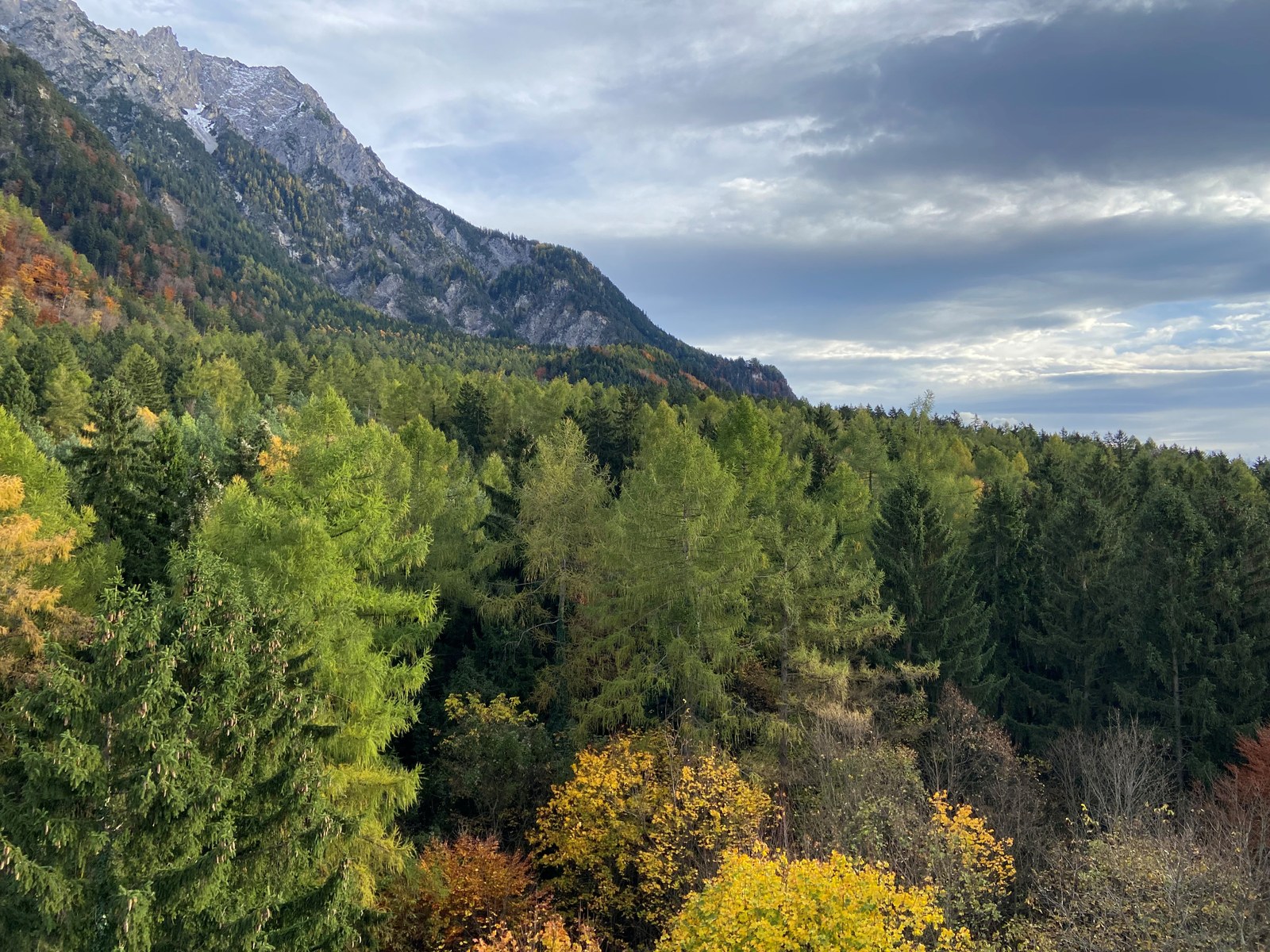
More than 40 percent of the Alpine region is covered by forests. They are not only a defining feature of the landscape, but also a cornerstone of Alpine livelihood, providing building materials, supporting biodiversity, and delivering essential ecosystem services.

Who is CIPRA?
Find out more!
More articles
cc.alps | Schaan, LI
New content for www.cipra.org/cc.alps
The cc.alps website now offers additional in-depth content in the form of Compacts. Regular updates and additions are planned. For each topic, CIPRA has drawn up a list of demands, which can be downloaded separately from its website at www.cipra.org/de/cc.alps/ergebnisse (de/fr/it/sl).
cc.alps | Schaan, LI
cc.alps to continue in 2010
The cc.alps project continues in 2010 with a focus on more in-depth research and dissemination of the knowledge generated, above all by promoting specific projects at the municipal level, and also by organising and participating in international events.
alpMedia | Schaan, LI
New builds to meet tough climate requirements by 2020
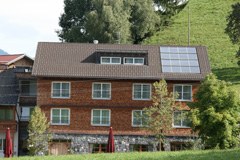
From 2020 new builds in the EU will have to comply with tough energy balance requirements. Last week representatives of the European Parliament and EU states agreed that new builds should in future have virtually zero greenhouse gas emissions. Any remaining energy requirements should also be met essentially from renewable sources. These stipulations are to come into force two years earlier for public buildings.
alpMedia | Schaan, LI
Extremes of climate affect spread of tree species
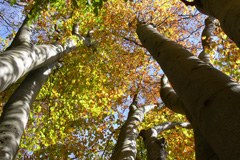
In a recently published study scientists at the WSL (the Swiss Federal Institute for Forest, Snow and Landscape) working with an international research team demonstrated for the first time that the disappearance of tree species in certain regions is due not just to the higher mean temperature but also to extremes of climate-related events.
Projects
CIPRA International
Living Labs
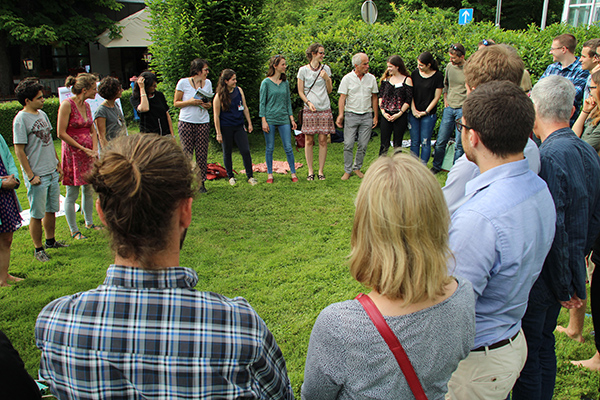
[Project completed] The project “Living Labs” brought together people of different ages from different Alpine countries to work together on process and know-how on selected topics. The project approach was participative and based on the principles of co-creation between young talents aged 18-30 years, environmental NGOs, civil society and politicians. The participants of this intergenerational project are committed to the sustainable development of the Alps at local, national and international level. For a desirable future it is important to set the right course today and to talk about how existing natural resources can be used sustainably.
CIPRA International | CIPRA Deutschland | CIPRA France | CIPRA Italia | CIPRA Slovenija
Sustainable Alpine Tourism
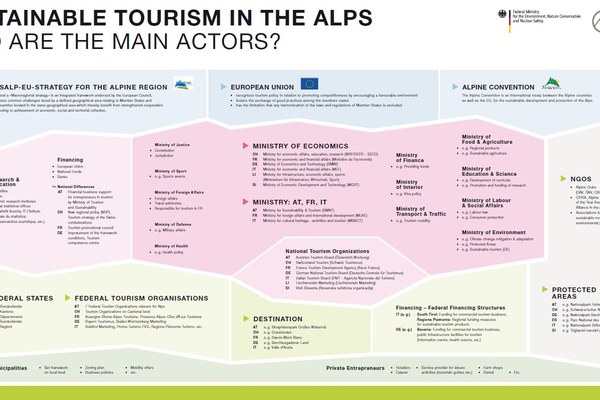
[Project completed] Sustainable tourism in the Alps is the only long-term alternative to conventional mass tourism in order to safeguard the habitat for nature and people. So far, however, there is a lack of jointly defined framework conditions on anational or alpine level for planning, promoting and implementing sustainable tourism.
CIPRA International
Cross-border mobility
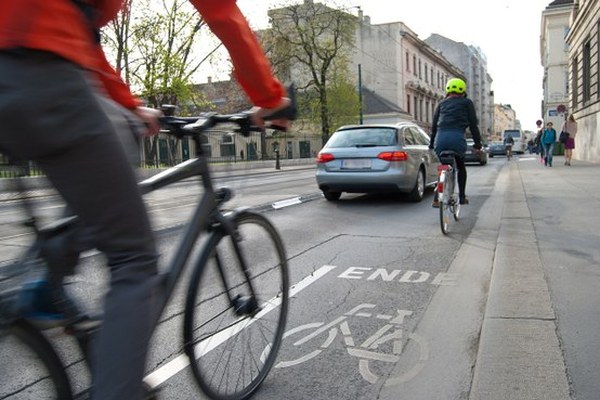
[Project completed] Tens of thousands of commuters move across national borders every day in the Alpine region. Existing traffic routes, however, were mostly built with a purely national perspective and are not geared to cross-border commuter flows. The result is overloaded roads, noise and pollution for local residents.