
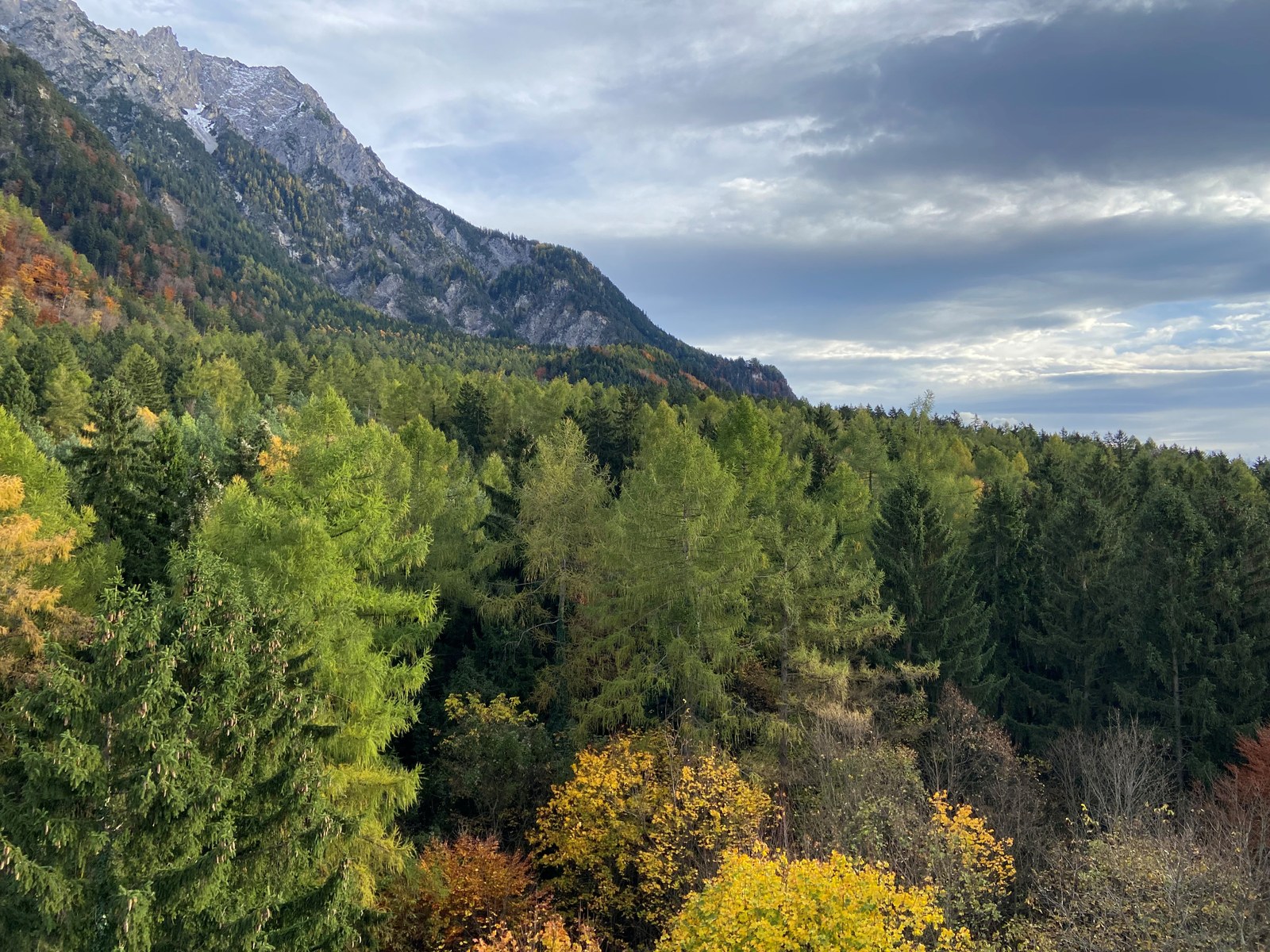
Act now to protect forests: sign the #HandsOffNature petition!
More than 40 percent of the Alpine region is covered by forests. They are not only a defining feature of the landscape, but also a cornerstone of Alpine livelihood, providing building materials, supporting biodiversity, and delivering essential ecosystem services.

Who is CIPRA?
Find out more!
More articles
International workshop on connectivity methods
More than 80 experts from all over Europe followed the invitation by the ECONNECT project to share and compare their individual experiences of fieldwork and innovative research methods regarding ecological connectivity in Grenoble, France, from the 4th to 6th of October 2009.
ECONNECT Project – Working full speed for implementing ecological networks
The ECONNECT project has completed half time of its project life. In the pilot regions the teams are highly committed with preparing the implementation of ecological networks on the ground.
Fourth meeting of the Platform
The Ecological Network Platform of the Alpine Convention held its fourth meeting on 1st December 2009 in Chamonix, France. The French Presidency presented the Platform work programme for the next two years.
Updated brochure and new eye-catcher posters on ecological networks in the Alps
Just in time for the International Year of Biodiversity, the Ecological Continuum Initiative has printed an updated version of the brochure on Ecological Networks in the Alps. With a new design, the brochure "Restoring the web of life - Ecological networks for more biodiversity in the Alps" illustrates the ecological connectivity topic and makes it understandable to a wide public.
Projects
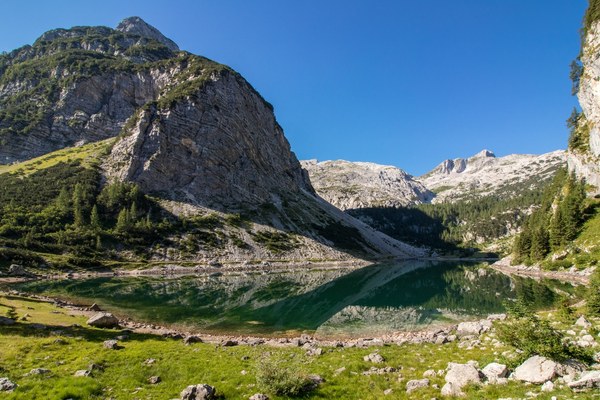
Responsible management of mountain water resources
Mountain regions constitute a unique yet fragile natural environment that provides habitat for numerous rare and endemic species. Their biodiversity is rich, yet highly vulnerable. These areas host a variety of aquatic ecosystems—rivers, streams, lakes, wetlands and peat bogs — which have very limited self-purification capacity and are extremely sensitive to change. Their condition is directly affected by climate change and human activities.
CIPRA International
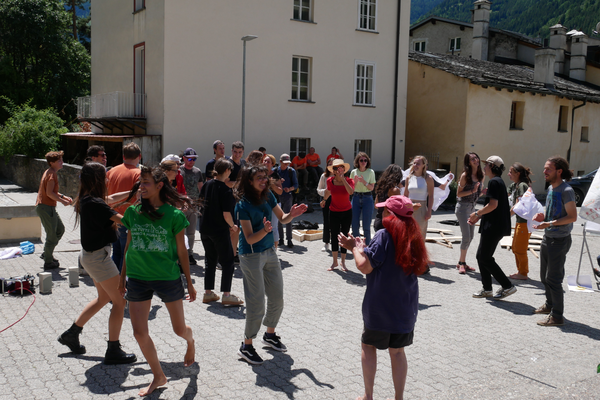
Alpine Changemaker Network
How can we advance eco-social transformation in the Alpine region? The Alpine Changemaker Network project combines Alpine traditions, as reflected in contemporary art, culture and design, with current approaches to overcoming global crises.
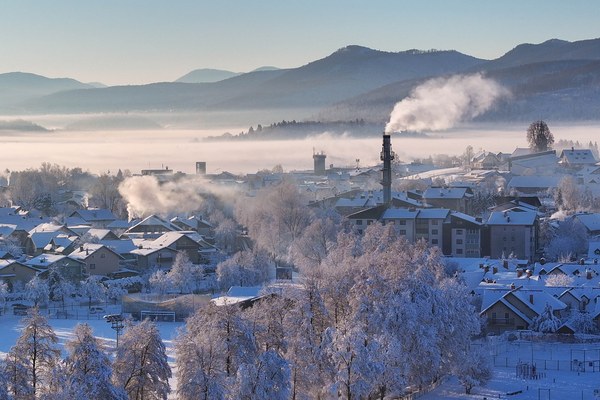
Heating of buildings and air quality 2.0
The project represents a continuation of efforts to reduce air pollution resulting from improper combustion in individual furnaces. Particular attention is paid to the use of outdated wood biomass combustion devices, which contribute significantly to emissions of particles that are harmful to health.