
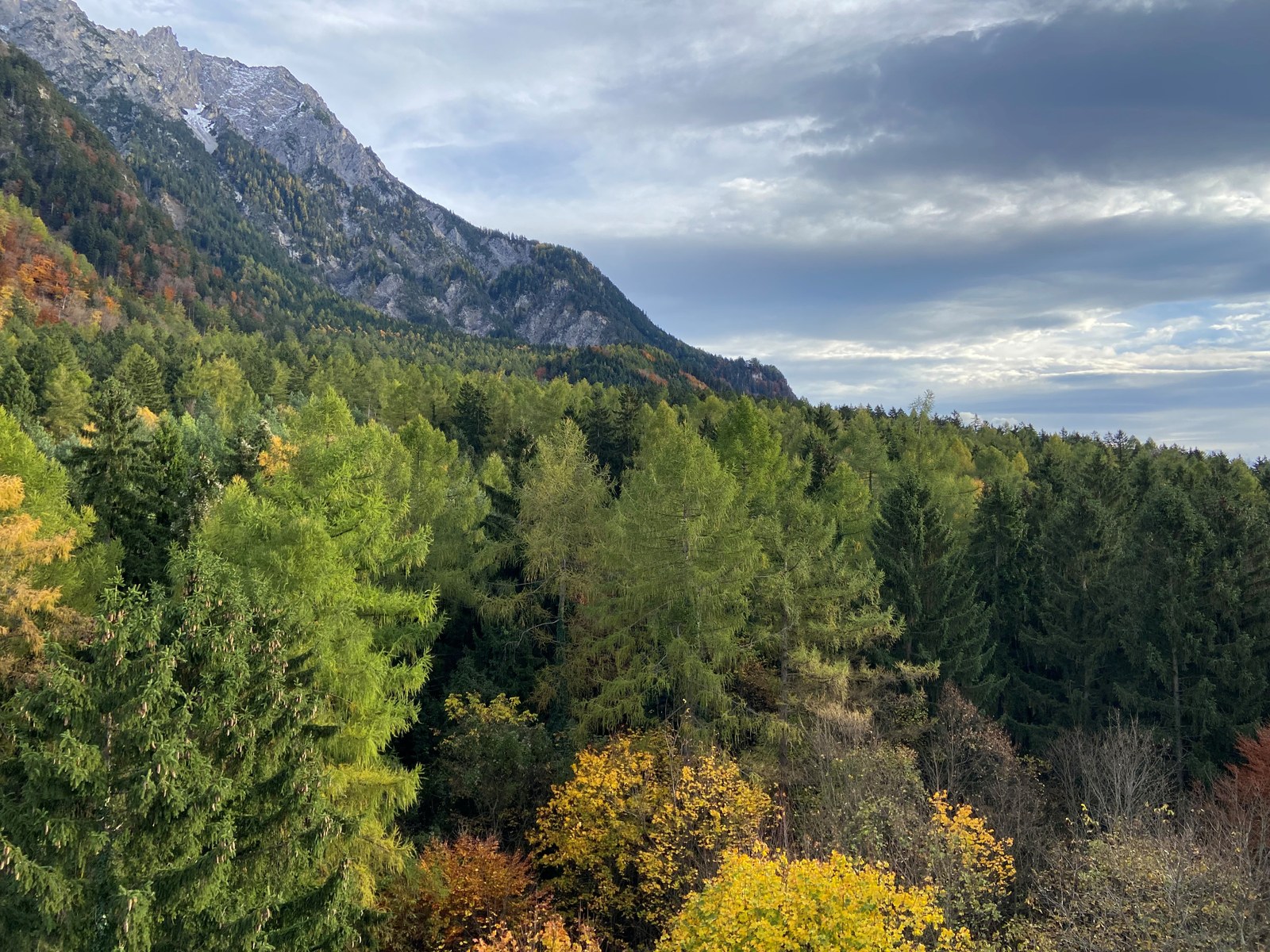
Act now to protect forests: sign the #HandsOffNature petition!
More than 40 percent of the Alpine region is covered by forests. They are not only a defining feature of the landscape, but also a cornerstone of Alpine livelihood, providing building materials, supporting biodiversity, and delivering essential ecosystem services.

Who is CIPRA?
Find out more!
More articles
alpMedia | Schaan, LI
The true value of our mountains
The European Environmental Agency (EEA) has just published a new report titled Europe's ecological backbone: recognising the true value of our mountains. The report provides a comprehensive analysis of population numbers, ecosystems, water cycles, land use, and policies in mountain regions. The report focuses its attention on forces and interactions between the various issues and their impact on Europe's mountain areas.
CIPRA Internationale Alpenschutzkommission | Schaan, LI
Experiences from the Carpathians: a manual on creation of ecological corridors
Based on a pilot project of realizing trans-boundary ecological connectivity in the Ukrainian Carpathians a manual on stakeholder involvement and landscape-ecological modeling to connect protected areas has recently been published.
First atlas of biodiversity risk in Europe
The new "Atlas of Biodiversity Risk" is the first of its kind to describe and summarise in a comprehensive, easy-to-read and richly illustrated form the major pressures, impacts and risks of biodiversity loss on a European and global level.
55 questions on alpine ecological connectivity
A joint research project of Econnect, the Platform Ecological Network under the Alpine Convention and the Ecological Continuum Initiative aims to identify "The 55 most urgent questions concerning ecological networks in the Alps" by bringing together all "alpine actors" such as national administrations, protected areas, researchers, stakeholders and various NGOs.
Projects
CIPRA International | CIPRA Deutschland | CIPRA Italia | CIPRA France
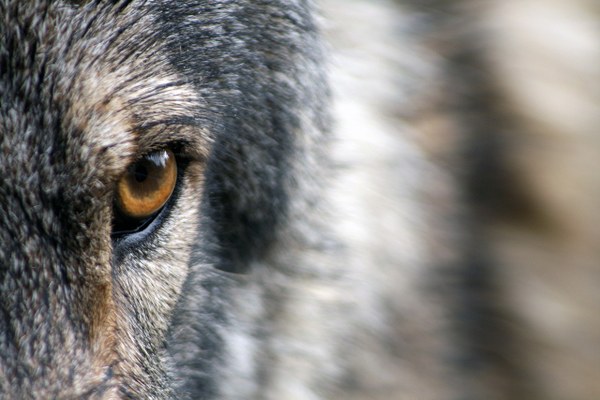
Knowledge transfer on the co-adaptation of humans and wolves in the Alpine region
[Project completed] The return of large carnivores is increasingly causing the fronts to harden between different groups of stakeholders. Among the large carnivores returning to the Alps, the wolf is the most widespread and therefore the most widely debated animal. Wolves are synanthropic animals and cross boundaries - physical as well as intangible ones – regularly. Thus, they have been accompanying and influencing social and cultural processes since time immemorial. In this project, CIPRA has taken on the task to collect, analyse, make available and disseminate knowledge about the co-adaptation of humans and wolves throughout the Alps.