
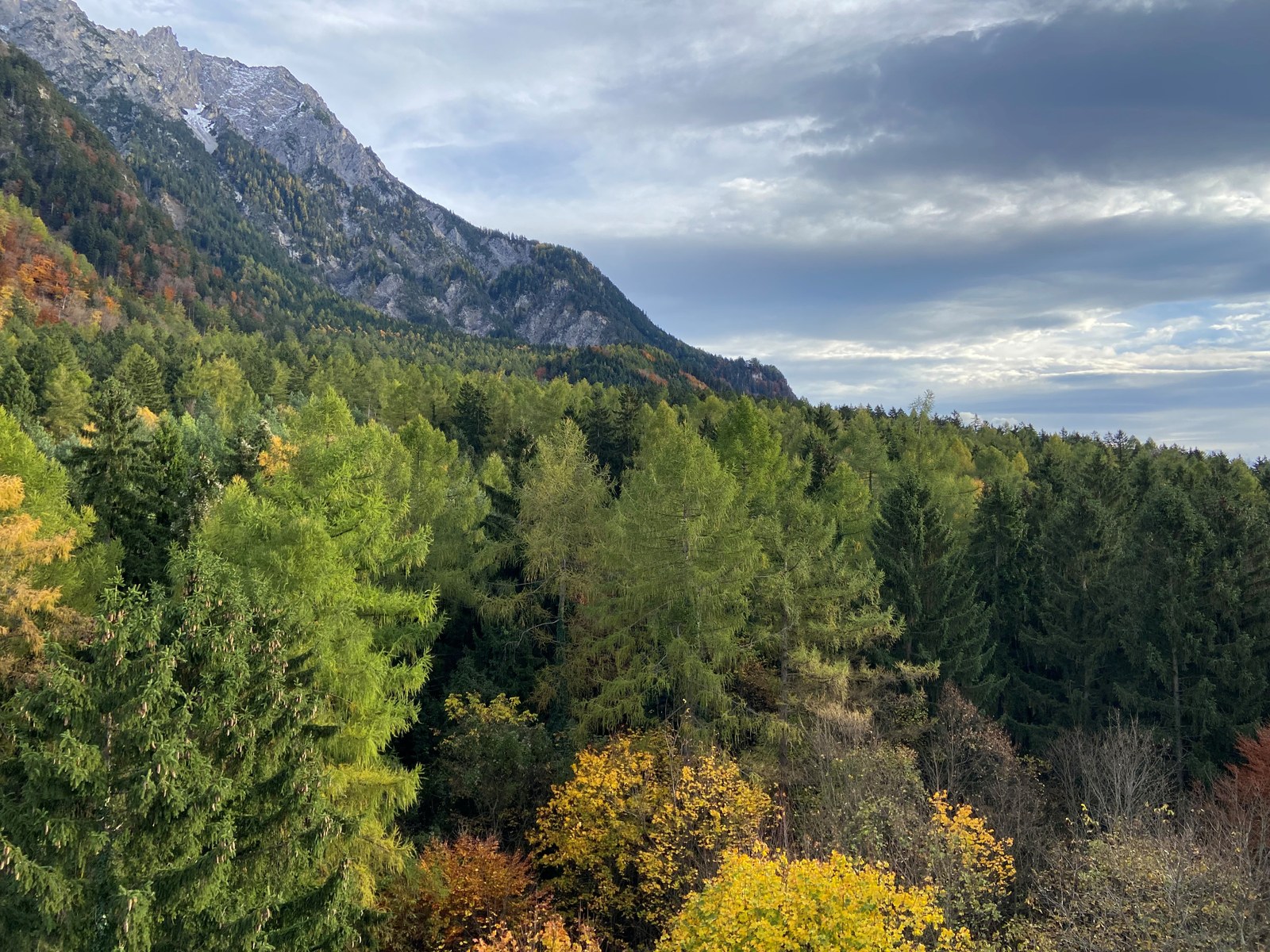
Act now to protect forests: sign the #HandsOffNature petition!
More than 40 percent of the Alpine region is covered by forests. They are not only a defining feature of the landscape, but also a cornerstone of Alpine livelihood, providing building materials, supporting biodiversity, and delivering essential ecosystem services.

Who is CIPRA?
Find out more!
More articles
alpMedia | Schaan, LI
The true value of our mountains
The European Environmental Agency (EEA) has just published a new report titled Europe's ecological backbone: recognising the true value of our mountains. The report provides a comprehensive analysis of population numbers, ecosystems, water cycles, land use, and policies in mountain regions. The report focuses its attention on forces and interactions between the various issues and their impact on Europe's mountain areas.
CIPRA Internationale Alpenschutzkommission | Schaan, LI
Experiences from the Carpathians: a manual on creation of ecological corridors
Based on a pilot project of realizing trans-boundary ecological connectivity in the Ukrainian Carpathians a manual on stakeholder involvement and landscape-ecological modeling to connect protected areas has recently been published.
First atlas of biodiversity risk in Europe
The new "Atlas of Biodiversity Risk" is the first of its kind to describe and summarise in a comprehensive, easy-to-read and richly illustrated form the major pressures, impacts and risks of biodiversity loss on a European and global level.
55 questions on alpine ecological connectivity
A joint research project of Econnect, the Platform Ecological Network under the Alpine Convention and the Ecological Continuum Initiative aims to identify "The 55 most urgent questions concerning ecological networks in the Alps" by bringing together all "alpine actors" such as national administrations, protected areas, researchers, stakeholders and various NGOs.
Projects
CIPRA International
AlpInnoCT
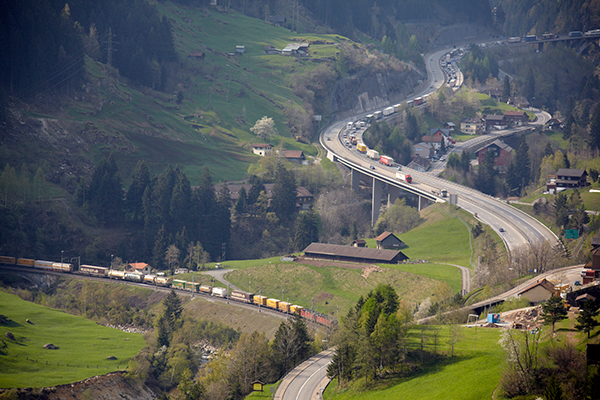
[Project completed] The Alps are a sensitive ecosystem that has to be protected from pollutant emissions and climate change. The alpine road freight transport has enormous ecological and sociocultural effects on the alpine habitat. Most actors such as forwarders, port operators, administrations and consumers, are aware of these negative effects and they are working on their own technical or regulatory solutions. However, a constructive and participatory dialogue between all involved actors, in order to promote sustainable freight transport within the Alps, has not been established so far.
CIPRA International
AlpES
[Project completed] Ecosystems and their services go beyond national borders and need a transnational approach for their dynamic protection, sustainable use, management and risk prevention. As a basis for joint action, public authorities, policy makers, NGOs, researchers and economic actors – the AlpES target groups – need a common understanding of ecosystem services, comparable information on their status and support in using appropriate tools for integrating them in their fields of work.
CIPRA International
SPARE – Alpine rivers as society’s lifelines
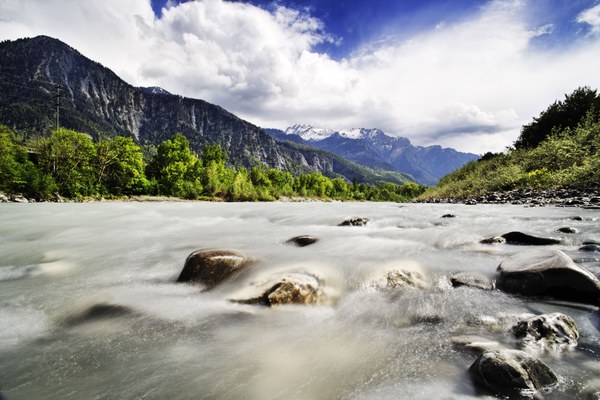
[Project completed] What is the state of the Alpine rivers? How can we bring those responsible and other interested parties to committing themselves to holistic river management? The SPARE project strives to answer these and other questions.