
Act now to protect forests: sign the #HandsOffNature petition!
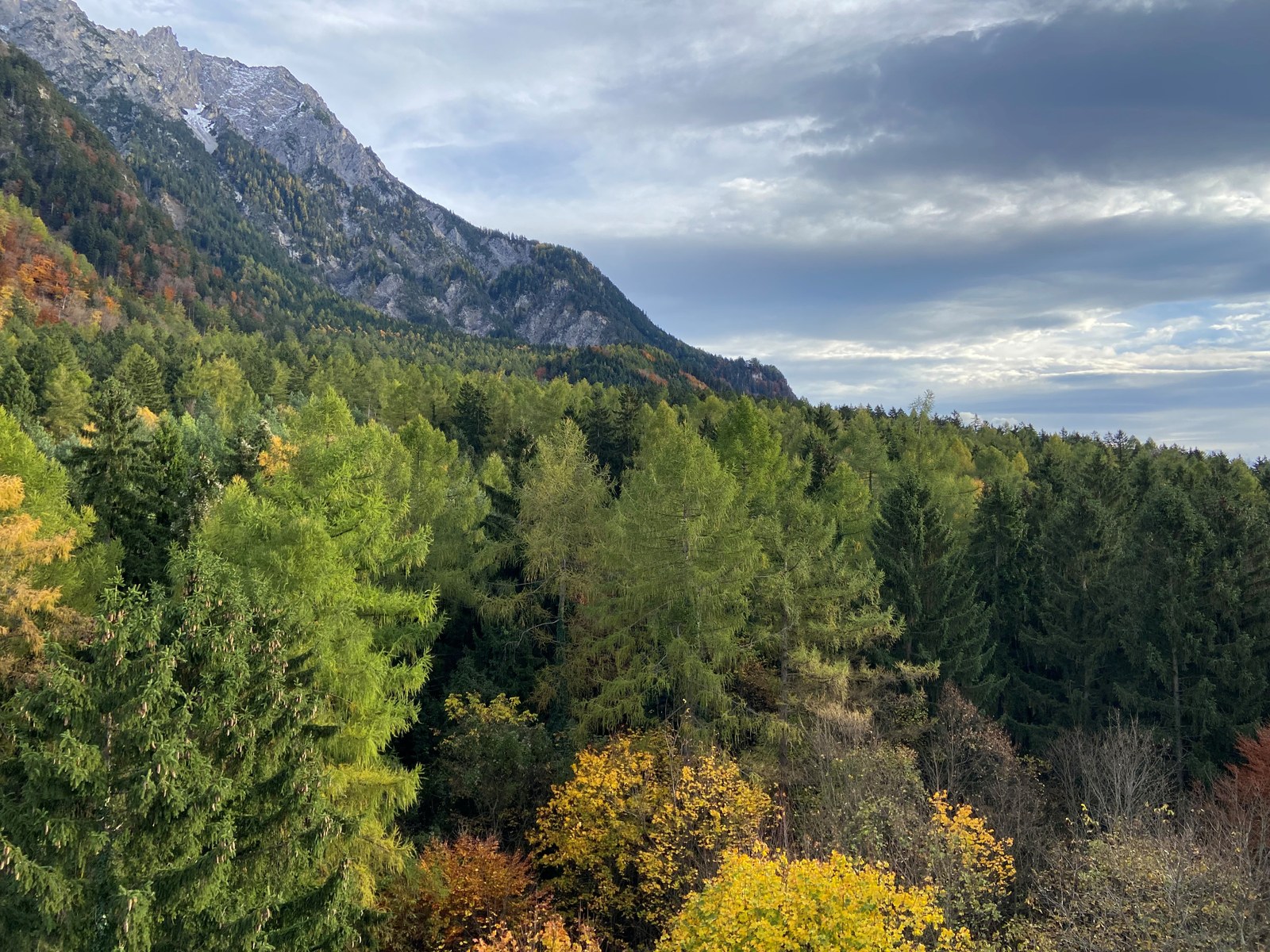
More than 40 percent of the Alpine region is covered by forests. They are not only a defining feature of the landscape, but also a cornerstone of Alpine livelihood, providing building materials, supporting biodiversity, and delivering essential ecosystem services.

Who is CIPRA?
Find out more!
More articles
alpMedia | Schaan, LI
Alps overrun by traffic
Never before have such large quantities of goods been transported through Switzerland as in 2011. The title of "Transit Route Number 1", however, goes to the Brenner Pass.
ALPARC Netzwerk Alpiner Schutzgebiete | Chambéry, FR
Swiss-Italian cooperation in favor of ecological connectivity
During the last Alpine Conference in March 2011 the Alpine Convention officially nominated 8 pilot regions for ecological connectivity in the Alps.

alpMedia | Schaan, LI
Lyon-Turin: Environment Ministry gives bad marks
Criticism of the planned Lyon-Turin rail line is growing: environmental organisations have rejected the megaproject, as has the conservative UMP party in Savoy. The French Environment Ministry is now also expressing doubts.
alpMedia
CIPRA's point of view: Water on!
Austria's checklist for the building of hydroelectric power plants is technically sound, offering transparency for building permits, but no protection for ecologically intact waters.
Projects
CIPRA International
CultureAlps
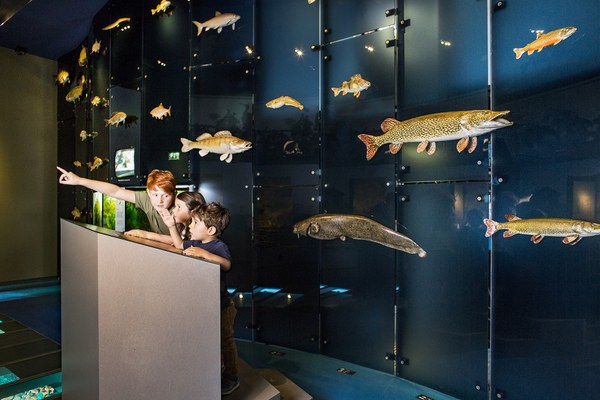
When art and culture give climate protection a fresh lick of paint: the Erasmus+ project “CultureAlps: connect, share, act!” opens up new ways of climate communication and collaboration.
CIPRA International Lab
LiveAlpsNature
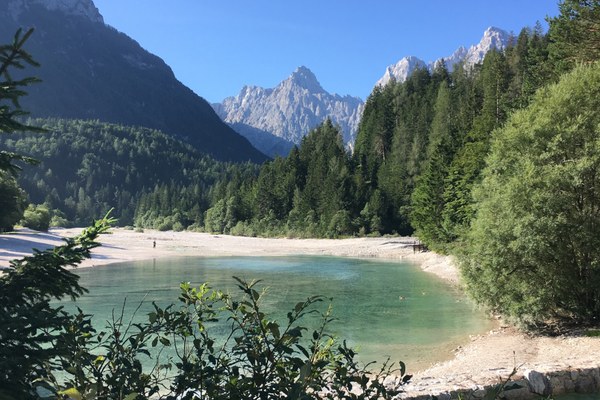
The LiveAlpsNature project contributes to the preservation of biodiversity in Alpine protected areas, which are increasingly being used for nature and health tourism. To this end, the project team is developing new visitor guidance concepts and leisure activities and integrating them into digital platforms.
CIPRA International Lab
AlpsLife – observe globally, act locally
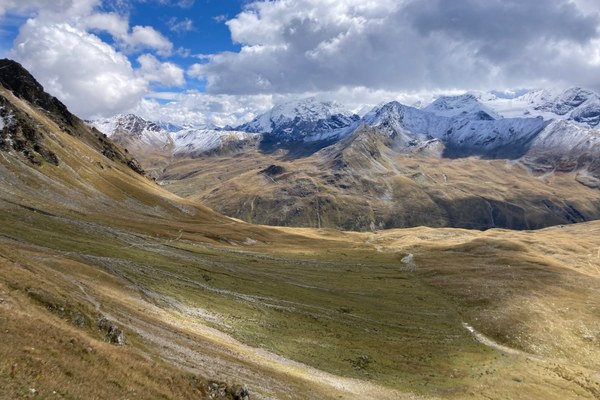
The successful protection of biodiversity in the Alps is only sustainable through Alpine-wide monitoring and management. This is the aim of the AlpsLife project.