
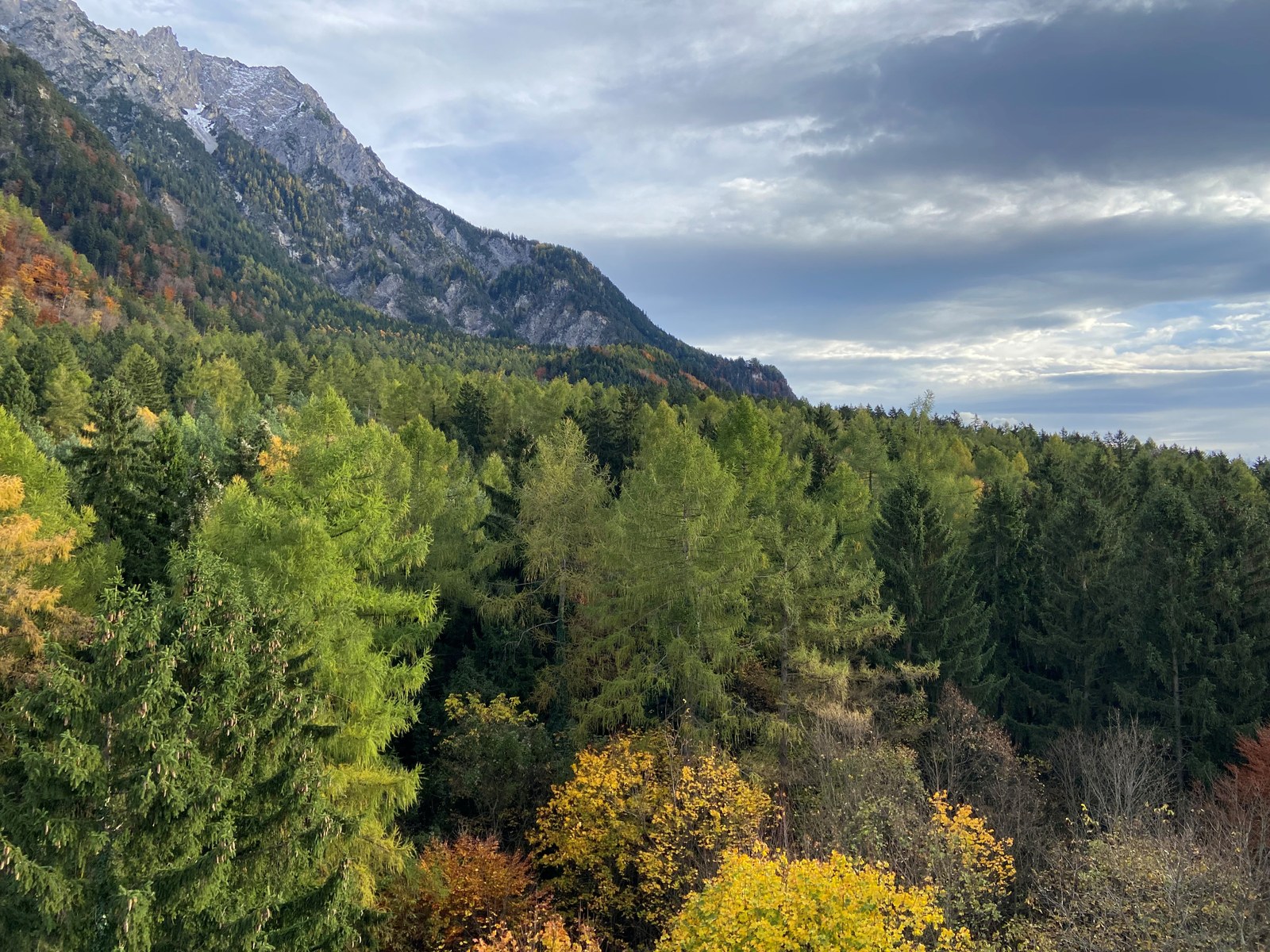
Act now to protect forests: sign the #HandsOffNature petition!
More than 40 percent of the Alpine region is covered by forests. They are not only a defining feature of the landscape, but also a cornerstone of Alpine livelihood, providing building materials, supporting biodiversity, and delivering essential ecosystem services.

Who is CIPRA?
Find out more!
More articles
alpMedia | Schaan, LI
In summer cool, in winter warm
The European Union Directive on the energy performance of buildings takes effect from July. Low-energy buildings will be mandatory as from 2021. The community centre of Saint-Jean-d'Arvey already meets these criteria. The building, made of regional wood, will open at the end of June - a first.
alpMedia | Schaan, LI
Oh! ...
… the bears in Trentino have finally gone too far.
alpMedia
CIPRA's point of view: New solidarity between the Alps and metropolitan areas
Various political actors are pushing for the development of a macro-region for the Alps. CIPRA also says yes to an Alpine macro-region - but only within a clear framework. This offers the opportunity to make the rest of Europe aware of the issues facing its Alpine regions.

alpMedia
CIPRA's point of view: Alpine Convention: Italy says yes but Switzerland still says no
Italy, surprisingly, has ratified eight of nine protocols of the Alpine Convention. Only Switzerland has yet to sign up. We do not need the protocols, stated the Swiss Federal Council recently - Swiss policy is, in its view, more sustainable than in any other Alpine country.
Projects
CIPRA International | CIPRA Deutschland | CIPRA Italia | CIPRA France
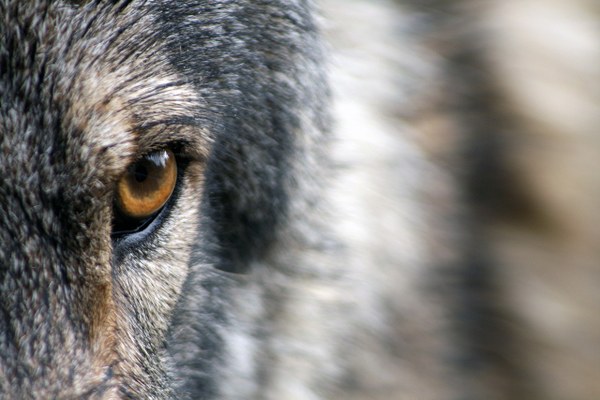
Knowledge transfer on the co-adaptation of humans and wolves in the Alpine region
[Project completed] The return of large carnivores is increasingly causing the fronts to harden between different groups of stakeholders. Among the large carnivores returning to the Alps, the wolf is the most widespread and therefore the most widely debated animal. Wolves are synanthropic animals and cross boundaries - physical as well as intangible ones – regularly. Thus, they have been accompanying and influencing social and cultural processes since time immemorial. In this project, CIPRA has taken on the task to collect, analyse, make available and disseminate knowledge about the co-adaptation of humans and wolves throughout the Alps.