
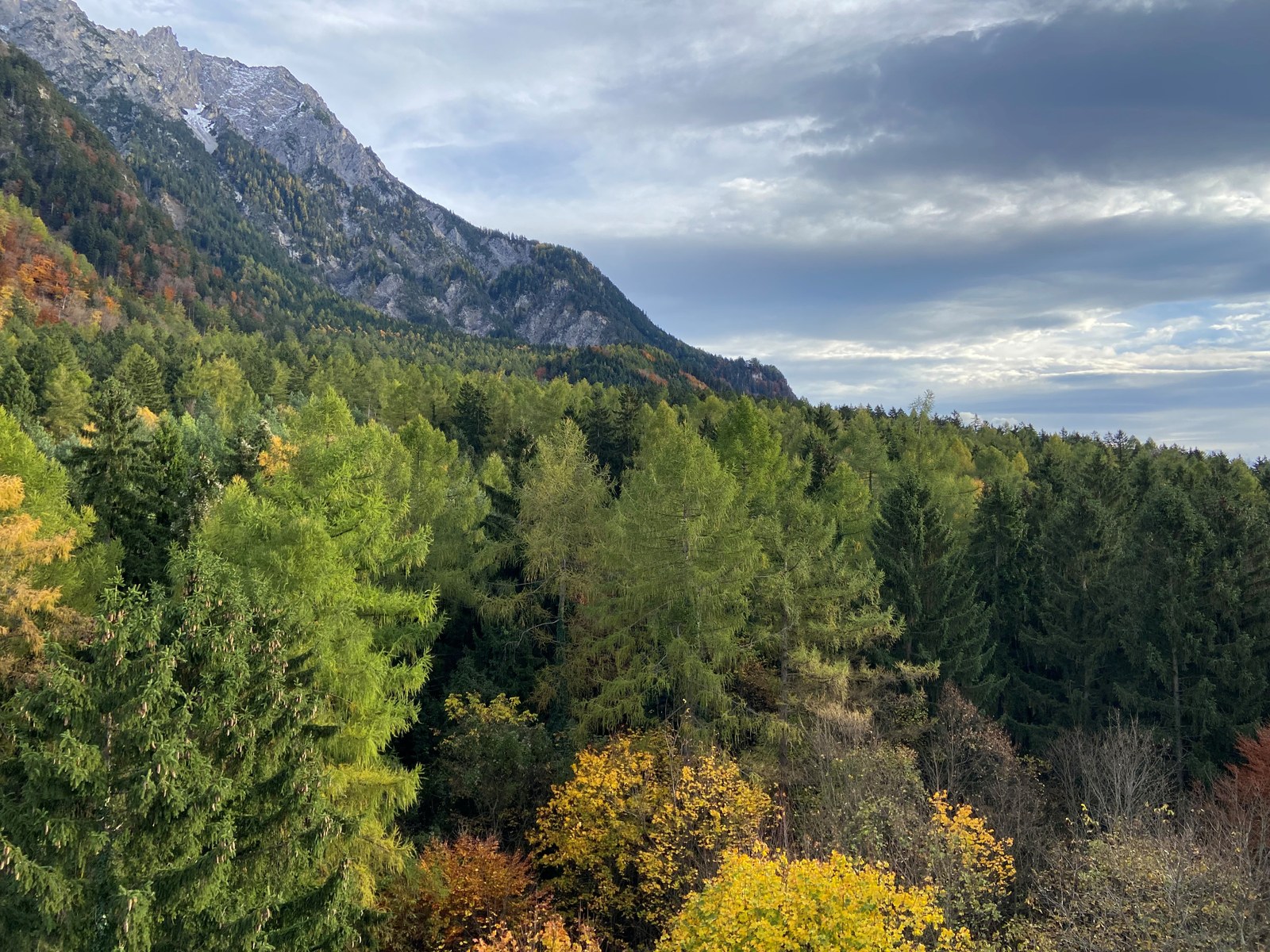
Act now to protect forests: sign the #HandsOffNature petition!
More than 40 percent of the Alpine region is covered by forests. They are not only a defining feature of the landscape, but also a cornerstone of Alpine livelihood, providing building materials, supporting biodiversity, and delivering essential ecosystem services.

Who is CIPRA?
Find out more!
More articles
alpMedia | Schaan, LI
Fewer Alpine pastures
It is not the number of Alms (mountain pastures) that is in decline: rather it is the area of pastureland being worked, according to the preliminary results of the work on the "Alm Atlas".
alpMedia | Schaan, LI
New vehicle tunnels for goods traffic: a dead end
Traffic chaos in the Alps: this summer the most important transit axes are being closed to rail traffic. Haulage associations are thus again demanding new road tunnels. But the Alpine regions have decided that the solution to the traffic problem lies elsewhere.
alpMedia
Alp Week: a place for youth
Politics, science, NGOs. All the usual suspects are there at the 2012 AlpWeek in Poschiavo. This time, however, there is a special place for young people. Here is an overview of the programme.

alpMedia | Schaan, LI
The future of farming in the mountains
The European Union is negotiating the Common Agricultural Policy (CAP). If the "Alliance for Agriculture and Nature Protection in the Alpine Regions" has its way, farming in the mountains will be given particular consideration. The alliance has now submitted its catalogue of demands.
Projects
CIPRA International | CIPRA Deutschland | CIPRA Italia | CIPRA France
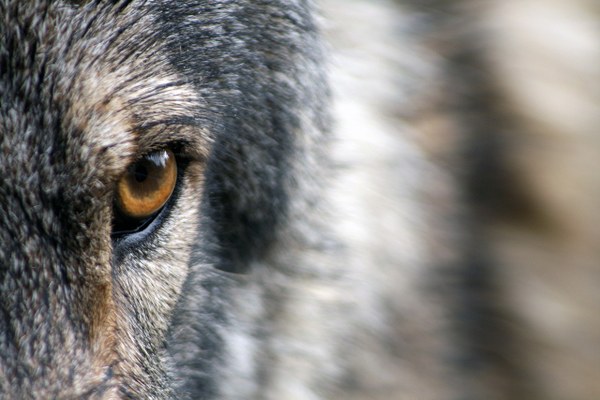
Knowledge transfer on the co-adaptation of humans and wolves in the Alpine region
[Project completed] The return of large carnivores is increasingly causing the fronts to harden between different groups of stakeholders. Among the large carnivores returning to the Alps, the wolf is the most widespread and therefore the most widely debated animal. Wolves are synanthropic animals and cross boundaries - physical as well as intangible ones – regularly. Thus, they have been accompanying and influencing social and cultural processes since time immemorial. In this project, CIPRA has taken on the task to collect, analyse, make available and disseminate knowledge about the co-adaptation of humans and wolves throughout the Alps.