
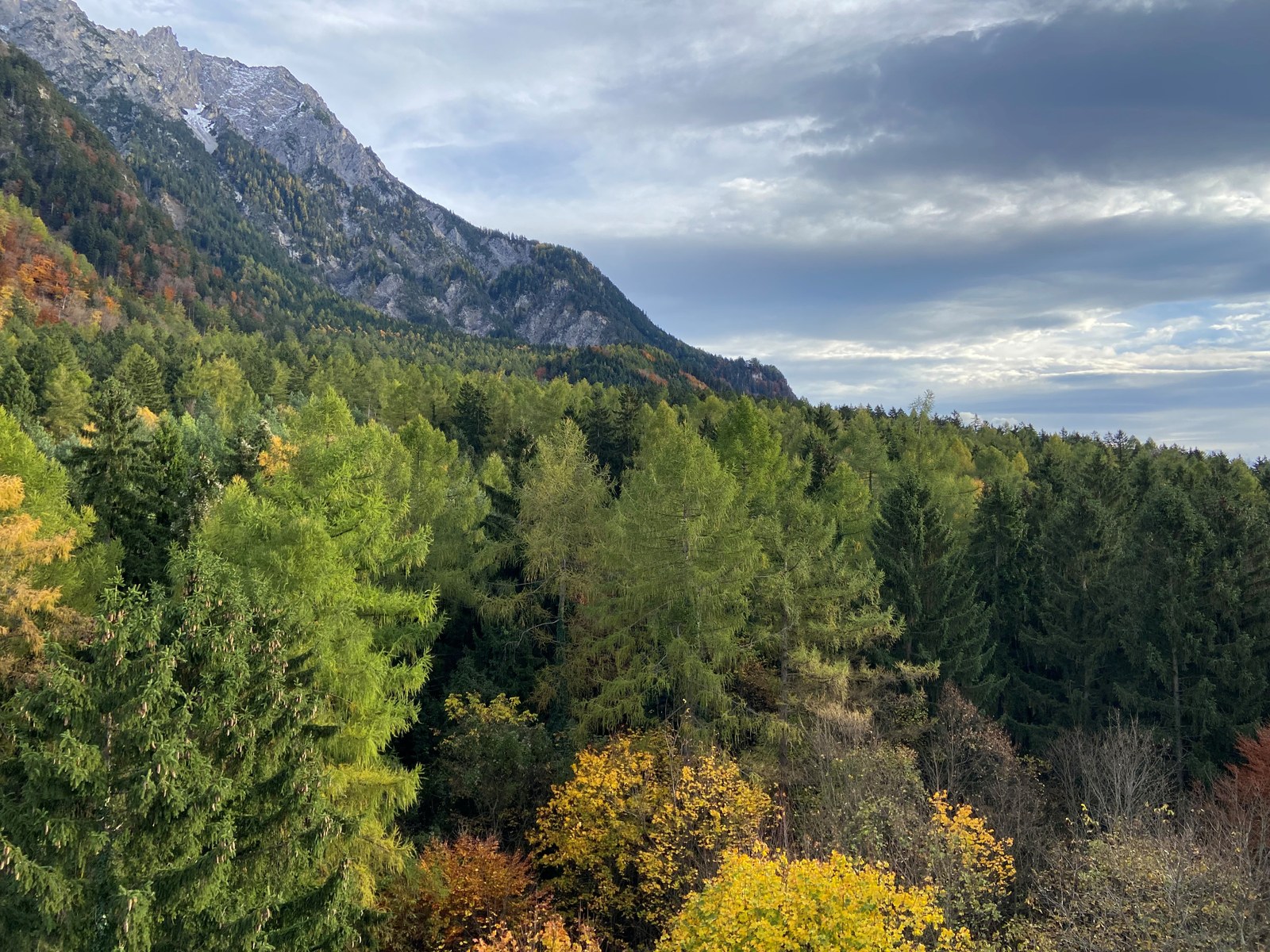
Act now to protect forests: sign the #HandsOffNature petition!
More than 40 percent of the Alpine region is covered by forests. They are not only a defining feature of the landscape, but also a cornerstone of Alpine livelihood, providing building materials, supporting biodiversity, and delivering essential ecosystem services.

Who is CIPRA?
Find out more!
More articles
CIPRA Internationale Alpenschutzkommission | Schaan, LI
Young, climate-conscious, and thirsting for action
Young people from five Alpine nations campaigned as part of the My Clime-mate Project to make the Alps a carbon-neutral region. At the end of October they took stock - and forged new plans.
CIPRA Internationale Alpenschutzkommission | Schaan, LI
"We'll keep at it."
Virtually everyone was there. Idrija's festival hall was packed to the rafters, and the youth symphony orchestra summoned specially for the occasion was in full flow. There was plenty of drama, and the TV people were there, too. A murmur went through the 1,000-strong audience as they got to their feet and began clapping. Then a large burly man in a dark suit walked onto to the stage. Deep creases bracketed his laughing mouth like waterfalls, stretching up to his white temples. Bojan Sever, the major of the small Slovenian town in the alpine foothills, held aloft the certificate confirming their status as Alpine Town of the Year 2011. Cameras flashed and the applause redoubled. That was just over a year ago.
CIPRA Internationale Alpenschutzkommission | Schaan, LI
"CIPRA is a both a mainstay and a cornerstone"
Chris Walzer, lead partner of Econnect, on ecological networking, psychological barriers and a continuous landscape.
alpMedia | Schaan, LI
Alpine regions demand joint strategy
The Conference of the Alpine Regions has decided on an initiative paper for the development of a macro-regional strategy for the Alpine arc. It declares that the need is for greater innovation and economic strength within an intact environment, as well as more co-operation and the bundling of development funds. There is just one thing that is not mentioned: the Alpine Convention.
Projects
CIPRA International
Living Labs
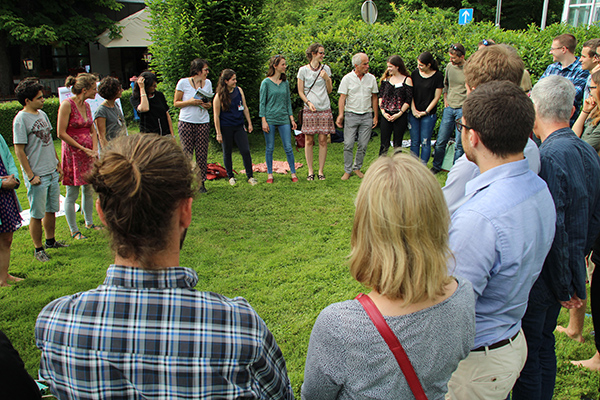
[Project completed] The project “Living Labs” brought together people of different ages from different Alpine countries to work together on process and know-how on selected topics. The project approach was participative and based on the principles of co-creation between young talents aged 18-30 years, environmental NGOs, civil society and politicians. The participants of this intergenerational project are committed to the sustainable development of the Alps at local, national and international level. For a desirable future it is important to set the right course today and to talk about how existing natural resources can be used sustainably.
CIPRA International | CIPRA Deutschland | CIPRA France | CIPRA Italia | CIPRA Slovenija
Sustainable Alpine Tourism
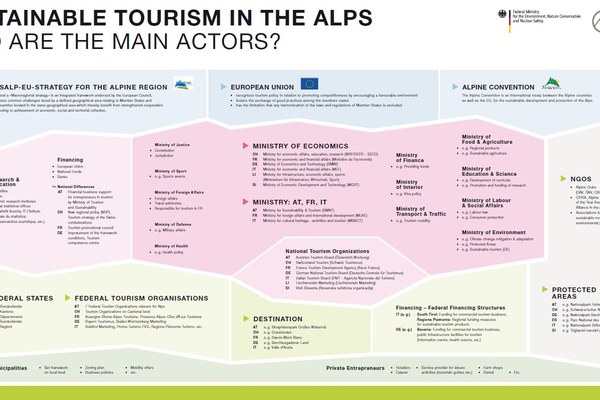
[Project completed] Sustainable tourism in the Alps is the only long-term alternative to conventional mass tourism in order to safeguard the habitat for nature and people. So far, however, there is a lack of jointly defined framework conditions on anational or alpine level for planning, promoting and implementing sustainable tourism.
CIPRA International
Cross-border mobility
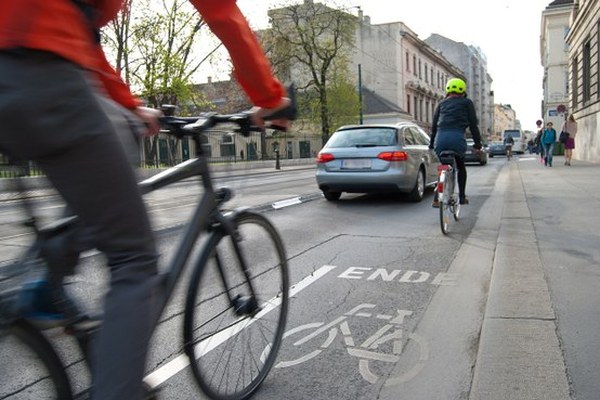
[Project completed] Tens of thousands of commuters move across national borders every day in the Alpine region. Existing traffic routes, however, were mostly built with a purely national perspective and are not geared to cross-border commuter flows. The result is overloaded roads, noise and pollution for local residents.