
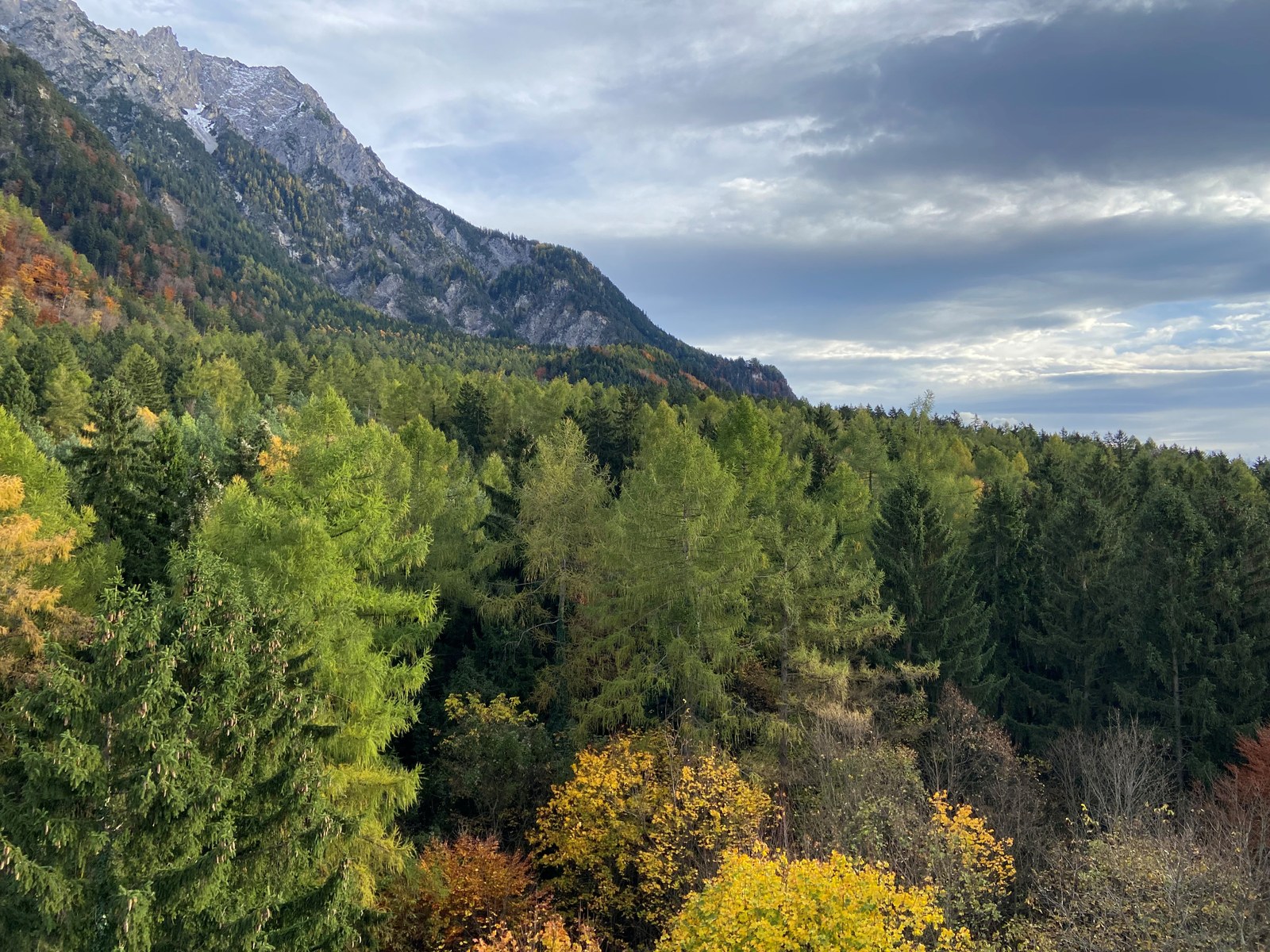
Act now to protect forests: sign the #HandsOffNature petition!
More than 40 percent of the Alpine region is covered by forests. They are not only a defining feature of the landscape, but also a cornerstone of Alpine livelihood, providing building materials, supporting biodiversity, and delivering essential ecosystem services.

Who is CIPRA?
Find out more!
More articles
Aurelia Ullrich-Schneider | CIPRA International | Schaan, LI
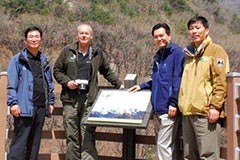
Northeast Asia inspired by the Alpine Ecological Network
In South Korea, China and Japan activities have been started in favour of ecological connectivity. The major protected areas of these countries, the Ministry for environment of South Korea and other key stakeholders have been convinced by the importance of connected habitats thanks to the successful initiatives in the Alps.
Yann Kohler | Task Force Protected Areas | Chambéry, FR
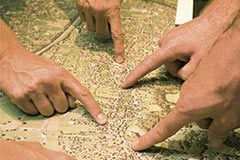
The French ecological network becomes regional
The main aim of the French "Green and Blue Infrastructure" ("Trame Verte et Bleue" - TVB) is to stop biodiversity loss. The ecological network is in addition a powerful tool for spatial planning. The two Alpine regions Rhône-Alpes and Provence-Alpes-Côte-d'Azur have started to set up this new planning tool.
Aurelia Ullrich-Schneider | CIPRA International | Schaan, LI
Financial boost to Bavaria's Ecological Network
2 million Euro will help to further develop the ecological network in Bavaria, "BayernNetzNatur". The environment Ministry gives this additional funding to at least one new nature protection project in each of Bavaria's seven provinces for 2013 and 2014.
alpMedia
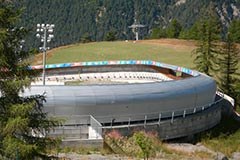
CIPRA's point of view: Torino 2006: a hard lesson - but nothing learned
The Olympic Winter Games 2006 have left a burdensome legacy. The idea is thus to close the loss-making bobsleigh and replace it with an indoor ski slope. Is Turin simply throwing good money after bad?
Projects
CIPRA Deutschland | CIPRA France
DINAMO
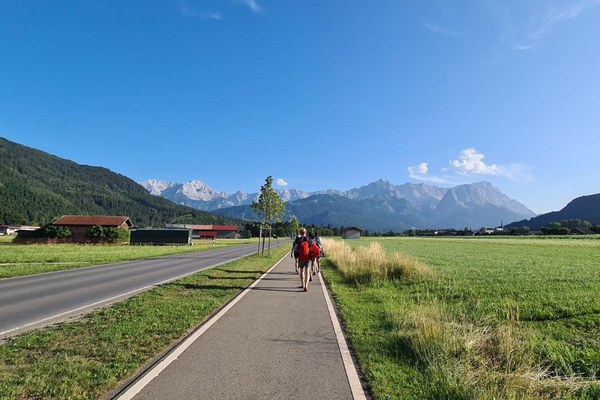
[Project competed] In many rural areas of the Alps, public transport services are inadequate for daily needs and tourism development. In some remote mountain regions, this is one of the reasons why there is a considerable amount of car traffic, especially on weekends, public holidays and during rush hours. There are various reasons for this, including the high cost of public transport solutions due to low population density, inadequate public transport options (such as timetables, accessibility, connectivity, travel time and costs) and political and social preferences in favour of private motorised transport.

CIPRA International Lab
LISTEN
The LISTEN project is analysing the use of space in suburbs on the basis of three pilot regions in Belgium, Sweden and Austria. CIPRA Lab GmbH is working together with partners from research and regional stakeholders.
CIPRA International Lab
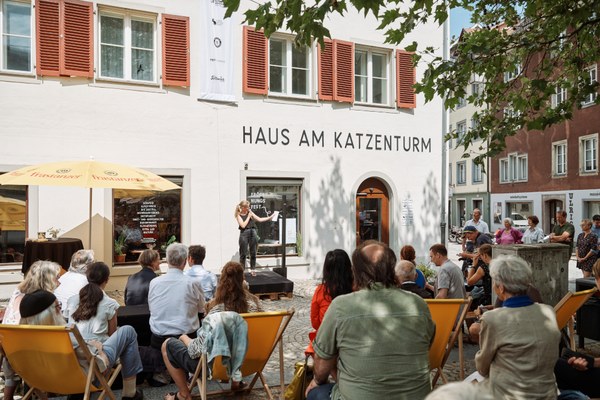
Haus am Katzenturm Association
[Project completed] Along with the association of the same name in Feldkirch/A, the “Haus am Katzenturm” networks NGOs from the environmental and nature conservation sector in the Lake Constance region and makes their topics accessible to a broad public.