Act now to protect forests: sign the #HandsOffNature petition!
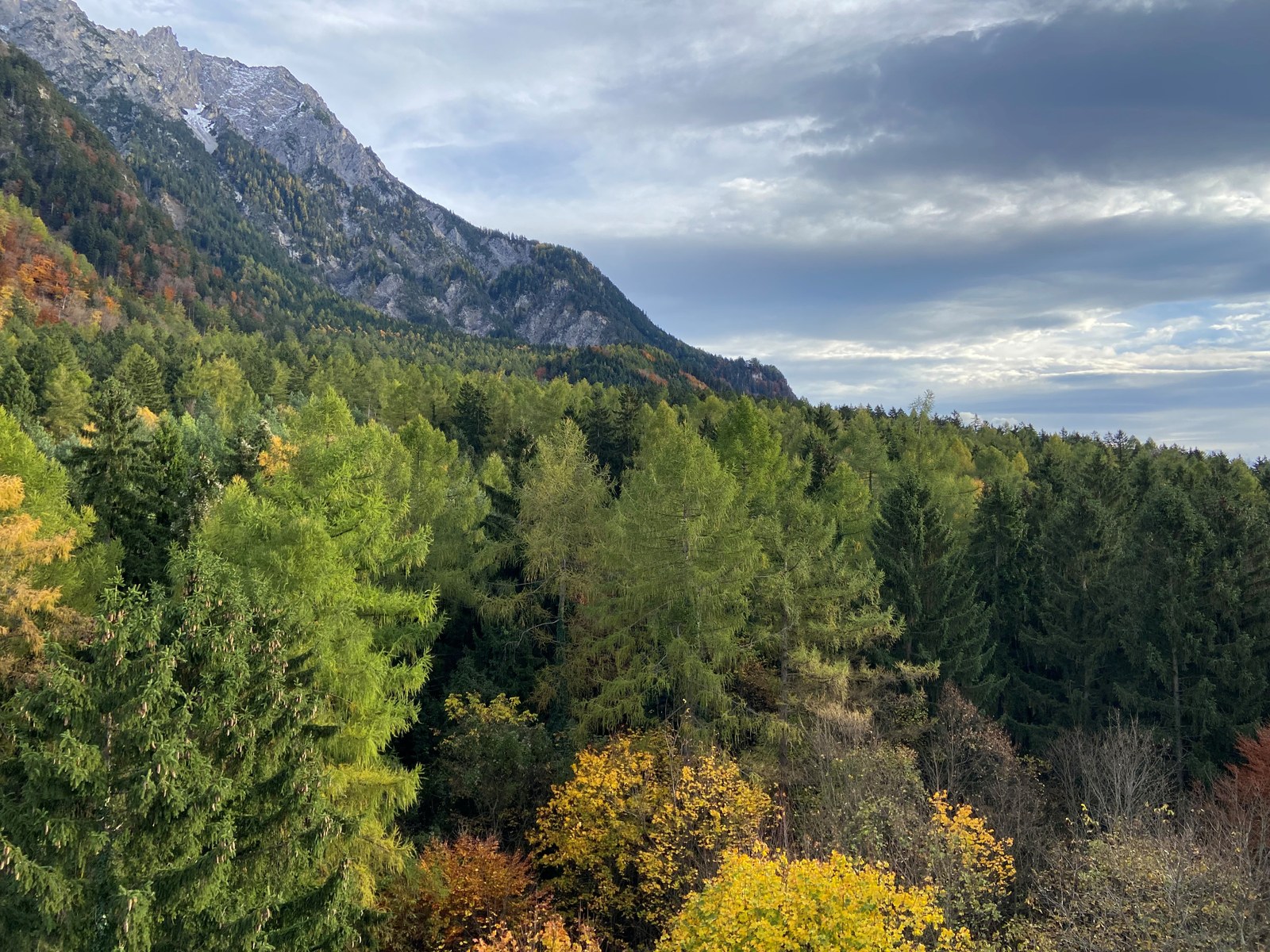
More than 40 percent of the Alpine region is covered by forests. They are not only a defining feature of the landscape, but also a cornerstone of Alpine livelihood, providing building materials, supporting biodiversity, and delivering essential ecosystem services.

Who is CIPRA?
Find out more!
More articles
Aurelia Ullrich-Schneider | CIPRA International | Schaan, LI
Connectivity video clip for mayors
Municipalities can collaborate in the improvement of ecological networks in many different ways. Therefore CIPRA wants to convince mayors for this topic with the help of a video clip.
Marianne Badura | blue! advancing european projects GbR | Freising, DE
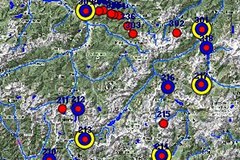
Connectivity analysis for cross-border areas in the Alps
Which cross-border areas between Alpine countries are most relevant for further connectivity activities? To answer this question the Platform Ecological Network of the Alpine Convention has contracted an analysis.
Marianne Badura | blue! advancing european projects GbR | Freising, DE
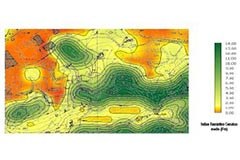
Indicators on evaluating the progress of the Alpine ecological network
The establishment of the Alpine Ecological Network is a long process. In order to evaluate the progress, the Platform Ecological Network of the Alpine Convention has developed a set of indicators.
Aurelia Ullrich-Schneider | CIPRA International | Schaan, LI
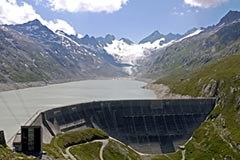
Econnect's drive living on in recharge.green
Ecological connectivity in the Alps can only be maintained if the production of renewable energy is managed in line with nature protection. Some of the Econnect partners seized the opportunity given by the last call of the Alpine Space Programme to work out a project on this issue. They were successful and "recharge.green" is about to start on 1st October.
Projects
CIPRA International
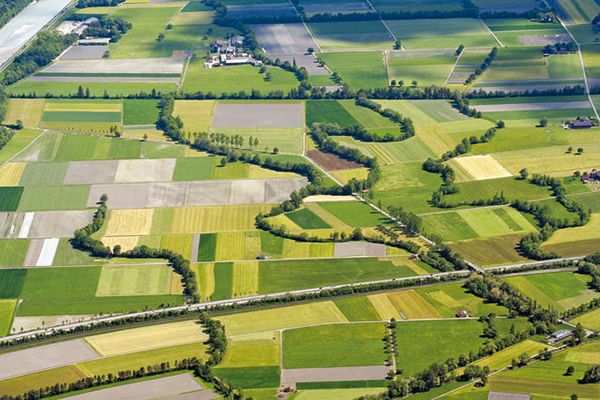
Ecological Continuum Initiative
[Project completed] Nature does not stop at the boundaries of protected areas or national borders. And, more and more often, man’s interventions in nature and the landscape are dissecting habitats and lastingly obstructing the exchange and migration of fauna and flora. This is putting Europe’s unique biodiversity in the Alps at risk.