
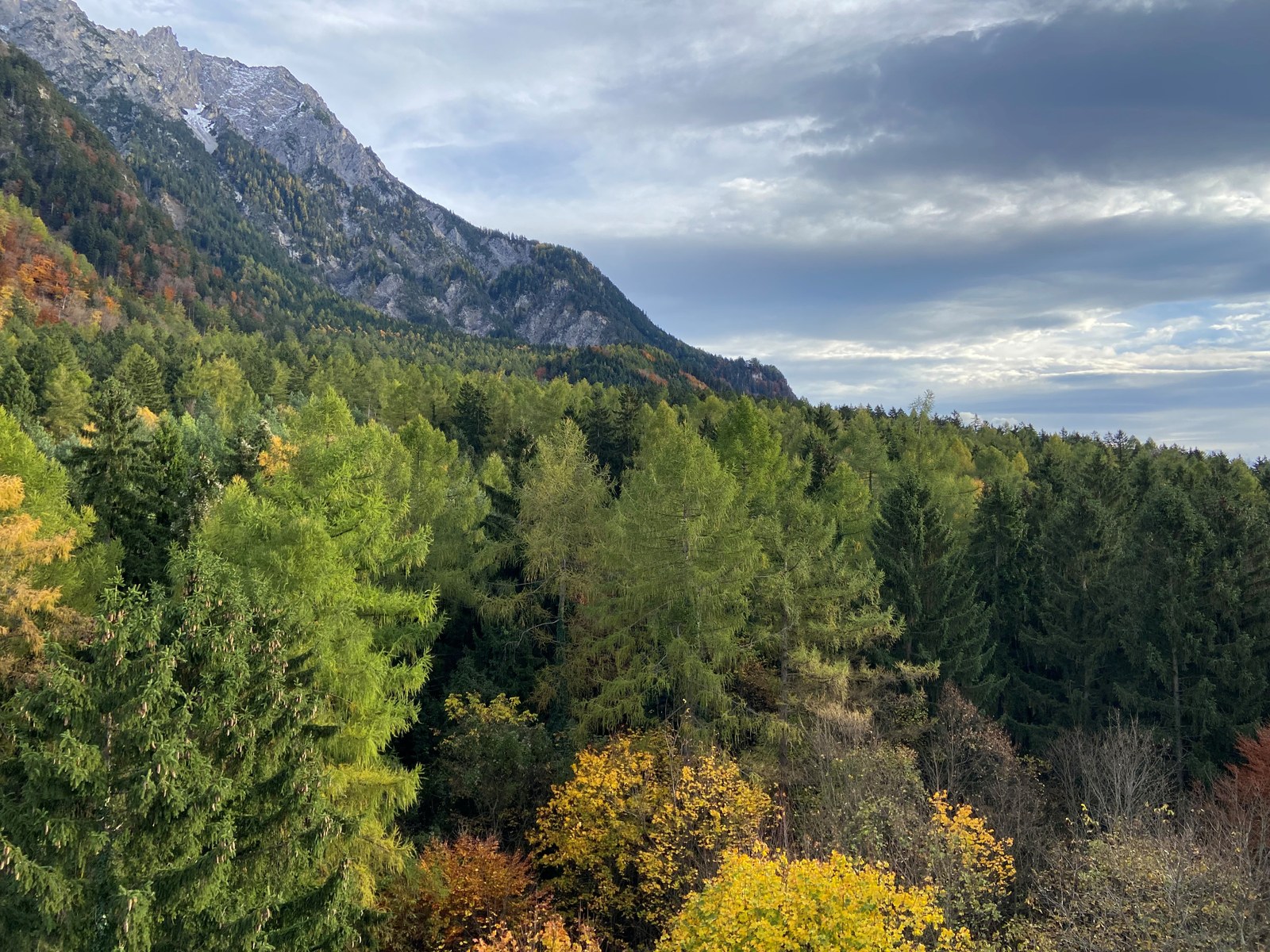
Act now to protect forests: sign the #HandsOffNature petition!
More than 40 percent of the Alpine region is covered by forests. They are not only a defining feature of the landscape, but also a cornerstone of Alpine livelihood, providing building materials, supporting biodiversity, and delivering essential ecosystem services.

Who is CIPRA?
Find out more!
More articles
alpMedia | Schaan, LI
Oh...!
… The Swiss Alpine Club (SAC) is this year celebrating its 150th anniversary and has got Mother Nature to build it a table of snow and ice at an altitude of 2,700 metres.
climalp | Schaan, LI
Sustainable Buildings: contribute to the EU consultation!
Sustainable construction means not only energy efficiency but takes environmental, social and economic aspects into account on a long-term vision.
alpMedia | Schaan, LI
Towards Carbon Neutral Alps - a guideline
The strategies for carbon neutrality are numerous. Municipalities and regions all over the Alps are confronted with various challenges and opportunities on the way to carbon neutrality. The Alpstar-Guideline provides an overview.
alpMedia | Schaan, LI
Boost for the macro-region Alps
The European Union is publishing its first analysis of existing macro-regions - encouraging news for current developments in the Alpine space.
Projects
CIPRA International
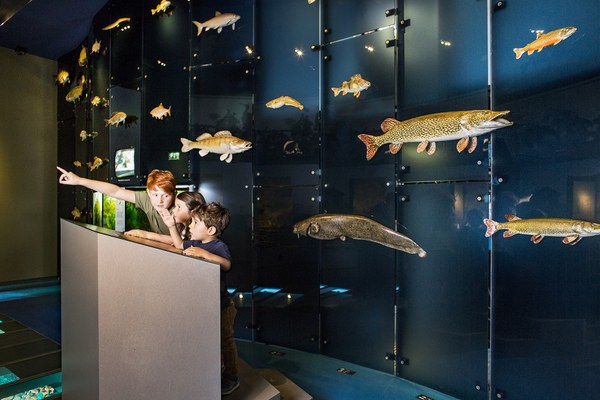
CultureAlps
When art and culture give climate protection a fresh lick of paint: the Erasmus+ project “CultureAlps: connect, share, act!” opens up new ways of climate communication and collaboration.
CIPRA International Lab
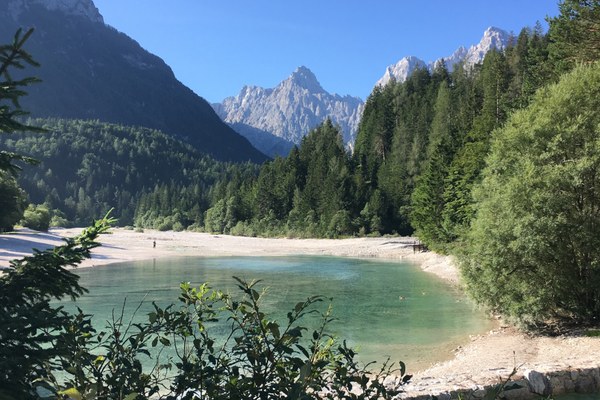
LiveAlpsNature
The LiveAlpsNature project contributes to the preservation of biodiversity in Alpine protected areas, which are increasingly being used for nature and health tourism. To this end, the project team is developing new visitor guidance concepts and leisure activities and integrating them into digital platforms.
CIPRA International Lab
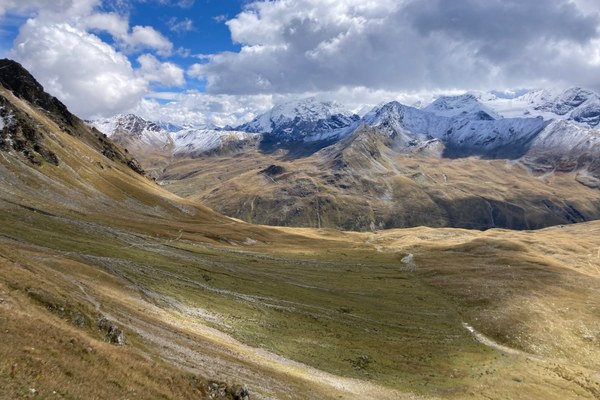
AlpsLife – observe globally, act locally
The successful protection of biodiversity in the Alps is only sustainable through Alpine-wide monitoring and management. This is the aim of the AlpsLife project.