
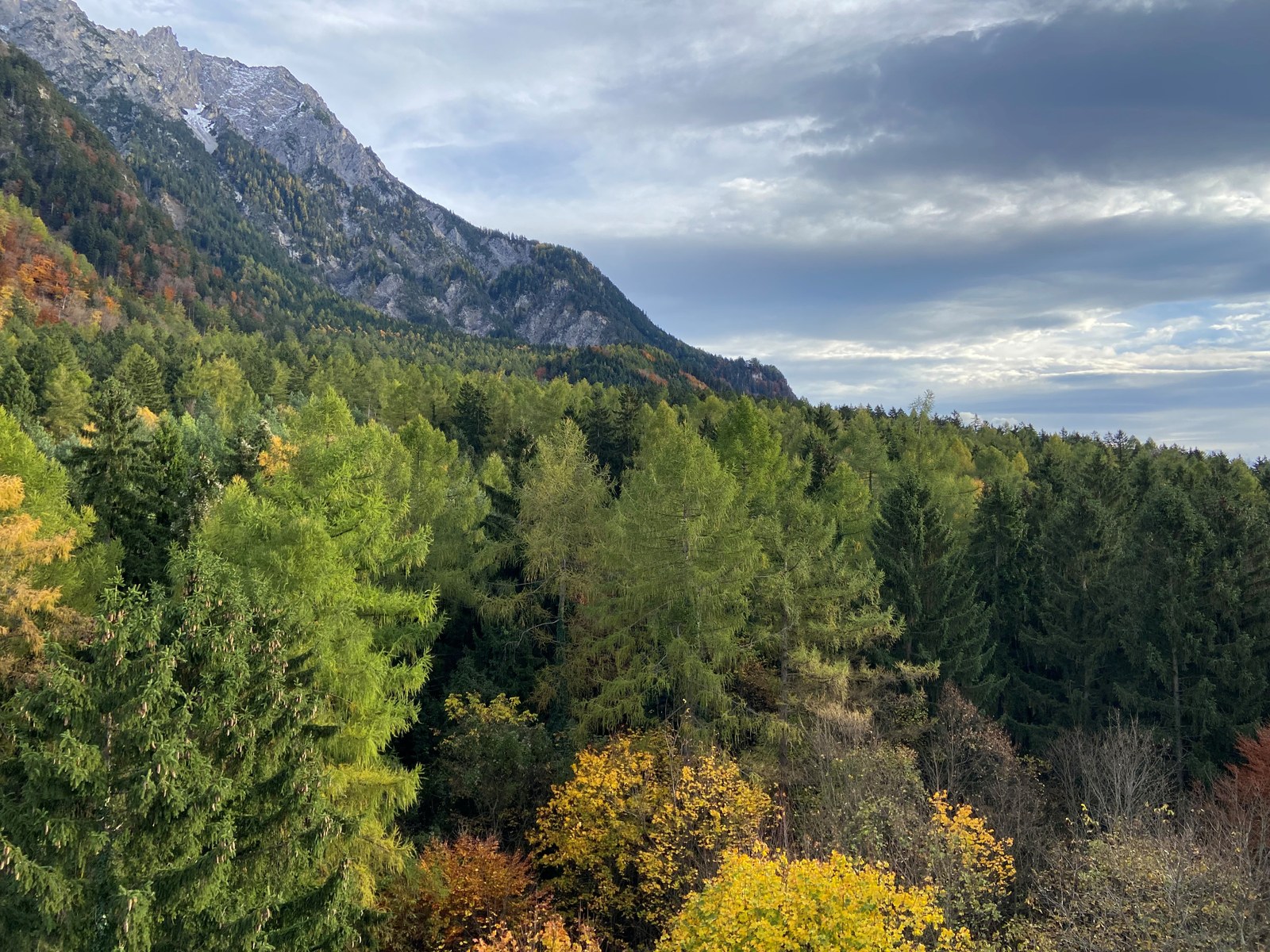
Act now to protect forests: sign the #HandsOffNature petition!
More than 40 percent of the Alpine region is covered by forests. They are not only a defining feature of the landscape, but also a cornerstone of Alpine livelihood, providing building materials, supporting biodiversity, and delivering essential ecosystem services.

Who is CIPRA?
Find out more!
More articles
alpMedia | Schaan, LI
Oh...!
… the new silver bullet aimed at reviving the ailing winter tourism sector comes in the form of so-called "Downhill Bubbles".

alpMedia | Schaan, LI
NGOs demand participation in the Alpine macro-region
Observer organisations of the Alpine Convention are bewildered at their exclusion from the Alpine macro-region. They are demanding their inclusion in the ongoing process for a macro-regional Alpine strategy.

alpMedia | Schaan, LI
"Landscape is not renewable"
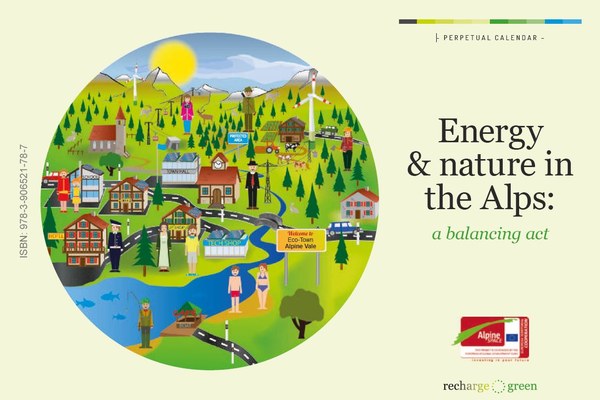
Must the Alps really be squeezed to the last drop so they can contribute yet more to the energy transition? The CIPRA annual conference on "The Alps as a Water Trough" saw more passionate debate on this topic than any other.

alpMedia | Schaan, LI
Who will shape the Alpine macro-region?
With its "Alpen.Leben" (Living in the Alps) project, CIPRA Austria is sounding out the role of the Alpine Convention for a macro-regional strategy and is asking who should actually have a say in shaping this European Union strategy for the Alps.
Projects
CIPRA International | CIPRA Deutschland | CIPRA Italia | CIPRA France
Knowledge transfer on the co-adaptation of humans and wolves in the Alpine region
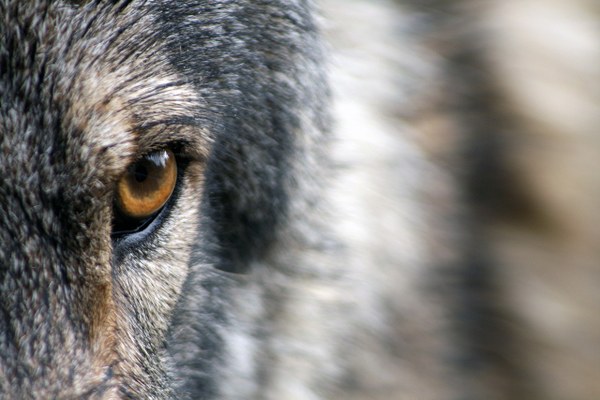
[Project completed] The return of large carnivores is increasingly causing the fronts to harden between different groups of stakeholders. Among the large carnivores returning to the Alps, the wolf is the most widespread and therefore the most widely debated animal. Wolves are synanthropic animals and cross boundaries - physical as well as intangible ones – regularly. Thus, they have been accompanying and influencing social and cultural processes since time immemorial. In this project, CIPRA has taken on the task to collect, analyse, make available and disseminate knowledge about the co-adaptation of humans and wolves throughout the Alps.