
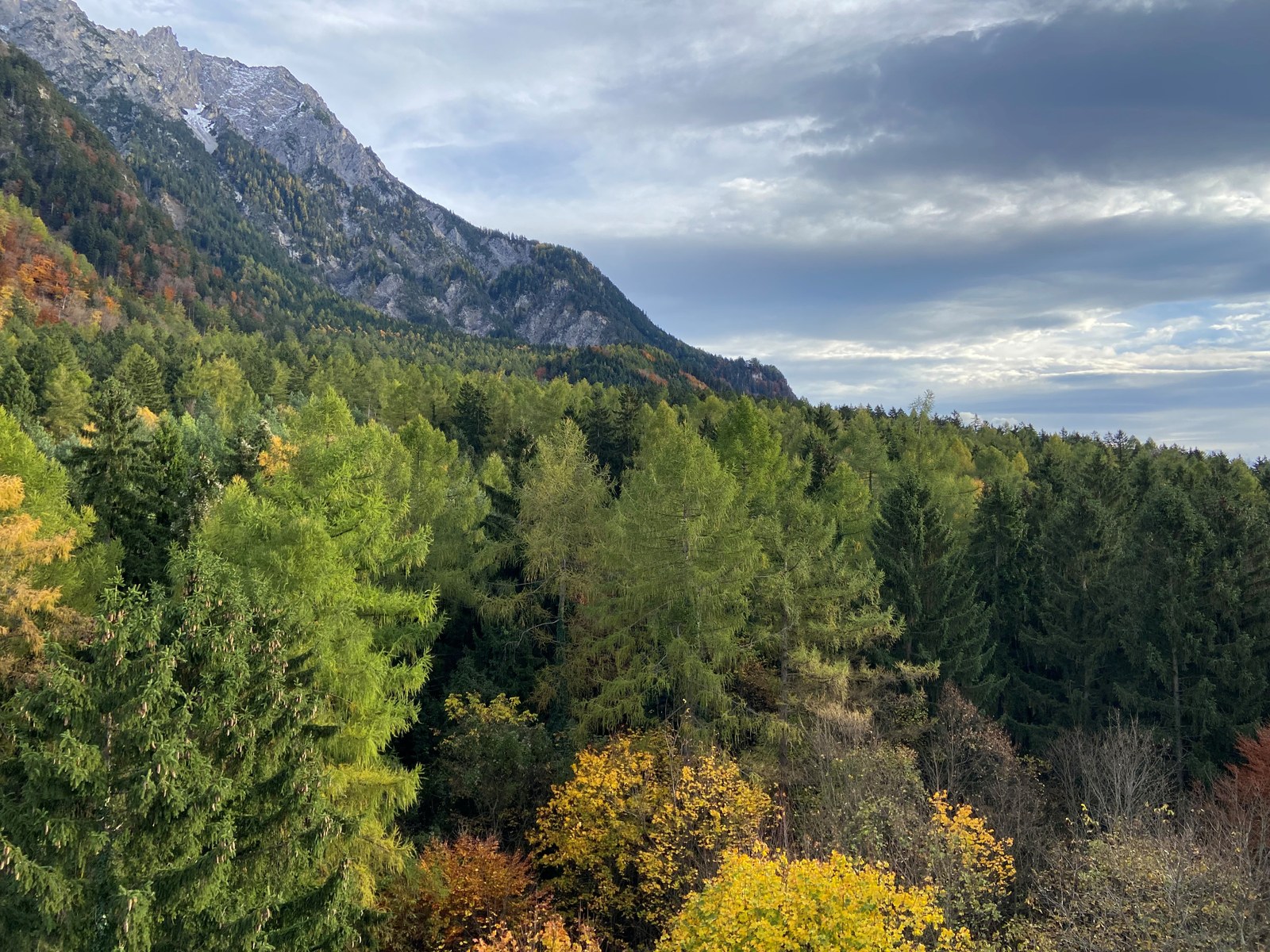
Act now to protect forests: sign the #HandsOffNature petition!
More than 40 percent of the Alpine region is covered by forests. They are not only a defining feature of the landscape, but also a cornerstone of Alpine livelihood, providing building materials, supporting biodiversity, and delivering essential ecosystem services.

Who is CIPRA?
Find out more!
More articles
alpMedia
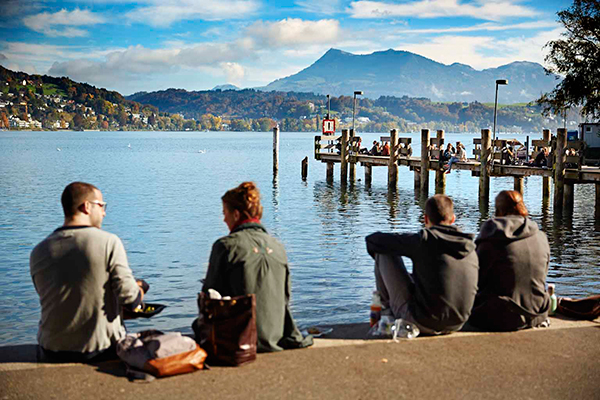
Live simply!
The Alps and their natural resources are coming under increased pressure. But how can a change in values open the door to an ecologically sustainable way of life? CIPRA investigates this question in its latest annual report.
alpMedia
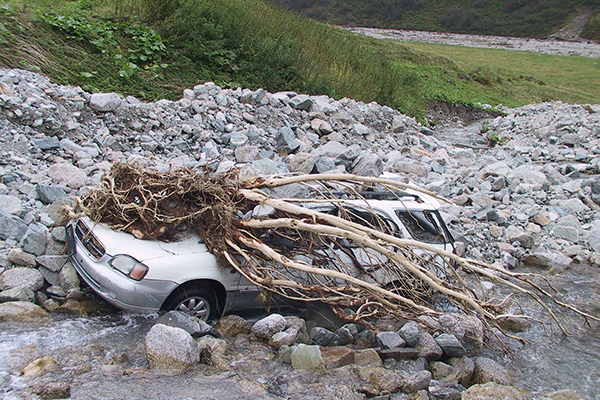
Tomorrow’s climate: warmer, wetter, costlier
This winter was the second warmest in Italy and one of the wettest since 1800. The world’s largest reinsurer is now also warning of the increasing natural risks as a consequence of climate change.
alpMedia
Strange but true!
... Winter ade, scheiden tut weh – Winter must go, parting hurts, as the old German folk song runs. The little Austrian community of Ramsau is now ignoring this piece of wisdom, as well as the laws of nature.
alpMedia
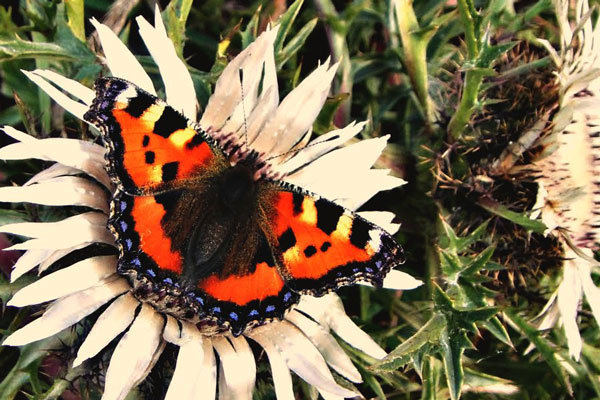
Municipal network for nature protection
Nature knows no bounds. Therefore, 25 members of the “Alliance in the Alps” network of municipalities are now working together to ensure greater biodiversity and quality of life. Below is a summary of the aims of the international dynAlp-nature projects.
Events
|
Youth Parliament to the Alpine Convention: Climate Resilient Development | ||
|
The Better-Cities Event | Ljubljana | |
|
Local Peaks, Global Learning | online | |
|
Transhumance as Intangible Cultural Heritage of Humanity: A Way Forward? | MUCEM, Marseille/France | |
|
Growing alternative crops for new market opportunities in a changing climate | Vienna/Austria |
Projects
CIPRA International | CIPRA Deutschland | CIPRA Italia | CIPRA France
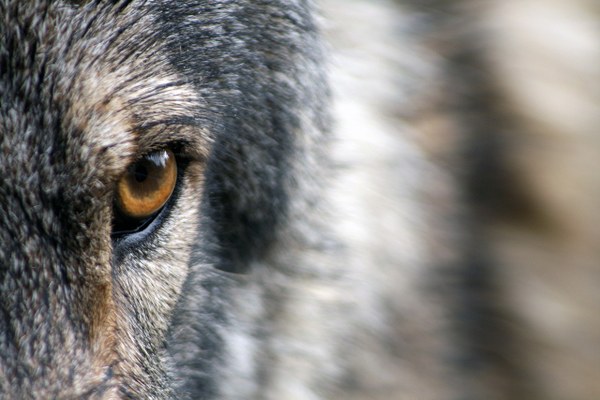
Knowledge transfer on the co-adaptation of humans and wolves in the Alpine region
[Project completed] The return of large carnivores is increasingly causing the fronts to harden between different groups of stakeholders. Among the large carnivores returning to the Alps, the wolf is the most widespread and therefore the most widely debated animal. Wolves are synanthropic animals and cross boundaries - physical as well as intangible ones – regularly. Thus, they have been accompanying and influencing social and cultural processes since time immemorial. In this project, CIPRA has taken on the task to collect, analyse, make available and disseminate knowledge about the co-adaptation of humans and wolves throughout the Alps.