
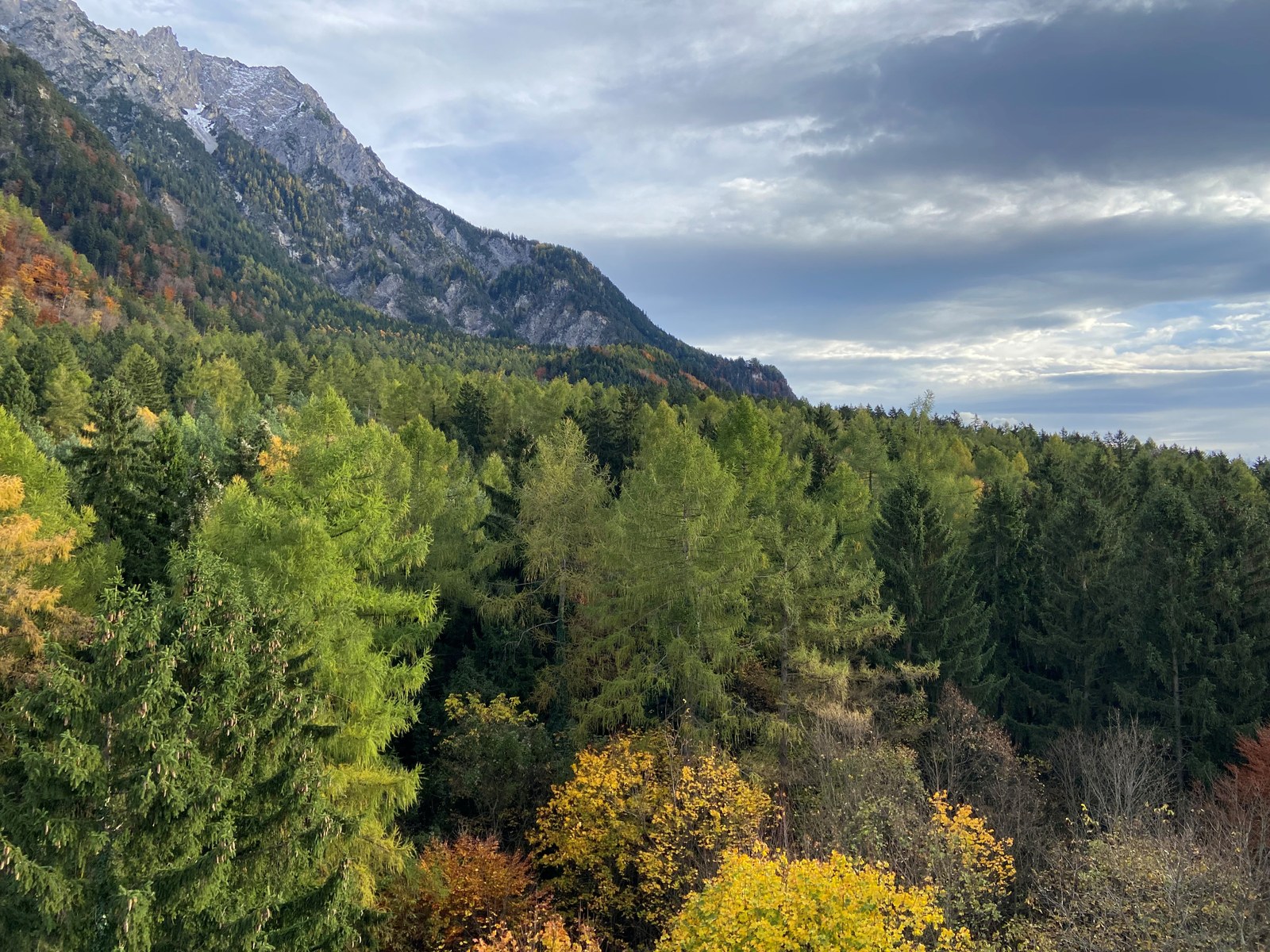
Act now to protect forests: sign the #HandsOffNature petition!
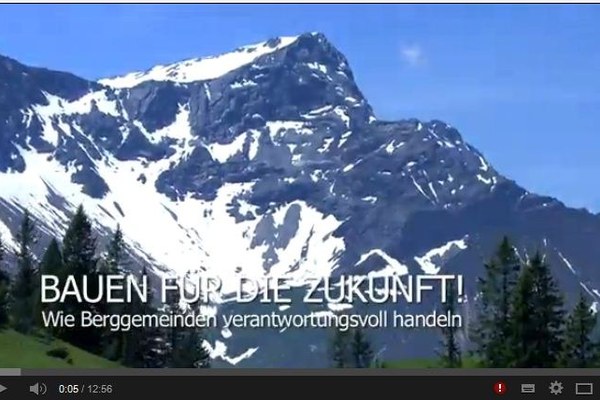
More than 40 percent of the Alpine region is covered by forests. They are not only a defining feature of the landscape, but also a cornerstone of Alpine livelihood, providing building materials, supporting biodiversity, and delivering essential ecosystem services.

Who is CIPRA?
Find out more!
More articles
alpMedia
Looking for answers to resource shortages
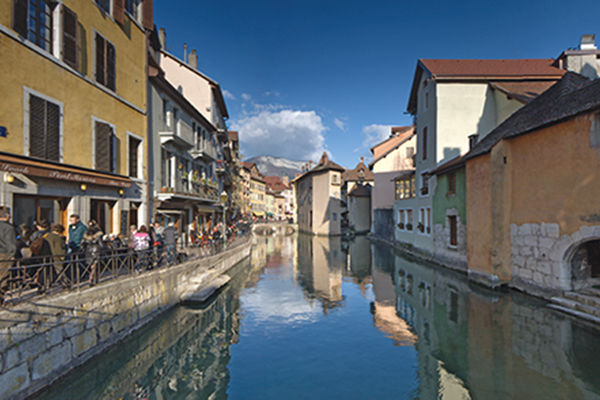
Resources are finite, including those in the Alps. What solutions are available for living a good life that do not simply depend on ever more consumption? Some answers will be provided at the CIPRA Annual Conference to be held in November 2014 in Annecy, France
alpMedia
Ski tourism: an insatiable hunger
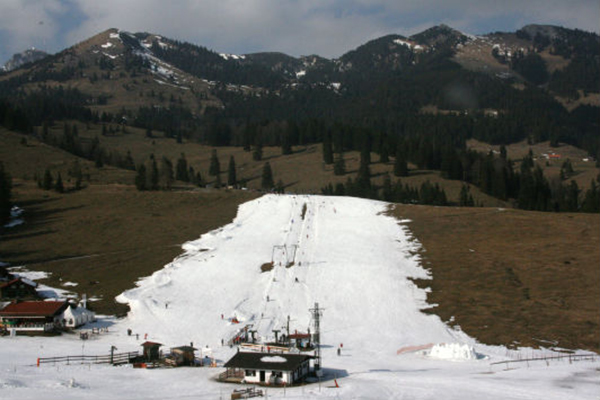
Gigantic artificial lakes, myriads of snow cannons, secret forest clearances. Ski areas are continuing to expand in all Alpine countries, often using questionable methods and concepts. Below are three examples.

alpMedia
Bad atmosphere in the Alps
Never before have atmospheric CO2 levels been as high as those recorded in April 2014. Many Alpine valleys are suffering from poor air quality. This puts the health of many people in the Rhône-Alpes Region at risk - lower motorway speeds can be part of the solution.
Information for a better Decision-Making
Events
|
Symposium 2: Vernacular Buildings in the Anthropocene | Austrian Academy of Sciences, Vienna (Austria) |
Projects
CIPRA International | CIPRA Deutschland | CIPRA Italia | CIPRA France
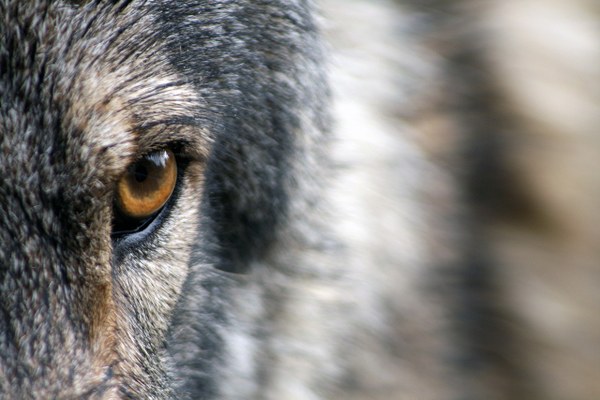
Knowledge transfer on the co-adaptation of humans and wolves in the Alpine region
[Project completed] The return of large carnivores is increasingly causing the fronts to harden between different groups of stakeholders. Among the large carnivores returning to the Alps, the wolf is the most widespread and therefore the most widely debated animal. Wolves are synanthropic animals and cross boundaries - physical as well as intangible ones – regularly. Thus, they have been accompanying and influencing social and cultural processes since time immemorial. In this project, CIPRA has taken on the task to collect, analyse, make available and disseminate knowledge about the co-adaptation of humans and wolves throughout the Alps.