
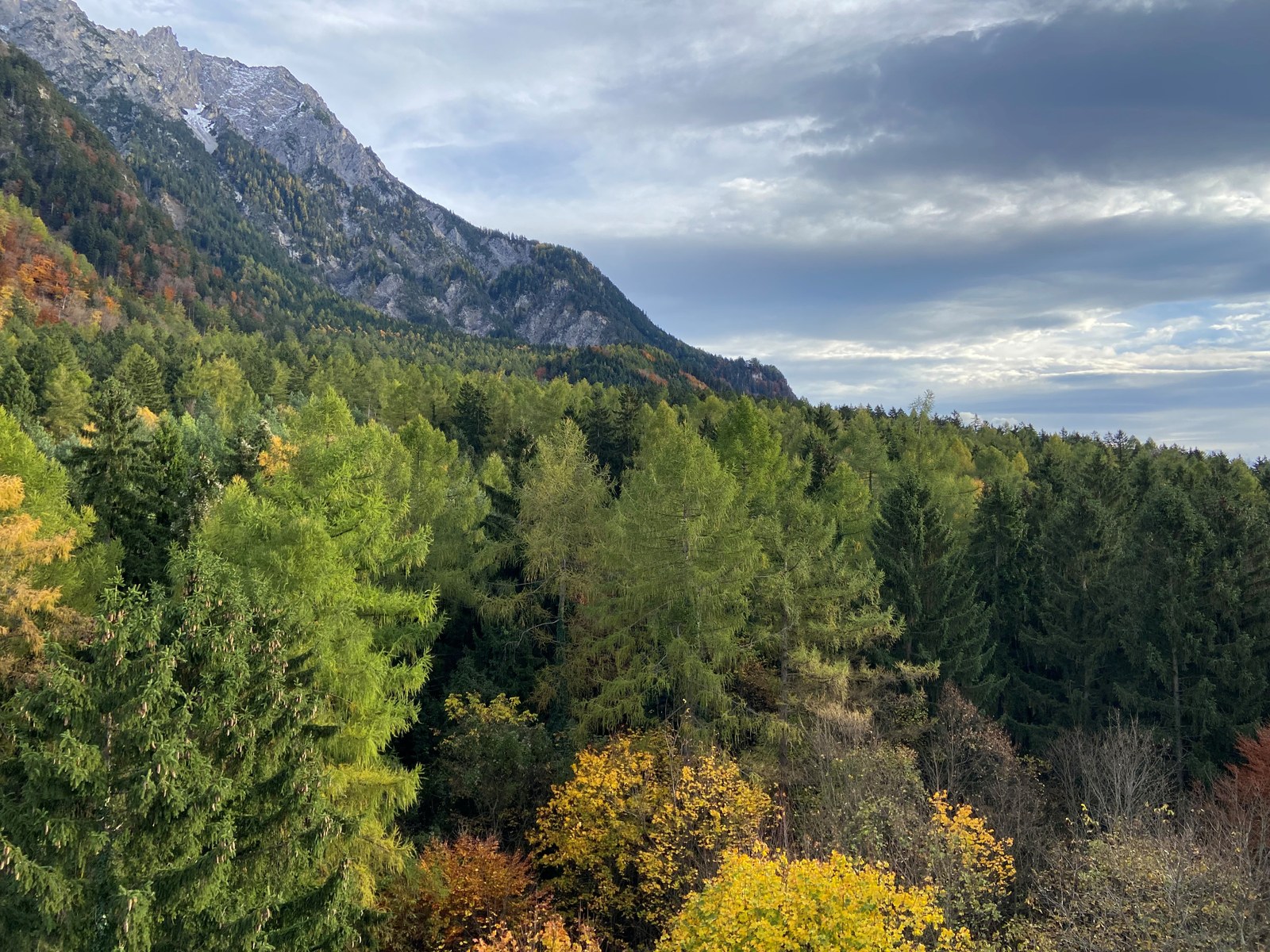
Act now to protect forests: sign the #HandsOffNature petition!
More than 40 percent of the Alpine region is covered by forests. They are not only a defining feature of the landscape, but also a cornerstone of Alpine livelihood, providing building materials, supporting biodiversity, and delivering essential ecosystem services.

Who is CIPRA?
Find out more!
More articles
alpMedia
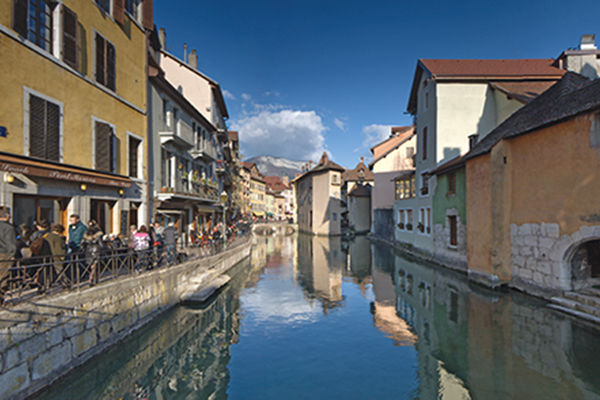
Looking for answers to resource shortages
Resources are finite, including those in the Alps. What solutions are available for living a good life that do not simply depend on ever more consumption? Some answers will be provided at the CIPRA Annual Conference to be held in November 2014 in Annecy, France
alpMedia
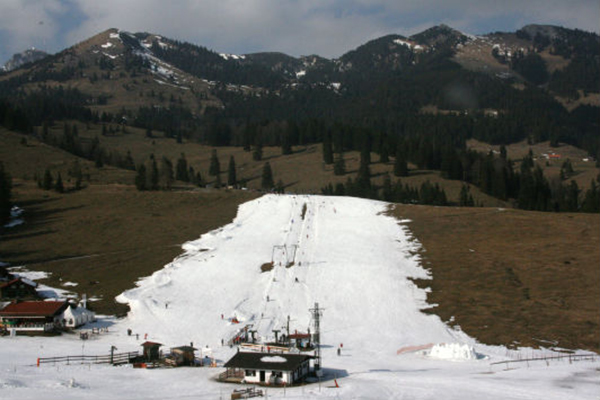
Ski tourism: an insatiable hunger
Gigantic artificial lakes, myriads of snow cannons, secret forest clearances. Ski areas are continuing to expand in all Alpine countries, often using questionable methods and concepts. Below are three examples.
alpMedia
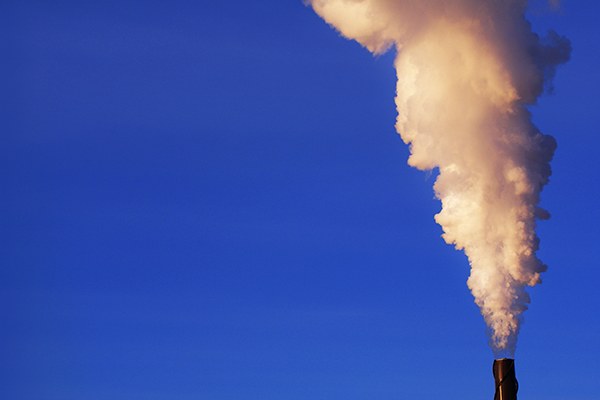
Bad atmosphere in the Alps
Never before have atmospheric CO2 levels been as high as those recorded in April 2014. Many Alpine valleys are suffering from poor air quality. This puts the health of many people in the Rhône-Alpes Region at risk - lower motorway speeds can be part of the solution.
Information for a better Decision-Making
Events
|
Youth Parliament to the Alpine Convention: Climate Resilient Development | ||
|
The Better-Cities Event | Ljubljana | |
|
Local Peaks, Global Learning | online | |
|
Transhumance as Intangible Cultural Heritage of Humanity: A Way Forward? | MUCEM, Marseille/France | |
|
Growing alternative crops for new market opportunities in a changing climate | Vienna/Austria |
Projects
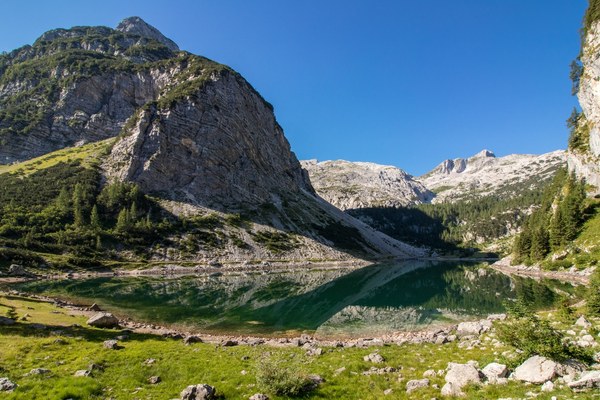
Responsible management of mountain water resources
Mountain regions constitute a unique yet fragile natural environment that provides habitat for numerous rare and endemic species. Their biodiversity is rich, yet highly vulnerable. These areas host a variety of aquatic ecosystems—rivers, streams, lakes, wetlands and peat bogs — which have very limited self-purification capacity and are extremely sensitive to change. Their condition is directly affected by climate change and human activities.
CIPRA International
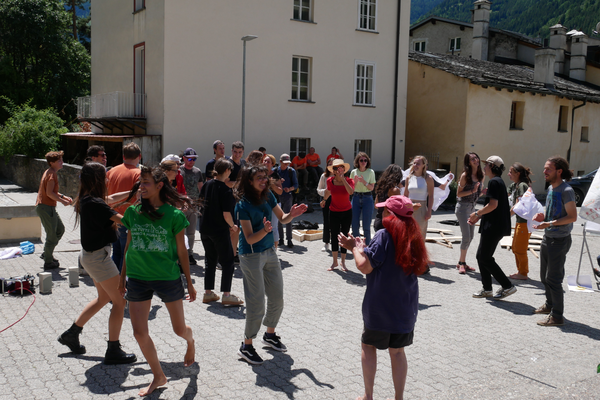
Alpine Changemaker Network
How can we advance eco-social transformation in the Alpine region? The Alpine Changemaker Network project combines Alpine traditions, as reflected in contemporary art, culture and design, with current approaches to overcoming global crises.
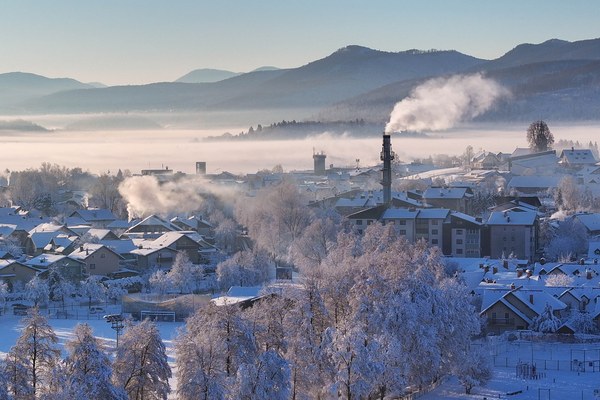
Heating of buildings and air quality 2.0
The project represents a continuation of efforts to reduce air pollution resulting from improper combustion in individual furnaces. Particular attention is paid to the use of outdated wood biomass combustion devices, which contribute significantly to emissions of particles that are harmful to health.