
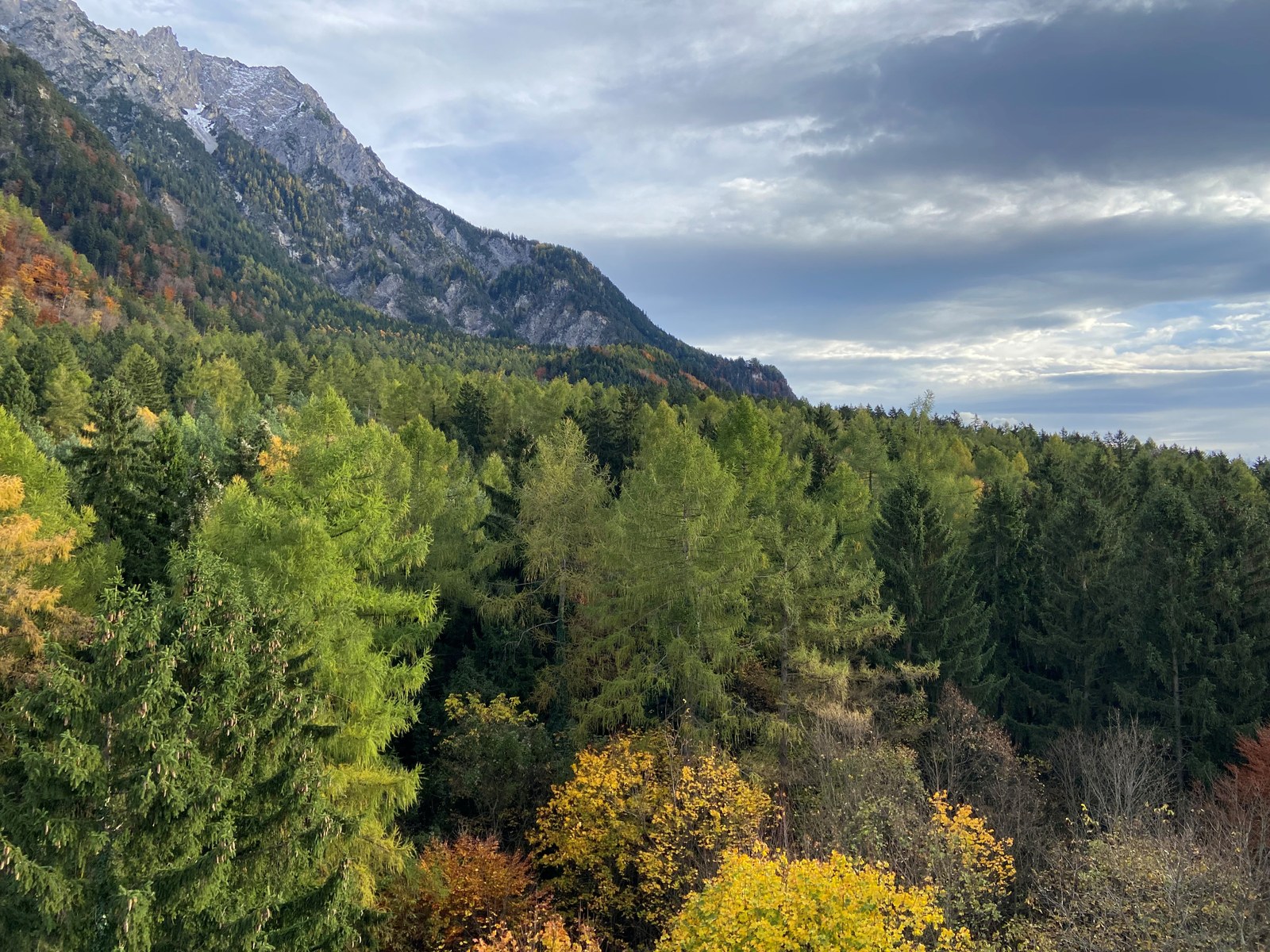
Act now to protect forests: sign the #HandsOffNature petition!
More than 40 percent of the Alpine region is covered by forests. They are not only a defining feature of the landscape, but also a cornerstone of Alpine livelihood, providing building materials, supporting biodiversity, and delivering essential ecosystem services.

Who is CIPRA?
Find out more!
More articles
alpMedia
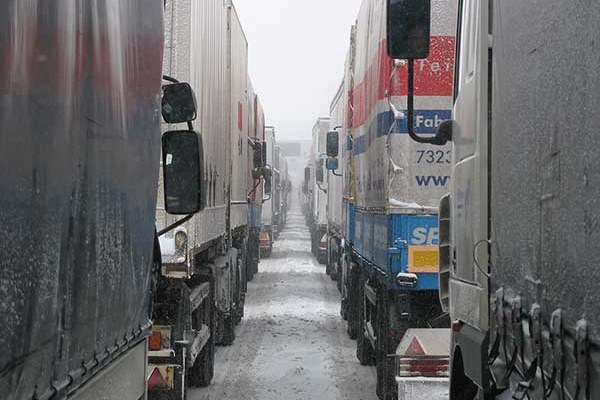
No breathing space in the Alpine regions
As CIPRA South Tyrol has flagged up, EU limits for nitrogen oxides are being massively exceeded in the region. There is an acute need for action, both in South Tyrol and in other Alpine regions.
alpMedia
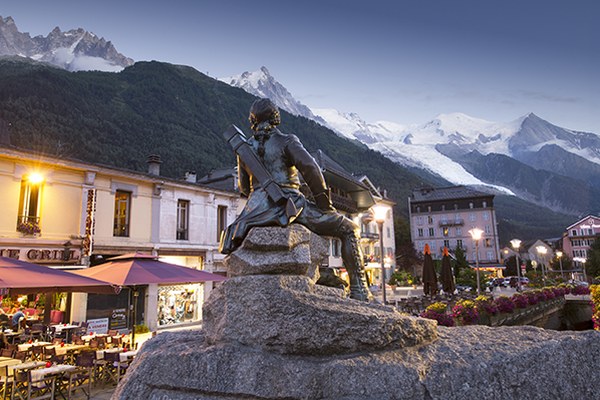
Chamonix is the 2015 “Alpine Town of the Year”
Located at the foot of the highest mountain in the Alps, Chamonix-Mont-Blanc, the “Capital of Alpinism”, has been awarded the title of “Alpine Town of the Year 2015”, mainly in recognition of its nature and climate protection policies.
alpMedia
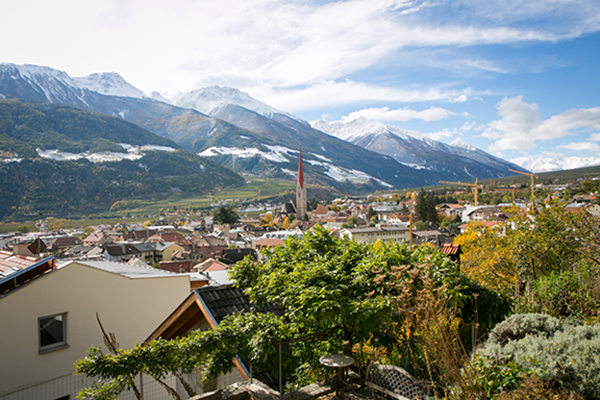
South Tyrol commits itself to the common good
The “economics of the common good” represents a growing trend, including in the Alps. South Tyrol is now putting this into practice.

alpMedia
Criticism of Alpine traffic policies in Brussels
Short-sighted, inadequate, inconsistent: a recently published study commissioned by the European Parliament questions the policies and projects intended to shift freight transport onto rail. Why European support for the Lyon-Turin link is crumbling and why the Swiss electorate will have the last word.
Events
|
Symposium 2: Vernacular Buildings in the Anthropocene | Austrian Academy of Sciences, Vienna (Austria) |
Projects
CIPRA International | CIPRA Deutschland | CIPRA Italia | CIPRA France
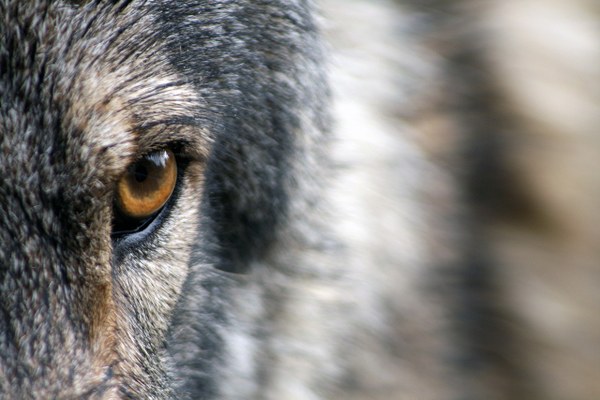
Knowledge transfer on the co-adaptation of humans and wolves in the Alpine region
[Project completed] The return of large carnivores is increasingly causing the fronts to harden between different groups of stakeholders. Among the large carnivores returning to the Alps, the wolf is the most widespread and therefore the most widely debated animal. Wolves are synanthropic animals and cross boundaries - physical as well as intangible ones – regularly. Thus, they have been accompanying and influencing social and cultural processes since time immemorial. In this project, CIPRA has taken on the task to collect, analyse, make available and disseminate knowledge about the co-adaptation of humans and wolves throughout the Alps.