
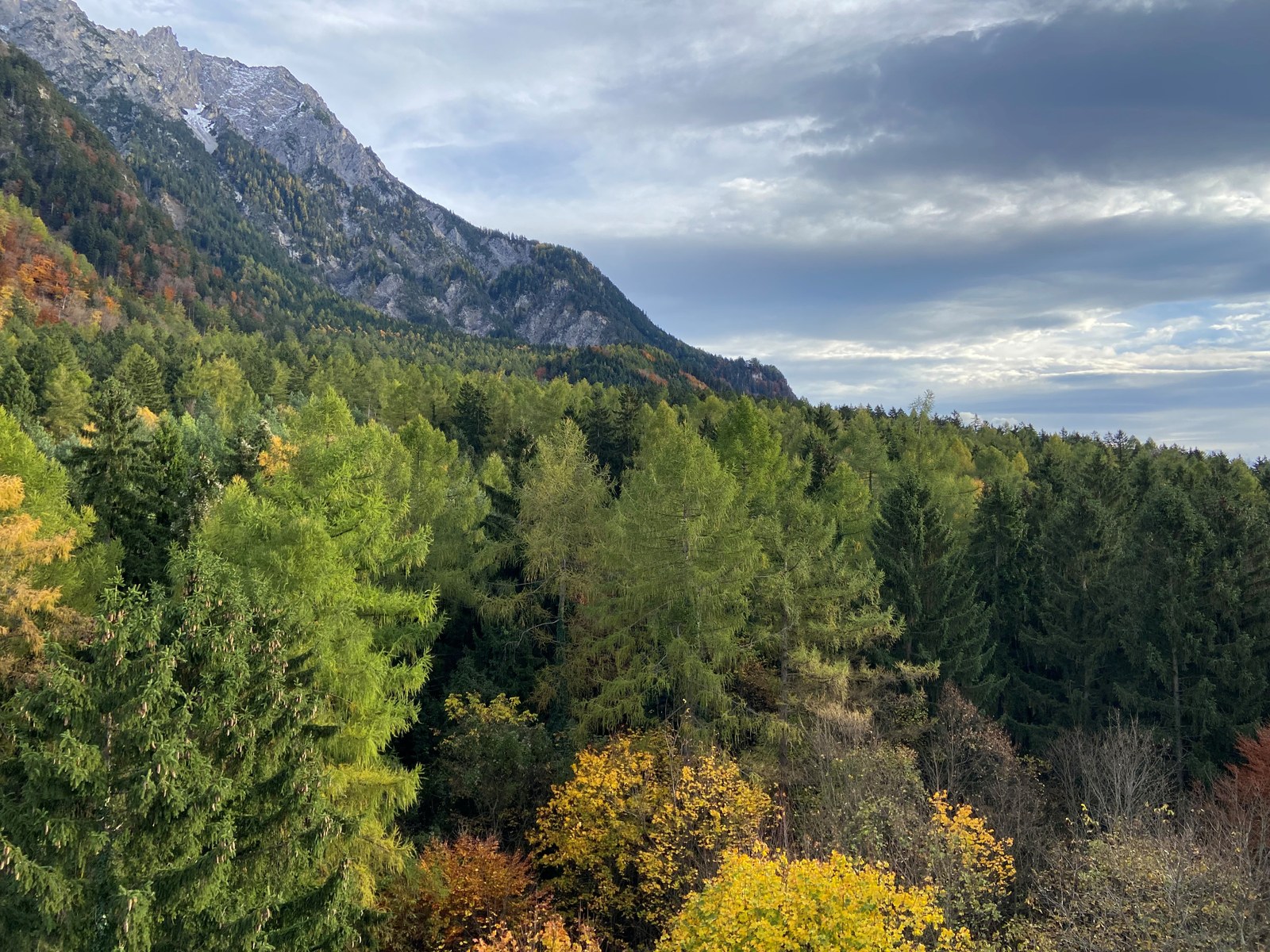
Act now to protect forests: sign the #HandsOffNature petition!
More than 40 percent of the Alpine region is covered by forests. They are not only a defining feature of the landscape, but also a cornerstone of Alpine livelihood, providing building materials, supporting biodiversity, and delivering essential ecosystem services.

Who is CIPRA?
Find out more!
More articles
alpMedia
Alpine regional strategy on the starting blocks
The European strategy for the Alps is ready. There nevertheless remain some challenges to its effective and sustainable implementation.
alpMedia
Swiss reheat Olympic candidacy
Two Swiss cantons, Graubünden (Grisons) and Wallis (Valais), are now competing to host the Winter Olympics – even though voters in Graubünden rejected a proposed candidacy in 2013, and it has already failed several times in Wallis.
alpMedia
Crying wolf?
The protected status of the wolf is being ever more vehemently called into question. French sheep farmers have fuelled the debate further by taking hostages. Those living in the mountains meanwhile remain divided.

alpMedia
Point of view: Change begins in the heart
Claire Simon, Executive Director of CIPRA International, used the occasion of the 2015 CIPRA annual conference to call for more engagement with people and their ways of thinking in order to strengthen the natural and cultural diversity of the Alps.
Events
|
Youth Parliament to the Alpine Convention: Climate Resilient Development | ||
|
The Better-Cities Event | Ljubljana | |
|
Local Peaks, Global Learning | online | |
|
Transhumance as Intangible Cultural Heritage of Humanity: A Way Forward? | MUCEM, Marseille/France | |
|
Growing alternative crops for new market opportunities in a changing climate | Vienna/Austria |
Projects
CIPRA International | CIPRA Deutschland | CIPRA Italia | CIPRA France
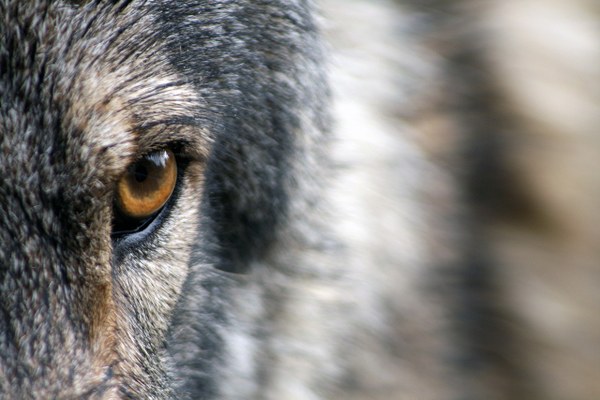
Knowledge transfer on the co-adaptation of humans and wolves in the Alpine region
[Project completed] The return of large carnivores is increasingly causing the fronts to harden between different groups of stakeholders. Among the large carnivores returning to the Alps, the wolf is the most widespread and therefore the most widely debated animal. Wolves are synanthropic animals and cross boundaries - physical as well as intangible ones – regularly. Thus, they have been accompanying and influencing social and cultural processes since time immemorial. In this project, CIPRA has taken on the task to collect, analyse, make available and disseminate knowledge about the co-adaptation of humans and wolves throughout the Alps.