
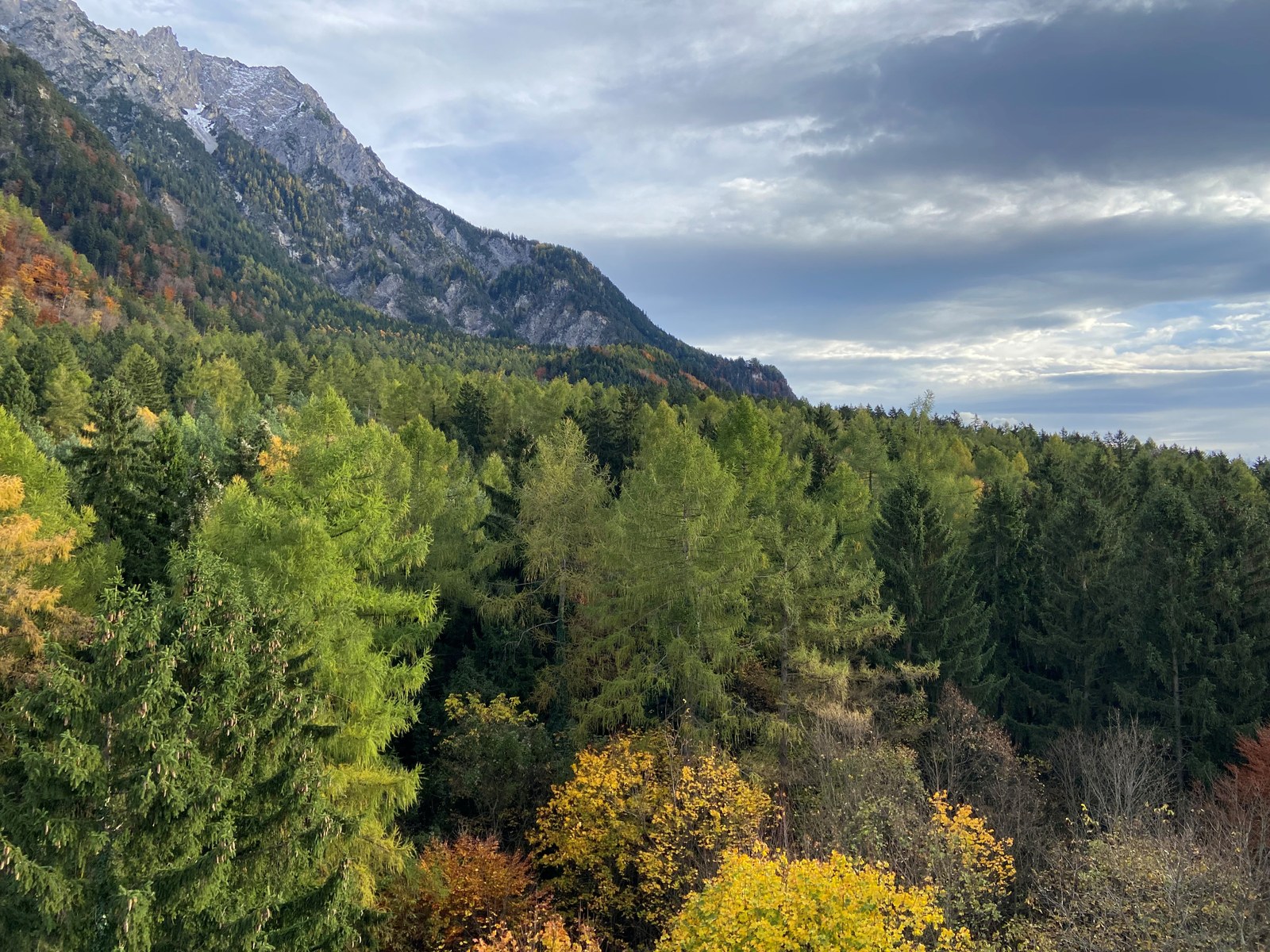
Act now to protect forests: sign the #HandsOffNature petition!
More than 40 percent of the Alpine region is covered by forests. They are not only a defining feature of the landscape, but also a cornerstone of Alpine livelihood, providing building materials, supporting biodiversity, and delivering essential ecosystem services.

Who is CIPRA?
Find out more!
More articles
alpMedia
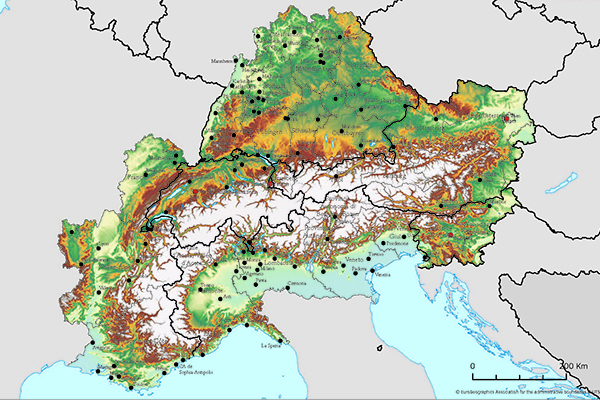
Alpine regional strategy on the starting blocks
The European strategy for the Alps is ready. There nevertheless remain some challenges to its effective and sustainable implementation.
alpMedia
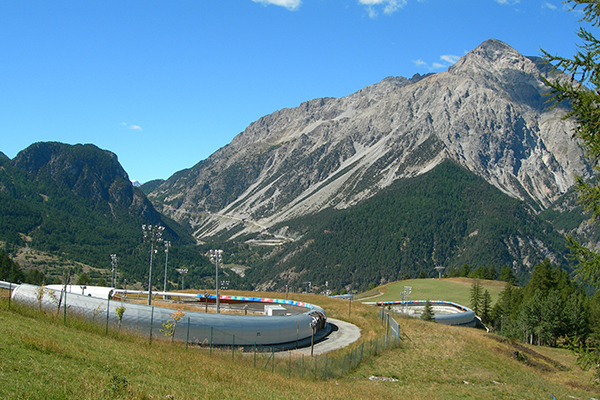
Swiss reheat Olympic candidacy
Two Swiss cantons, Graubünden (Grisons) and Wallis (Valais), are now competing to host the Winter Olympics – even though voters in Graubünden rejected a proposed candidacy in 2013, and it has already failed several times in Wallis.
alpMedia
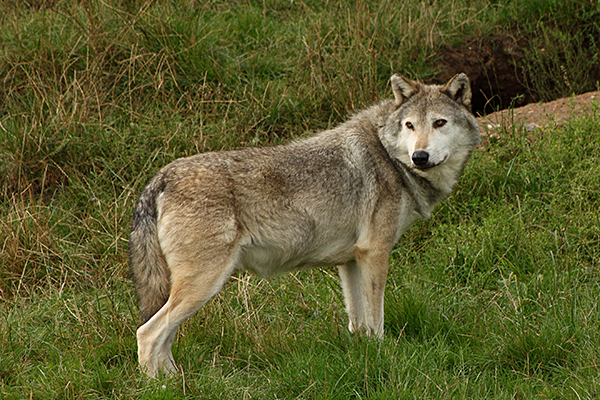
Crying wolf?
The protected status of the wolf is being ever more vehemently called into question. French sheep farmers have fuelled the debate further by taking hostages. Those living in the mountains meanwhile remain divided.

alpMedia
Point of view: Change begins in the heart
Claire Simon, Executive Director of CIPRA International, used the occasion of the 2015 CIPRA annual conference to call for more engagement with people and their ways of thinking in order to strengthen the natural and cultural diversity of the Alps.
Events
|
Symposium 2: Vernacular Buildings in the Anthropocene | Austrian Academy of Sciences, Vienna (Austria) |
Projects
CIPRA International
CultureAlps
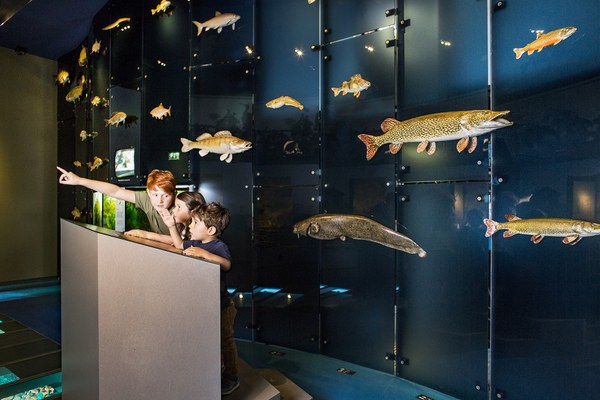
When art and culture give climate protection a fresh lick of paint: the Erasmus+ project “CultureAlps: connect, share, act!” opens up new ways of climate communication and collaboration.
CIPRA International Lab
LiveAlpsNature
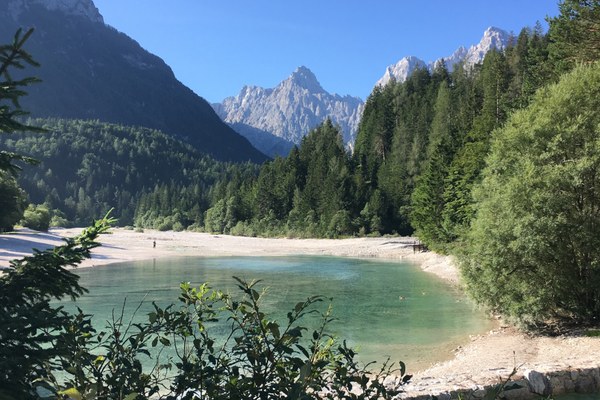
The LiveAlpsNature project contributes to the preservation of biodiversity in Alpine protected areas, which are increasingly being used for nature and health tourism. To this end, the project team is developing new visitor guidance concepts and leisure activities and integrating them into digital platforms.
CIPRA International Lab
AlpsLife – observe globally, act locally
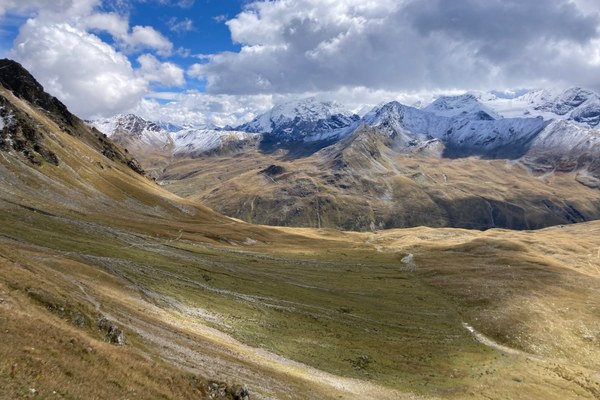
The successful protection of biodiversity in the Alps is only sustainable through Alpine-wide monitoring and management. This is the aim of the AlpsLife project.