
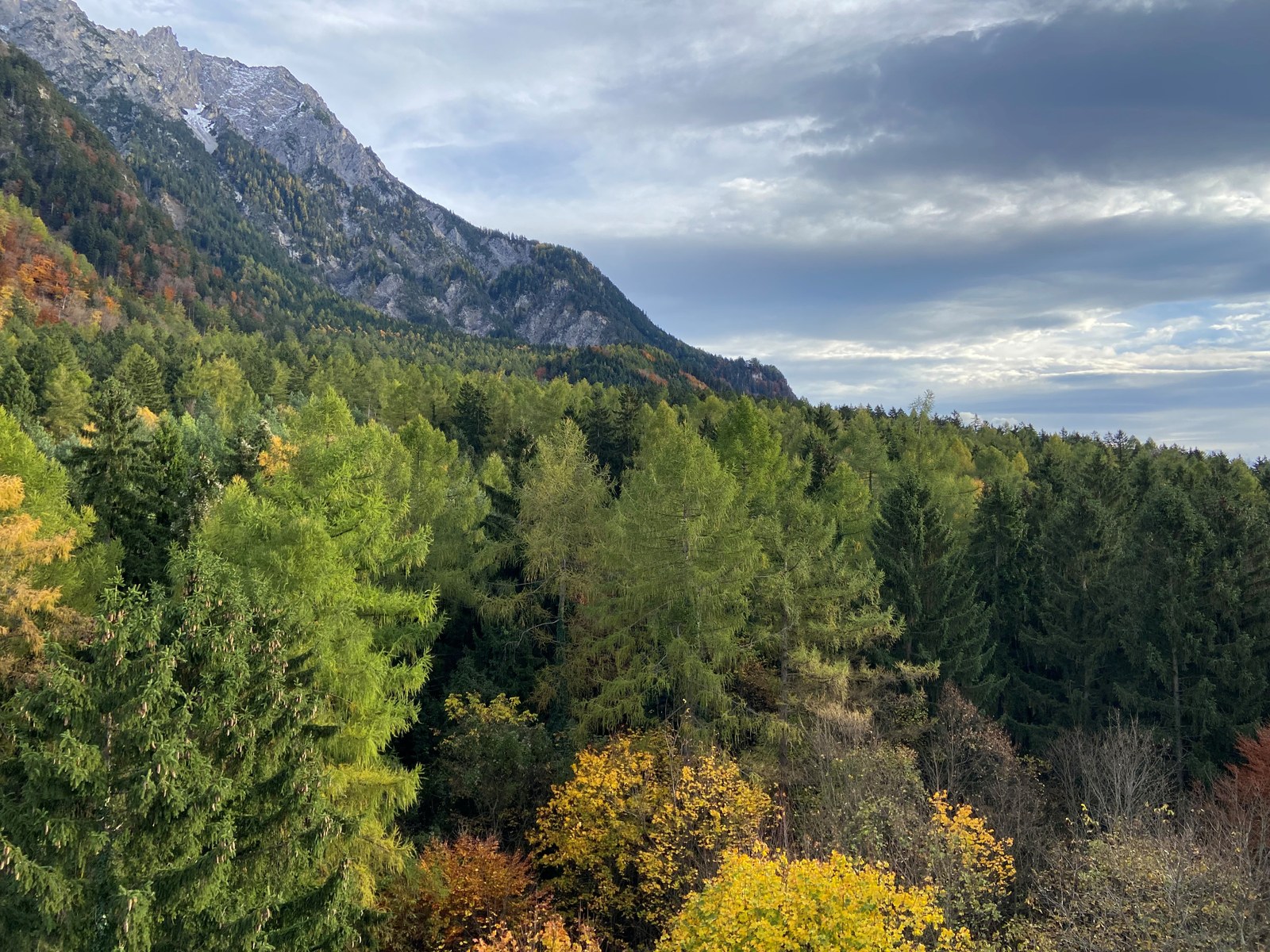
Act now to protect forests: sign the #HandsOffNature petition!
More than 40 percent of the Alpine region is covered by forests. They are not only a defining feature of the landscape, but also a cornerstone of Alpine livelihood, providing building materials, supporting biodiversity, and delivering essential ecosystem services.

Who is CIPRA?
Find out more!
More articles
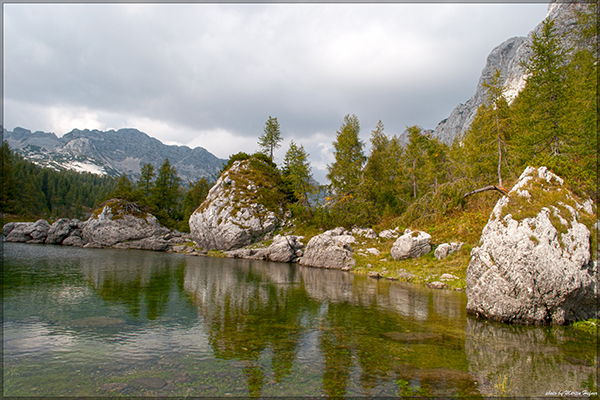
Foundations laid for Triglav National Park
It has taken 16 years, but the management plan for Slovenia’s only national park is now ready. The participatory process has ensured that it is broad-based in nature.
Open Alps 2017
The end of 2016 saw the announcement of the winners of the 2017 “Open Alps” human rights award. This honour is given to individuals or groups who actively work for the rights of refugees, immigrants, socially disadvantaged persons and threatened minorities in Europe.

Sad, but true
Tignes, located in the French Alps, is responding to the retreat of glaciers, and thus of the available ski pistes, with a very special project of its own:

CIPRA International
New project financing ensures a sound basis
Migration, youth participation, mobility, spatial planning: CIPRA International has recently received assurances for the financing of projects in these areas. Here is an overview.
Events
|
Symposium 2: Vernacular Buildings in the Anthropocene | Austrian Academy of Sciences, Vienna (Austria) |
Projects
CIPRA International | CIPRA Deutschland | CIPRA Italia | CIPRA France
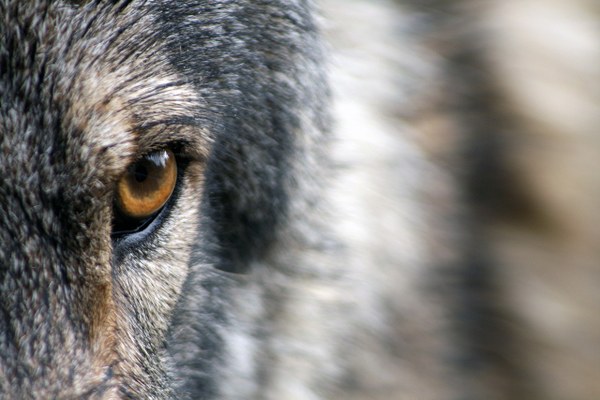
Knowledge transfer on the co-adaptation of humans and wolves in the Alpine region
[Project completed] The return of large carnivores is increasingly causing the fronts to harden between different groups of stakeholders. Among the large carnivores returning to the Alps, the wolf is the most widespread and therefore the most widely debated animal. Wolves are synanthropic animals and cross boundaries - physical as well as intangible ones – regularly. Thus, they have been accompanying and influencing social and cultural processes since time immemorial. In this project, CIPRA has taken on the task to collect, analyse, make available and disseminate knowledge about the co-adaptation of humans and wolves throughout the Alps.