
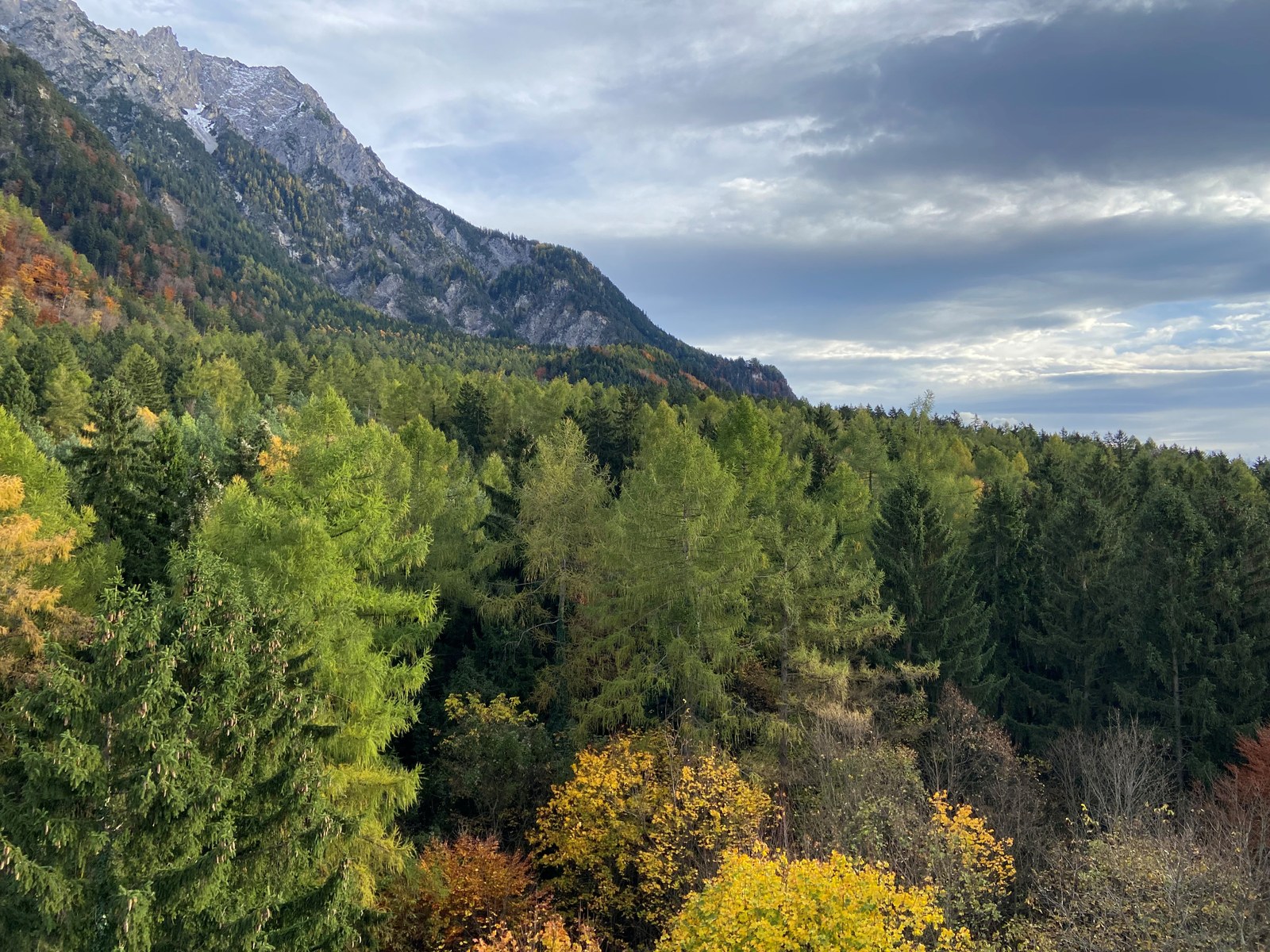
Act now to protect forests: sign the #HandsOffNature petition!
More than 40 percent of the Alpine region is covered by forests. They are not only a defining feature of the landscape, but also a cornerstone of Alpine livelihood, providing building materials, supporting biodiversity, and delivering essential ecosystem services.

Who is CIPRA?
Find out more!
More articles
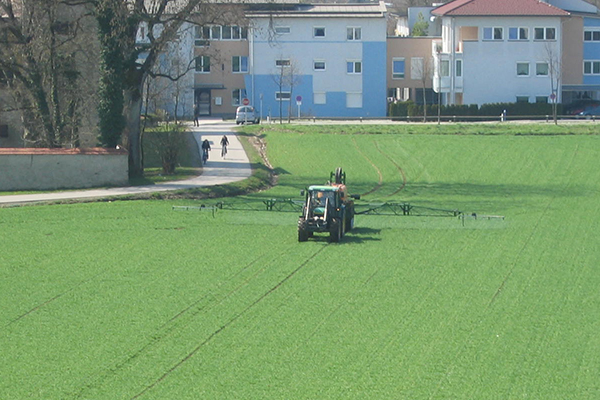
Pesticides: a tug of war
Pesticides damage the environment, threaten useful species like bees, pollute the water in the Alps, while some are suspected of causing cancer. They nevertheless appear to be indispensable in conventional agriculture.
Oh...
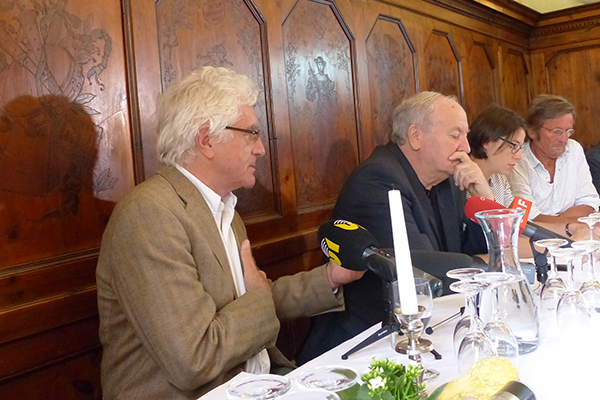
Reliable partnerships right across the Alps
CIPRA Austria, CIPRA Germany, CIPRA South Tyrol. Right now the cable car industry is all about superlatives. Indeed, the “world’s greatest glacier ski area” is to be created by linking up the ski resorts in the Austrian Pitztal and Ötztal valleys.
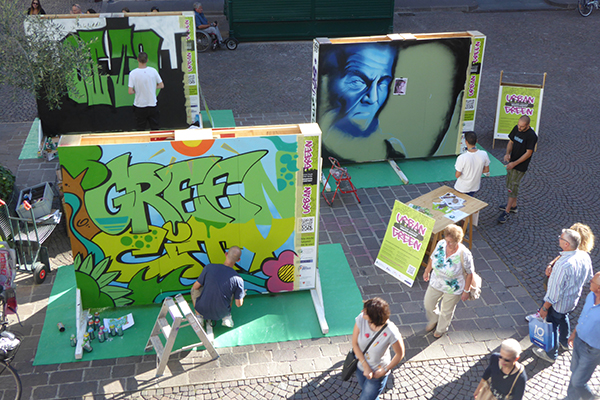
Spray-painting for environmental protection
CIPRA South Tyrol. Urban Green – How does the young generation imagine its city of the future?
Events
|
Youth Parliament to the Alpine Convention: Climate Resilient Development | ||
|
The Better-Cities Event | Ljubljana | |
|
Local Peaks, Global Learning | online | |
|
Transhumance as Intangible Cultural Heritage of Humanity: A Way Forward? | MUCEM, Marseille/France | |
|
Growing alternative crops for new market opportunities in a changing climate | Vienna/Austria |
Projects
CIPRA International
CultureAlps
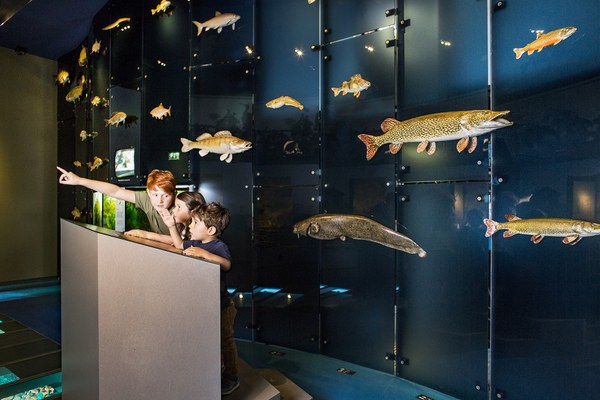
When art and culture give climate protection a fresh lick of paint: the Erasmus+ project “CultureAlps: connect, share, act!” opens up new ways of climate communication and collaboration.
CIPRA International Lab
LiveAlpsNature
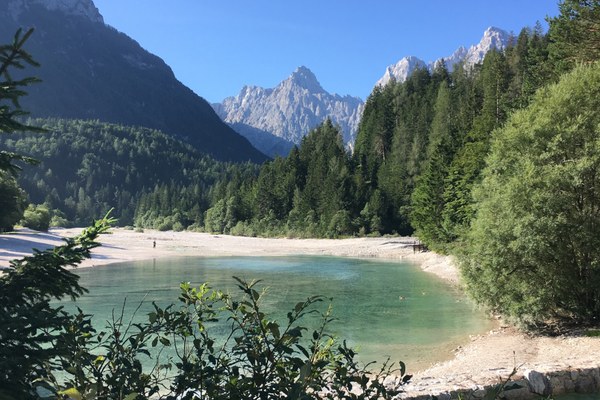
The LiveAlpsNature project contributes to the preservation of biodiversity in Alpine protected areas, which are increasingly being used for nature and health tourism. To this end, the project team is developing new visitor guidance concepts and leisure activities and integrating them into digital platforms.
CIPRA International Lab
AlpsLife – observe globally, act locally
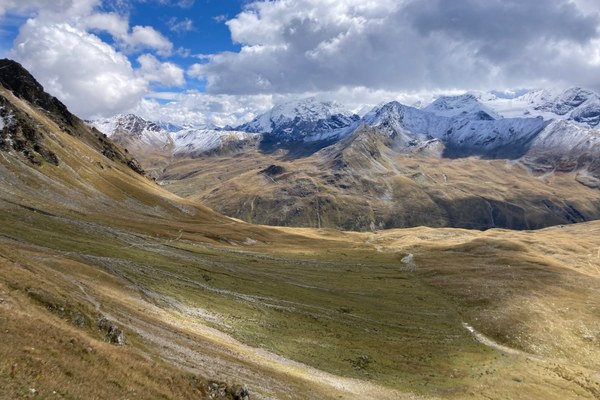
The successful protection of biodiversity in the Alps is only sustainable through Alpine-wide monitoring and management. This is the aim of the AlpsLife project.