
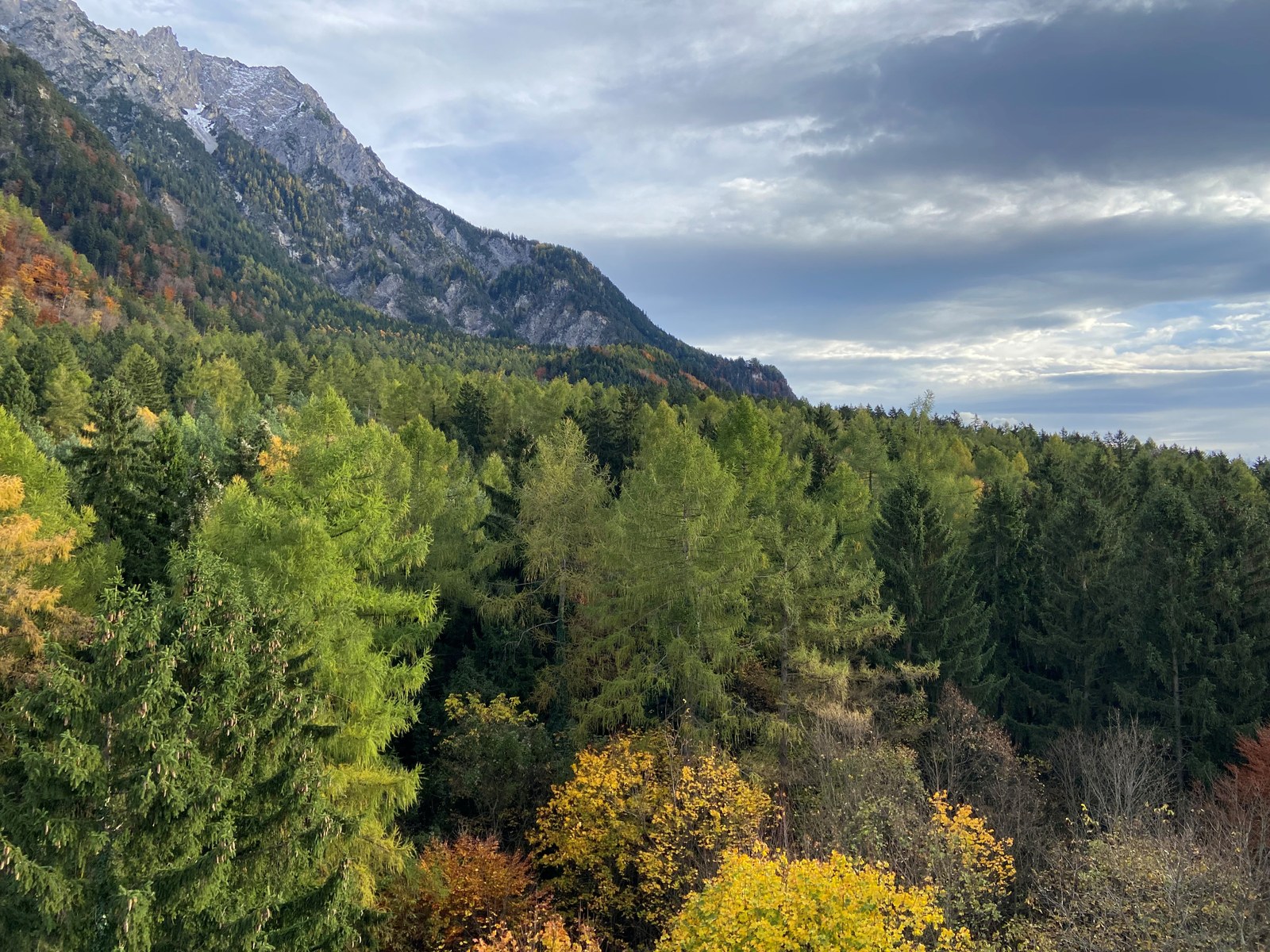
Act now to protect forests: sign the #HandsOffNature petition!
More than 40 percent of the Alpine region is covered by forests. They are not only a defining feature of the landscape, but also a cornerstone of Alpine livelihood, providing building materials, supporting biodiversity, and delivering essential ecosystem services.

Who is CIPRA?
Find out more!
More articles
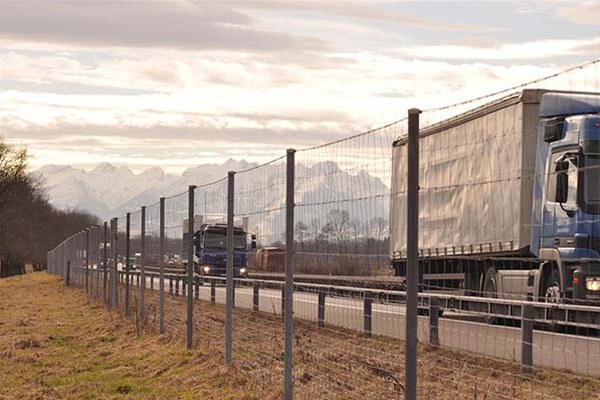
Together against transit traffic
CIPRA Italy. While most of Italy is surrounded by the Mediterranean, to the north the country is encircled by a wide arc formed by the Alps. Goods shipped to Italy via sea routes are distributed onwards throughout Europe from Italy, with European products shipped out through Italian ports.
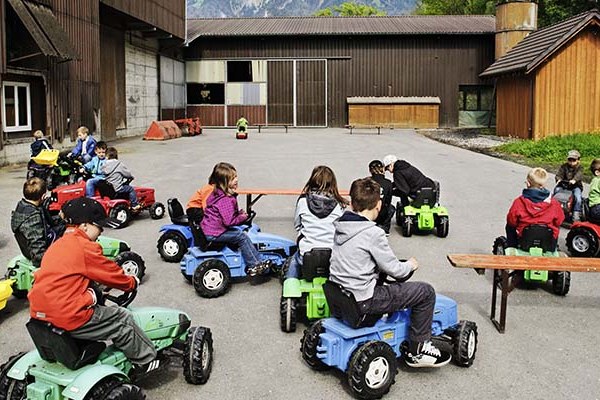
Laughing, walking and learning from each other
CIPRA Slovenia. Increasingly, children are now being driven to school by their parents. CIPRA Slovenia is working to counter that trend by working with the Institute for Spatial Policies and the Association for Sustainable Development. And thanks to the Pedibus, schoolchildren get to exercise – and have more opportunities for contact with children of the same age.
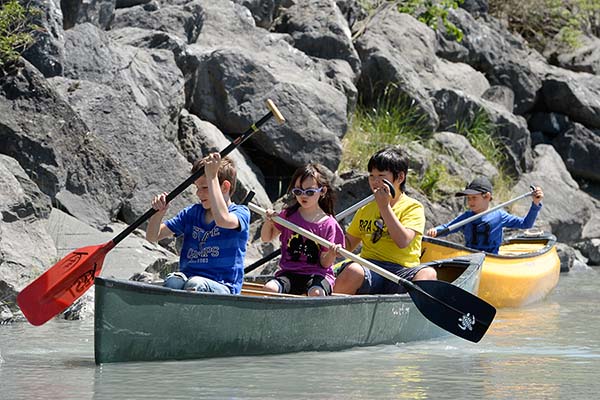
The Alpine Rhine fête
CIPRA Liechtenstein. Taming Europe’s biggest torrent began some two hundred years ago. Today, the Alpine Rhine is a canal, its course lined for the most part by intensively used farmland and residual pockets of wetland forest.
Think globally, act locally
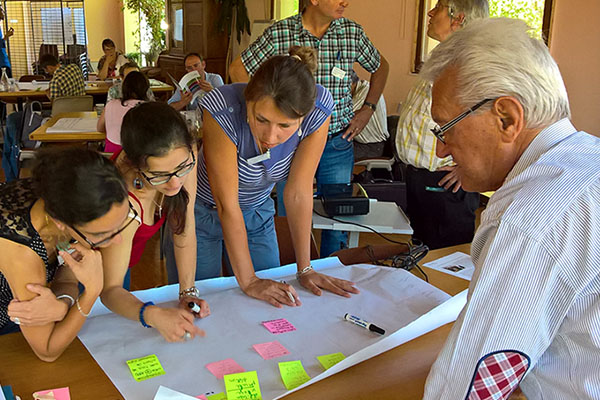
CIPRA France. The European Strategy for the Alps (Eusalp) examines answers to challenges such as demographic change, economic globalisation, climate change, and energy transition.
Events
|
Youth Parliament to the Alpine Convention: Climate Resilient Development | ||
|
The Better-Cities Event | Ljubljana | |
|
Local Peaks, Global Learning | online | |
|
Transhumance as Intangible Cultural Heritage of Humanity: A Way Forward? | MUCEM, Marseille/France | |
|
Growing alternative crops for new market opportunities in a changing climate | Vienna/Austria |
Projects
Responsible management of mountain water resources
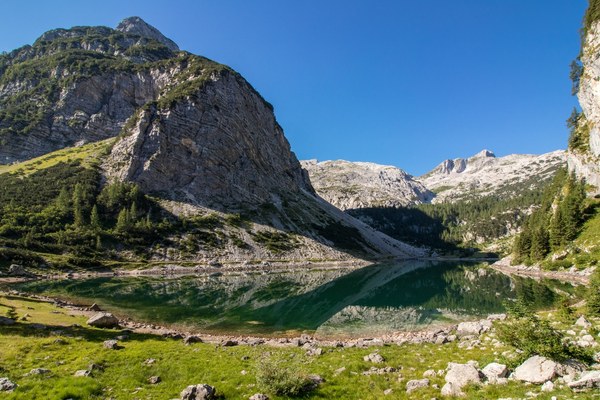
Mountain regions constitute a unique yet fragile natural environment that provides habitat for numerous rare and endemic species. Their biodiversity is rich, yet highly vulnerable. These areas host a variety of aquatic ecosystems—rivers, streams, lakes, wetlands and peat bogs — which have very limited self-purification capacity and are extremely sensitive to change. Their condition is directly affected by climate change and human activities.
CIPRA International
Alpine Changemaker Network
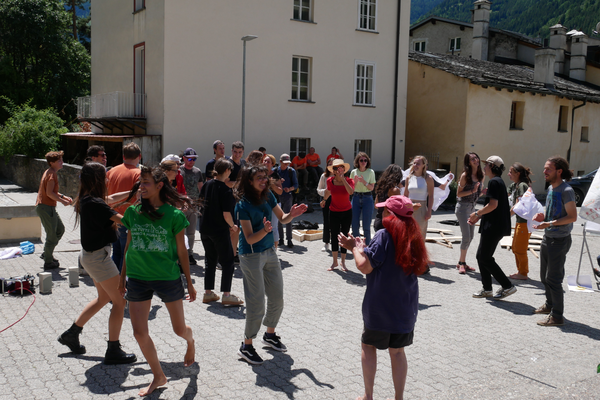
How can we advance eco-social transformation in the Alpine region? The Alpine Changemaker Network project combines Alpine traditions, as reflected in contemporary art, culture and design, with current approaches to overcoming global crises.
Heating of buildings and air quality 2.0
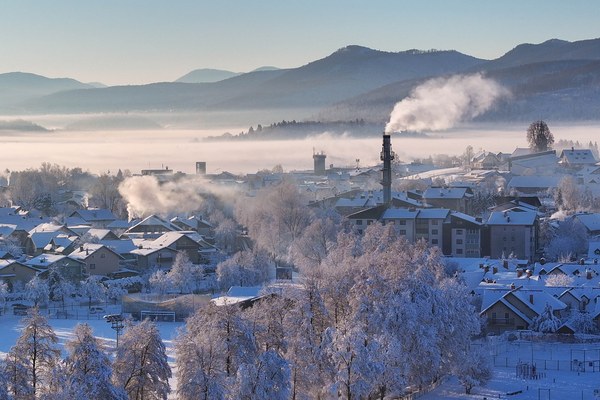
The project represents a continuation of efforts to reduce air pollution resulting from improper combustion in individual furnaces. Particular attention is paid to the use of outdated wood biomass combustion devices, which contribute significantly to emissions of particles that are harmful to health.