
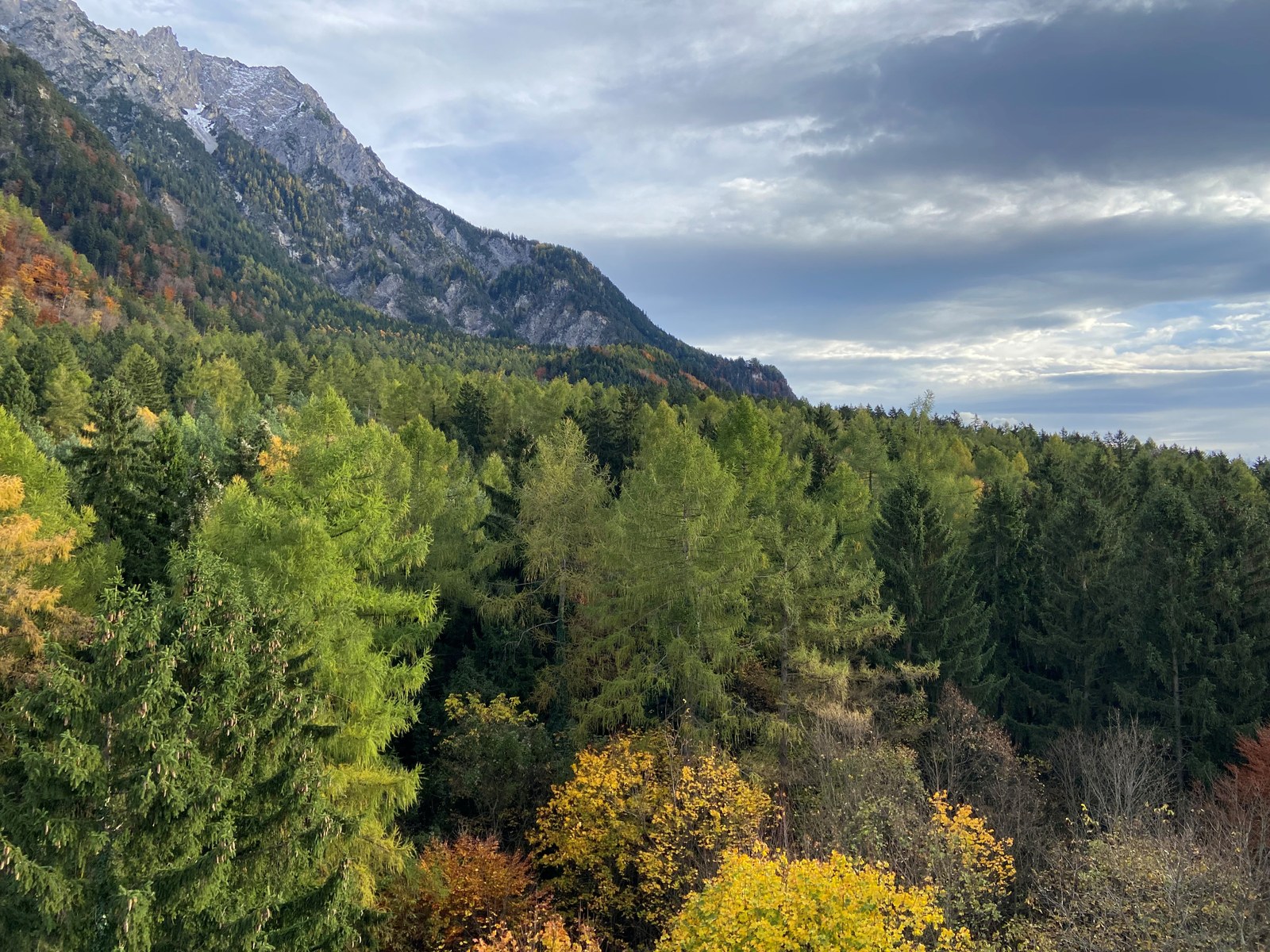
Act now to protect forests: sign the #HandsOffNature petition!
More than 40 percent of the Alpine region is covered by forests. They are not only a defining feature of the landscape, but also a cornerstone of Alpine livelihood, providing building materials, supporting biodiversity, and delivering essential ecosystem services.

Who is CIPRA?
Find out more!
More articles
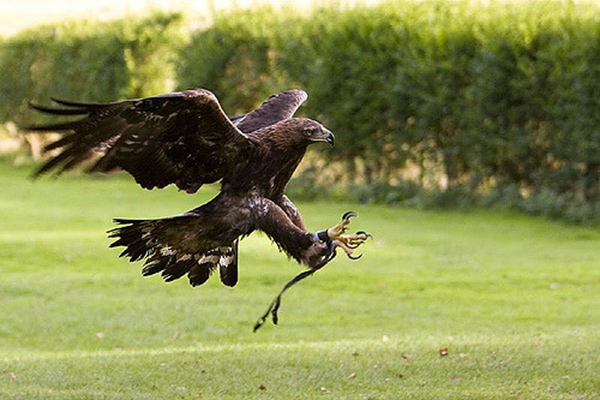
Strange but true...
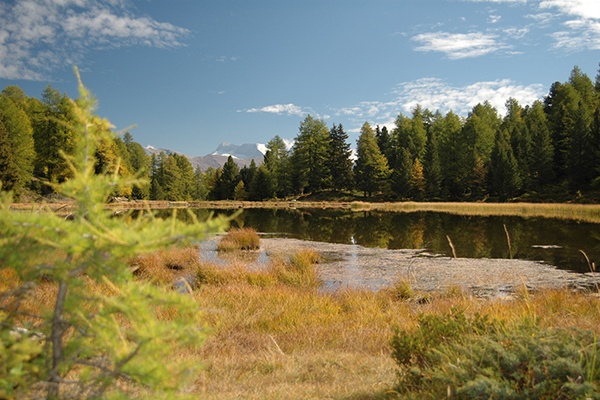
Bogs – a way out of the climate swamp
One hectare of bog can store as much CO2 as a car produces in a year. The Alps suffer from some of the world’s heaviest traffic – yet fewer and fewer intact bogs remain.
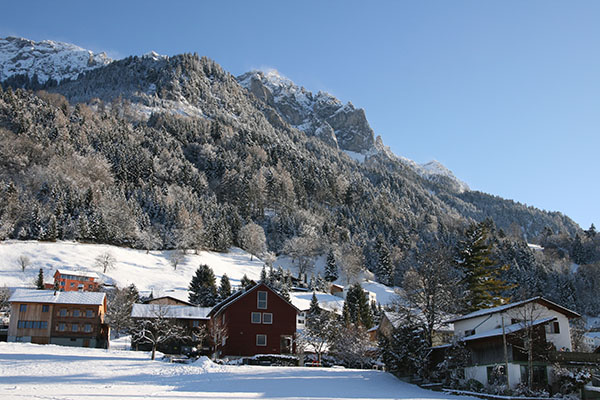
How intact ecosystems improve our quality of life
Nature provides us with enormous benefits. The AlpES project draws on the concept of ecosystem services in order to record these in the Alpine regions and increase their appreciation.
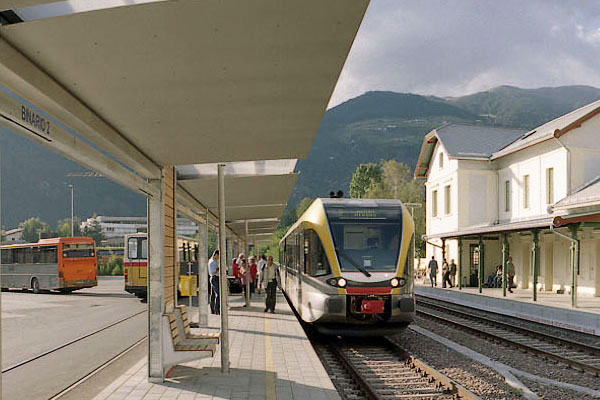
Solutions for borderless commuter mobility
Traffic jams, convoy controls, fine dust pollution and the Brenner base tunnel: while the problems of transit and goods traffic accumulate on political agendas, commuter cars remain stuck in queues.
Events
|
Symposium 2: Vernacular Buildings in the Anthropocene | Austrian Academy of Sciences, Vienna (Austria) |
Projects
CIPRA International
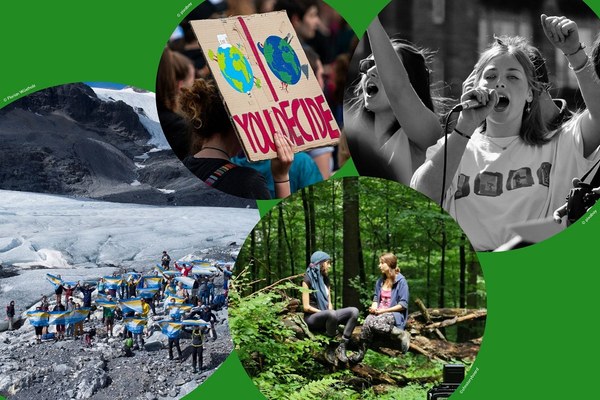
Alpine Climate Action
[Project completed] From classic forms of political participation to creative methods of non-violent civil resistance: in four online workshops, young adults learn about a range of political engagement – and how they can use it to campaign for climate protection.
CIPRA International
Saving:Soils
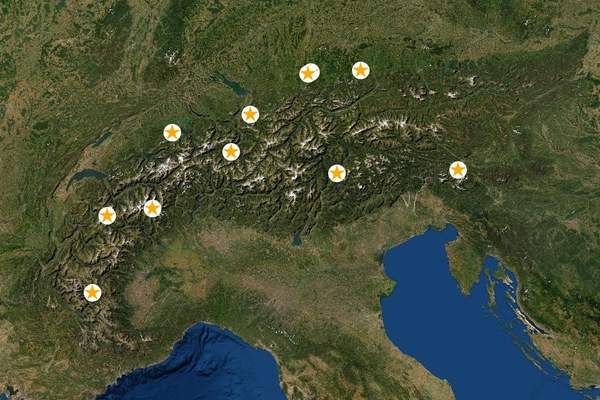
[Project completed] With its project “Saving:Soils”, CIPRA is working for a trend reversal in the use of land in peri-urban areas in order to put scientific findings into practice, make pilot examples visible and encourage imitation.
CIPRA International
Alpine Convention - Sectoral development of the Green Economy in the Alpine region
[Project completed] Promoting environmentally sustainable growth while recognising ecological limits: the Green Economy is low-carbon, resource-efficient and socially inclusive. This form of economy preserves the Alpine ecosystem while making use of existing natural capital.