
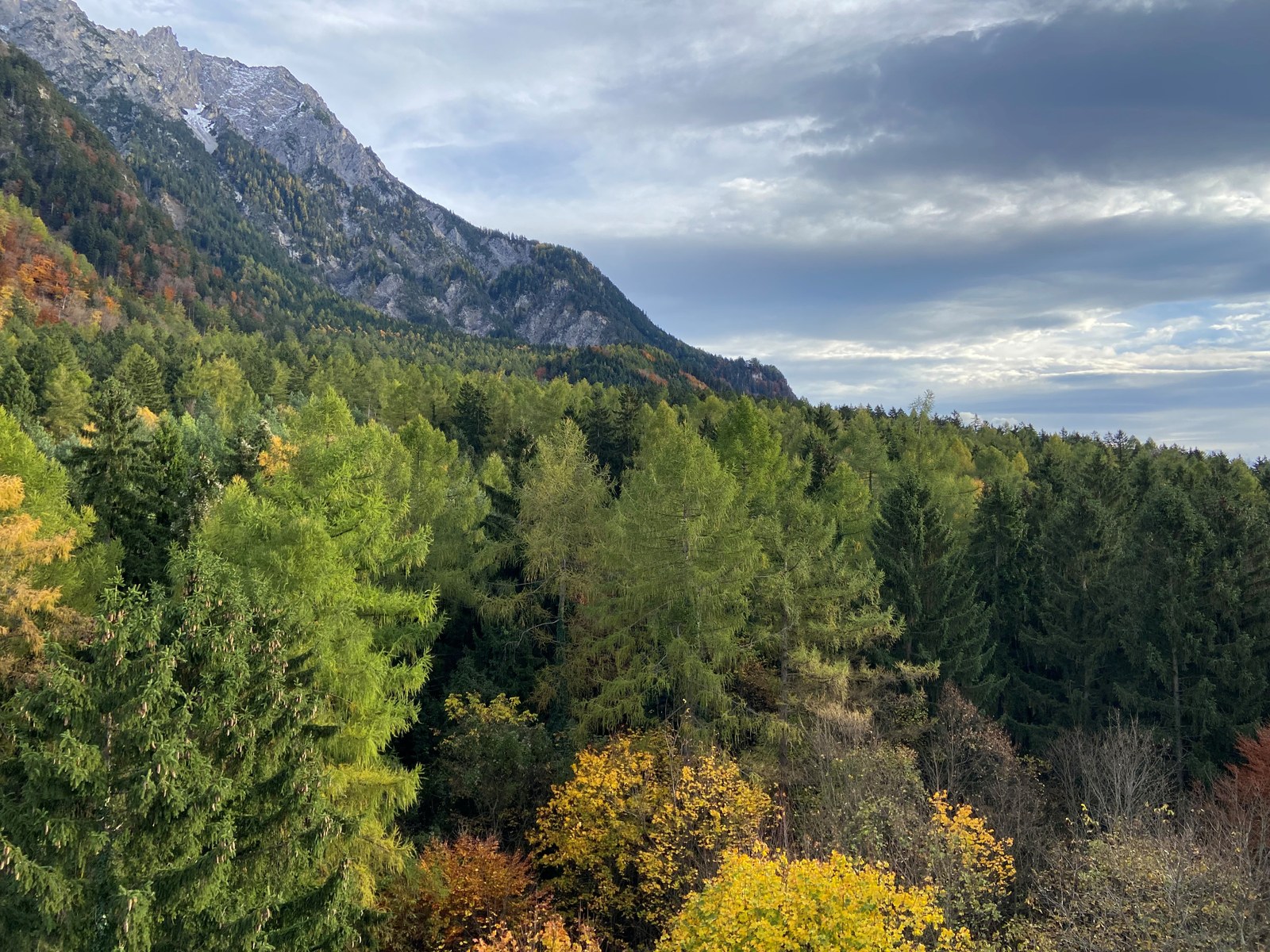
Act now to protect forests: sign the #HandsOffNature petition!
More than 40 percent of the Alpine region is covered by forests. They are not only a defining feature of the landscape, but also a cornerstone of Alpine livelihood, providing building materials, supporting biodiversity, and delivering essential ecosystem services.

Who is CIPRA?
Find out more!
More articles
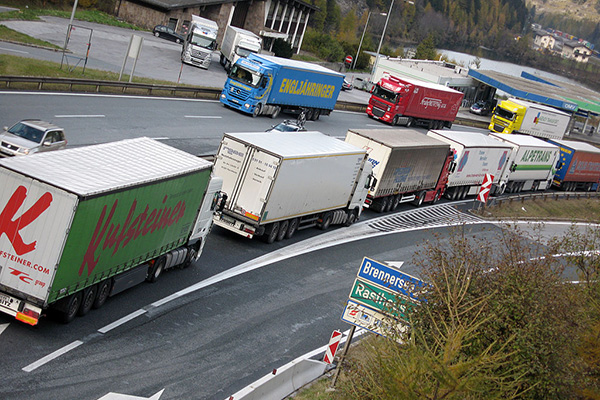
The Brenner Pass: transit trouble
The year 2017 saw record numbers of trucks crossing the Brenner Pass. Now there is an opportunity to find a solution to the problem.
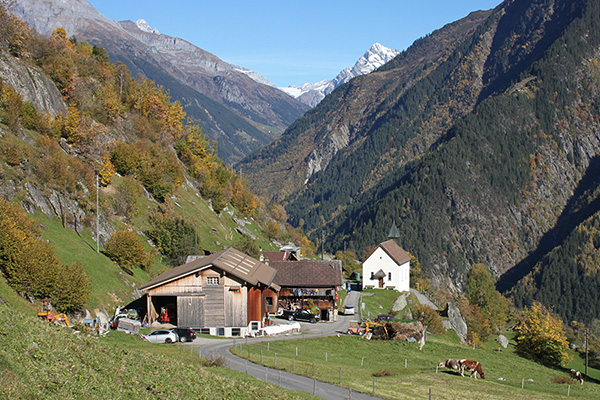
Rejuvenation of mountain farms
Fewer and fewer young people want to become farmers. If no one is willing to inherit and take on the running of a farm, it will close. There is a lack of both recognition and incentives – from EU policy through to searching for partners.
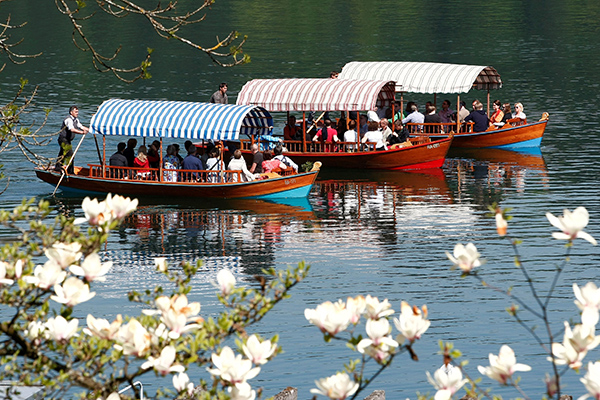
Between the desire for relaxation and the pressure for development
Few topics provoke such heated debates as Alpine tourism. At the end of May 2018 CIPRA International and the «Alliance in the Alps» network of municipalities will be providing an opportunity to exchange ideas and opinions in Bled, Slovenia.
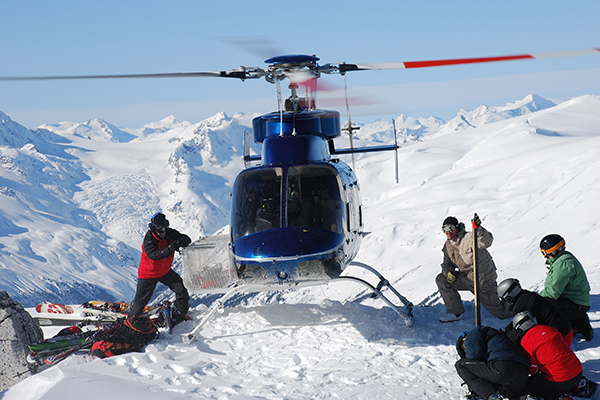
Departure time for helicopters
At a time of declining winter tourism, heli-skiing brings in extra income. While sports enthusiasts might pay a few hundred euros, nature pays a high price.
Events
|
Youth Parliament to the Alpine Convention: Climate Resilient Development | ||
|
The Better-Cities Event | Ljubljana | |
|
Local Peaks, Global Learning | online | |
|
Transhumance as Intangible Cultural Heritage of Humanity: A Way Forward? | MUCEM, Marseille/France | |
|
Growing alternative crops for new market opportunities in a changing climate | Vienna/Austria |
Projects
CIPRA Deutschland | CIPRA France
DINAMO
[Project competed] In many rural areas of the Alps, public transport services are inadequate for daily needs and tourism development. In some remote mountain regions, this is one of the reasons why there is a considerable amount of car traffic, especially on weekends, public holidays and during rush hours. There are various reasons for this, including the high cost of public transport solutions due to low population density, inadequate public transport options (such as timetables, accessibility, connectivity, travel time and costs) and political and social preferences in favour of private motorised transport.

CIPRA International Lab
LISTEN
The LISTEN project is analysing the use of space in suburbs on the basis of three pilot regions in Belgium, Sweden and Austria. CIPRA Lab GmbH is working together with partners from research and regional stakeholders.
CIPRA International Lab
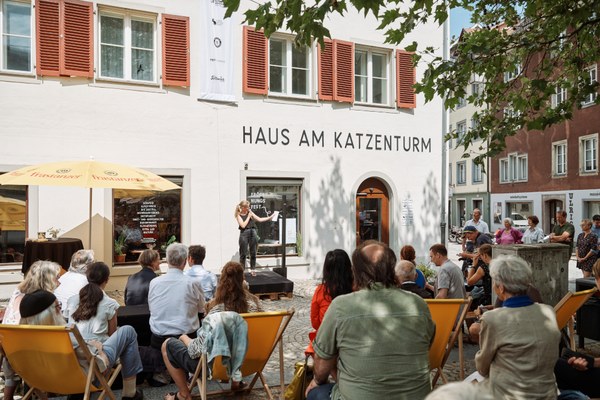
Haus am Katzenturm Association
[Project completed] Along with the association of the same name in Feldkirch/A, the “Haus am Katzenturm” networks NGOs from the environmental and nature conservation sector in the Lake Constance region and makes their topics accessible to a broad public.