
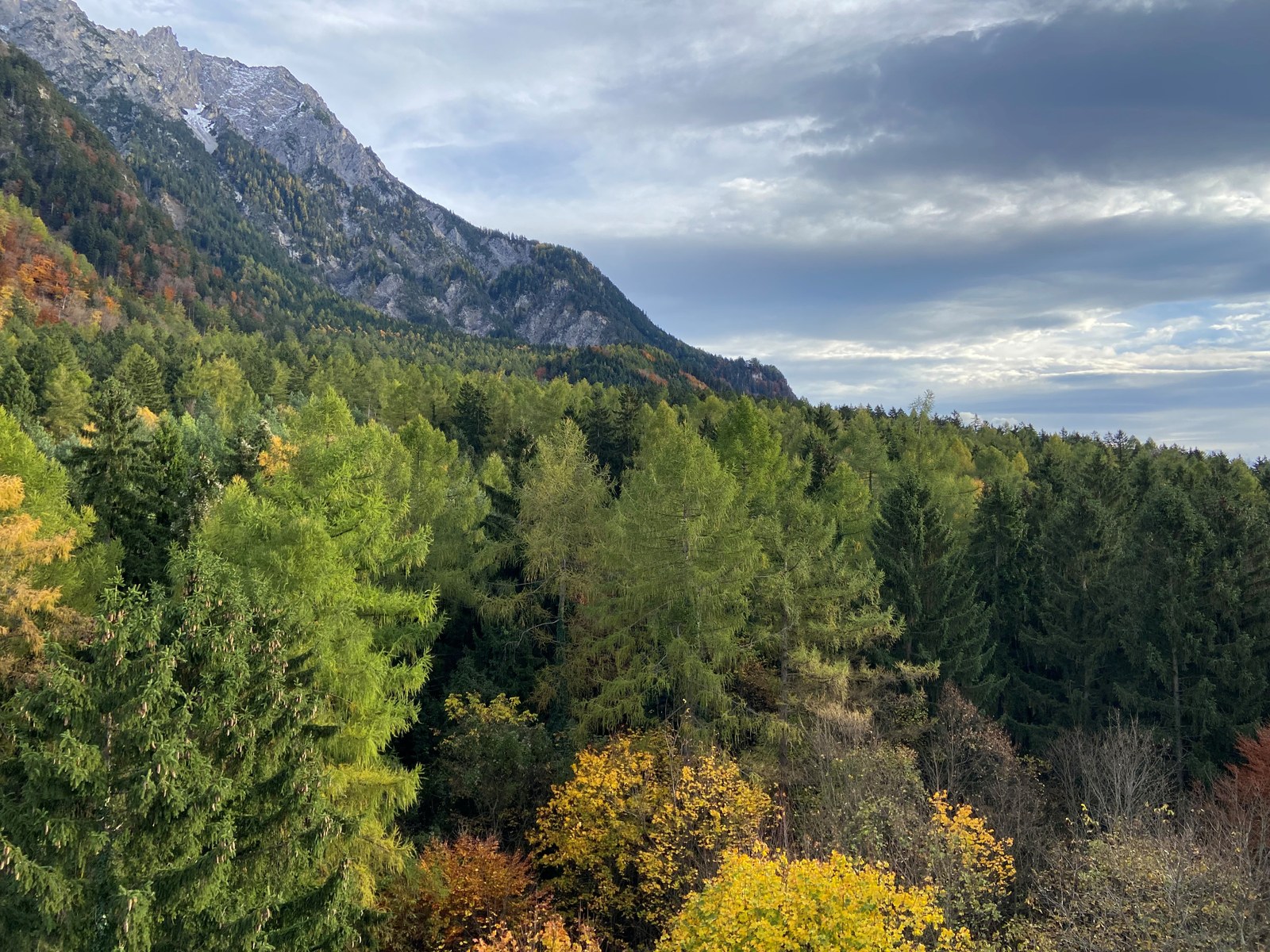
Act now to protect forests: sign the #HandsOffNature petition!
More than 40 percent of the Alpine region is covered by forests. They are not only a defining feature of the landscape, but also a cornerstone of Alpine livelihood, providing building materials, supporting biodiversity, and delivering essential ecosystem services.

Who is CIPRA?
Find out more!
More articles
alpMedia
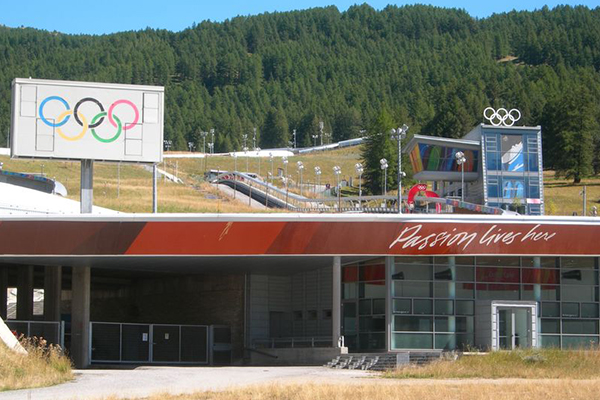
Winter Olympics: return to the Alps in 2026?
In early January 2019 the Italian cities of Milan and Cortina d’Ampezzo submitted a joint bid, facing off with Stockholm in Sweden in the race to host the Winter Olympics. The IOC will make its decision in June.
alpMedia
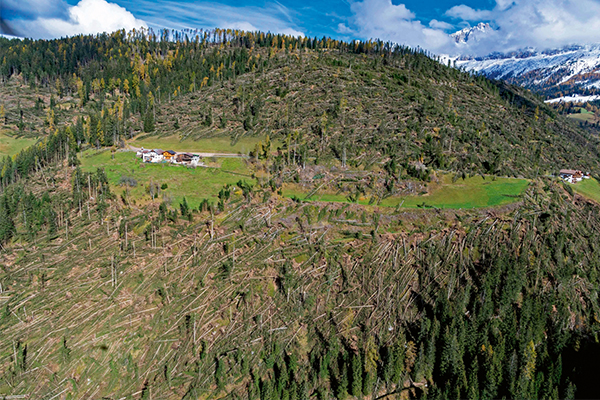
Ecosystems out of balance
Storms, drought, floods, mudslides and avalanches: many Alpine regions were affected by extreme natural events in 2018. The first measures are already in place to ensure better management.

alpMedia
Researching the Alps
They are probably among the most thoroughly researched mountain areas on Earth, yet the spirit of research in the Alps remains undiminished: November 2018 saw the opening of a new Centre for Mountain Research in the Swiss city of Sion.
Venturing into the unknown
In her report Christine Eben would write: ‘Once again we formed mixed groups, in terms of both age and nationality, just as we had in our previous workshops that had proved so successful. As it’s all about future developments, exchanging ideas with young people is all the more important.’
Events
|
Youth Parliament to the Alpine Convention: Climate Resilient Development | ||
|
The Better-Cities Event | Ljubljana | |
|
Local Peaks, Global Learning | online | |
|
Transhumance as Intangible Cultural Heritage of Humanity: A Way Forward? | MUCEM, Marseille/France | |
|
Growing alternative crops for new market opportunities in a changing climate | Vienna/Austria |
Projects
CIPRA International | CIPRA Deutschland | CIPRA Italia | CIPRA France
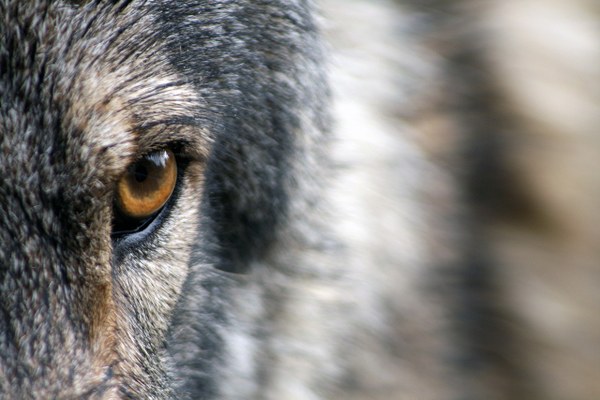
Knowledge transfer on the co-adaptation of humans and wolves in the Alpine region
[Project completed] The return of large carnivores is increasingly causing the fronts to harden between different groups of stakeholders. Among the large carnivores returning to the Alps, the wolf is the most widespread and therefore the most widely debated animal. Wolves are synanthropic animals and cross boundaries - physical as well as intangible ones – regularly. Thus, they have been accompanying and influencing social and cultural processes since time immemorial. In this project, CIPRA has taken on the task to collect, analyse, make available and disseminate knowledge about the co-adaptation of humans and wolves throughout the Alps.