
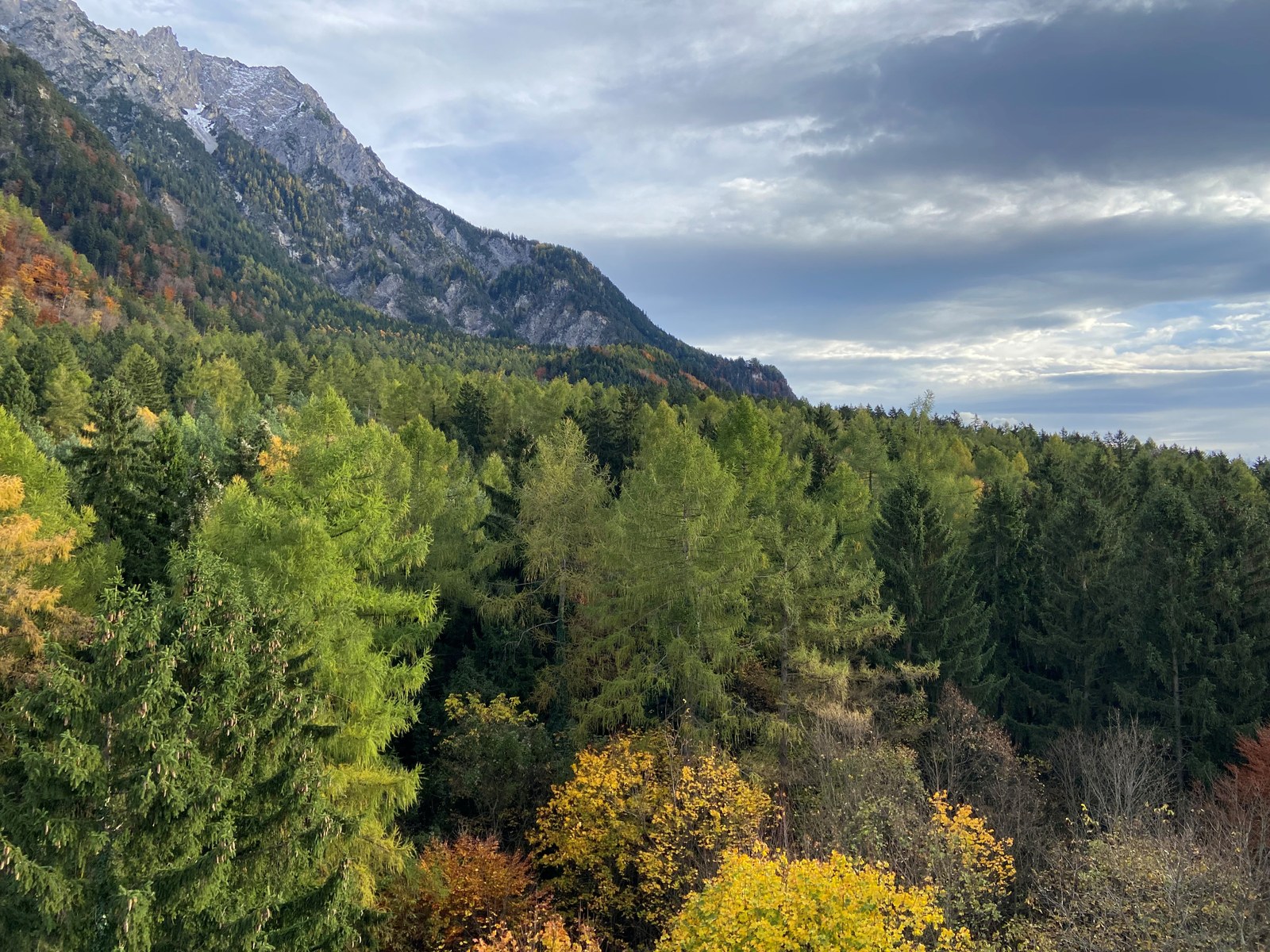
Act now to protect forests: sign the #HandsOffNature petition!
More than 40 percent of the Alpine region is covered by forests. They are not only a defining feature of the landscape, but also a cornerstone of Alpine livelihood, providing building materials, supporting biodiversity, and delivering essential ecosystem services.

Who is CIPRA?
Find out more!
More articles
alpMedia
The key to local development
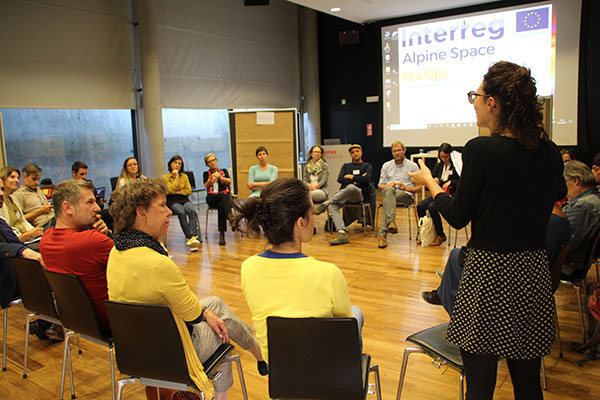
Pluralism as a strength of the Alps: ten organisations have committed themselves to this as part of the PlurAlps project. They presented their findings at the final conference held in Bolzano/I, including an innovation toolbox for integration together with policy recommendations.
alpMedia
The Alps as cultural laboratory
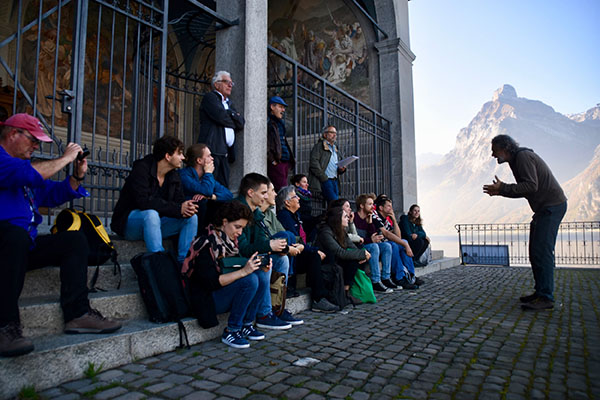
Inspiration, shared experiences and participation: the annual CIPRA conference saw over 100 attendees from every Alpine country meet in Altdorf/CH at the end of October 2019 to discuss the “Alpine Cultural Workshop”. The event was organised by CIPRA International and CIPRA Switzerland.
alpMedia
Budding ideas and flourishing projects
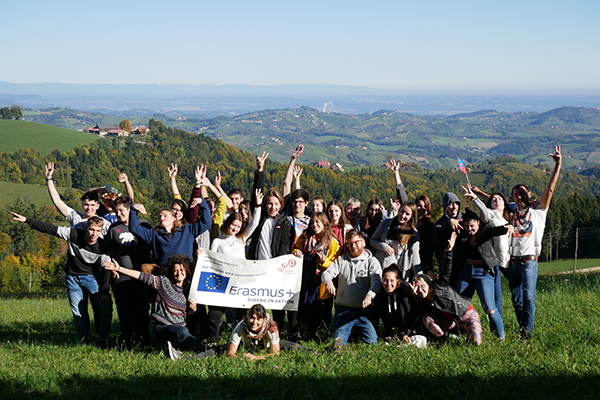
Building raised plant beds, converting parking spaces, replacing plastic bottles: at the end of the local project, young people from Schaan/LI travelled by train to Maribor/Sl and presented their actions aimed at a more sustainable lifestyle.
alpMedia
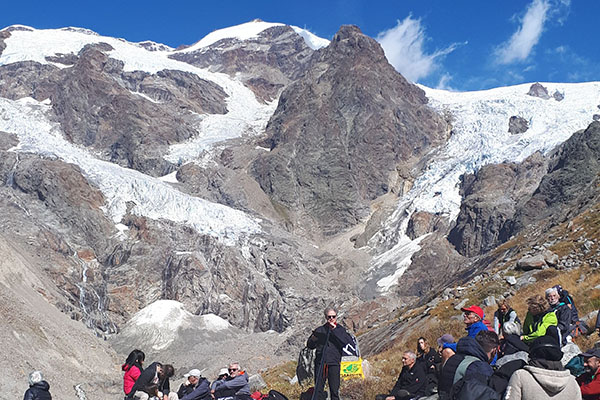
Solemn vigils for dying glaciers
Many Alpine glaciers have already disappeared due to global warming. In September 2019, vigils in Italy and Switzerland drew attention to this fact.
Events
|
Symposium 2: Vernacular Buildings in the Anthropocene | Austrian Academy of Sciences, Vienna (Austria) |
Projects
CIPRA International | CIPRA Deutschland | CIPRA Italia | CIPRA France
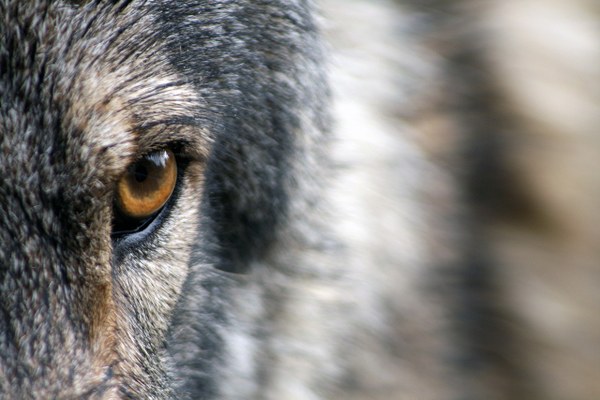
Knowledge transfer on the co-adaptation of humans and wolves in the Alpine region
[Project completed] The return of large carnivores is increasingly causing the fronts to harden between different groups of stakeholders. Among the large carnivores returning to the Alps, the wolf is the most widespread and therefore the most widely debated animal. Wolves are synanthropic animals and cross boundaries - physical as well as intangible ones – regularly. Thus, they have been accompanying and influencing social and cultural processes since time immemorial. In this project, CIPRA has taken on the task to collect, analyse, make available and disseminate knowledge about the co-adaptation of humans and wolves throughout the Alps.