
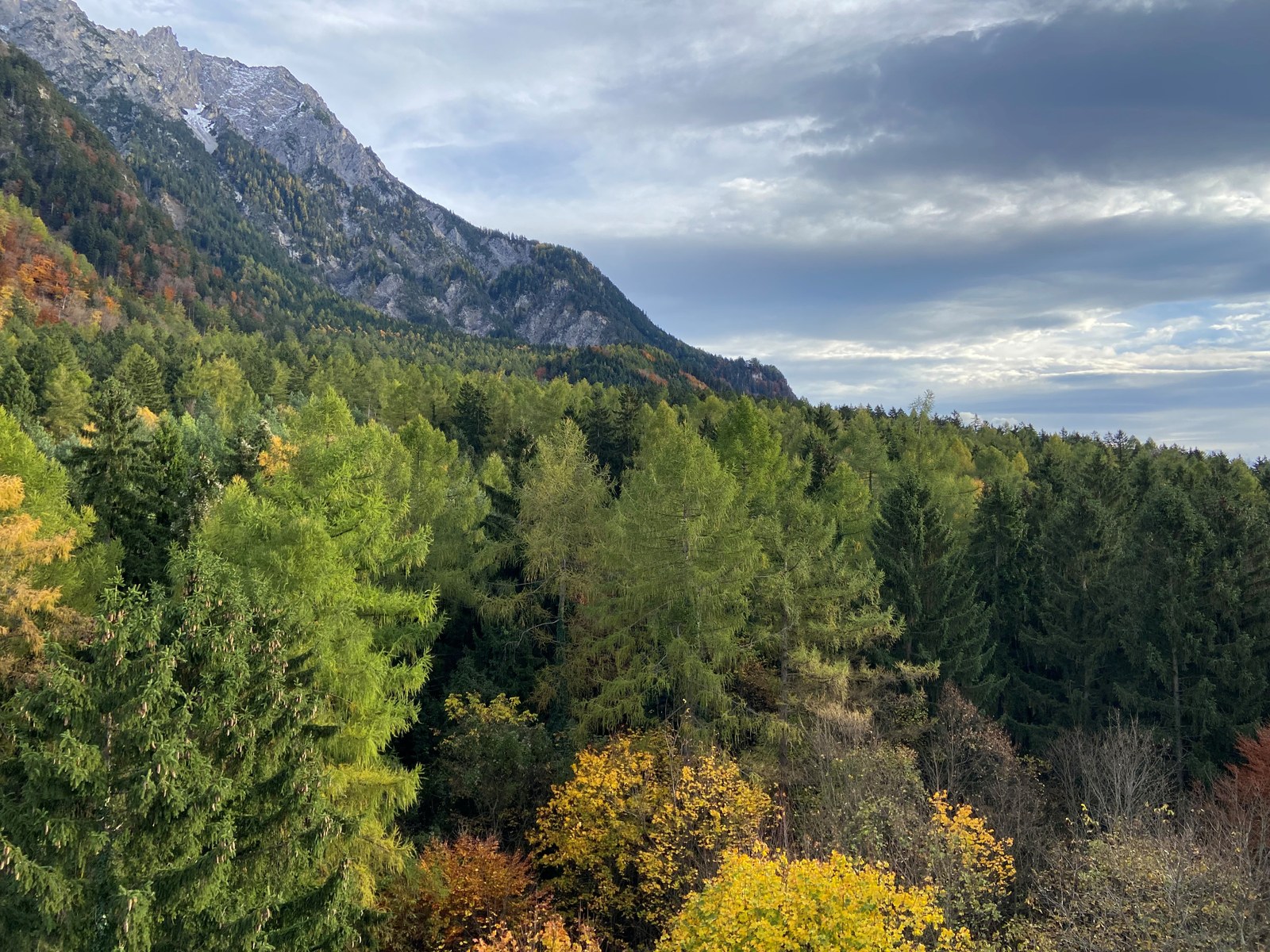
Act now to protect forests: sign the #HandsOffNature petition!
More than 40 percent of the Alpine region is covered by forests. They are not only a defining feature of the landscape, but also a cornerstone of Alpine livelihood, providing building materials, supporting biodiversity, and delivering essential ecosystem services.

Who is CIPRA?
Find out more!
More articles
alpMedia
How diversity is lost
Intensive agriculture and climate change: a recent study from Austria shows how much influence both have on the loss of biodiversity in Alpine regions.
Strange but true...
alpMedia
Sabbatical in the Alps
Take a longer break and give something back: The "Alpine Sabbatical" in Switzerland offers a meaningful alternative way of spending your free time.
alpMedia
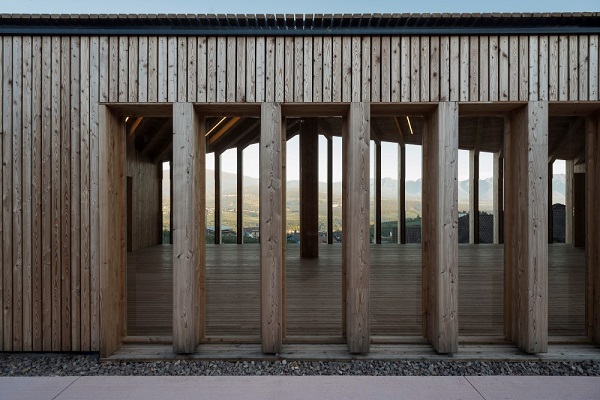
Wanted: pioneering renovations and new buildings
The fifth edition of the international architecture prize, "Constructive Alps", has been launched. Renovations and new buildings that set an example for sustainable construction in the Alps can be submitted until 14 March 2020.
Events
|
Symposium 2: Vernacular Buildings in the Anthropocene | Austrian Academy of Sciences, Vienna (Austria) |
Projects
CIPRA International
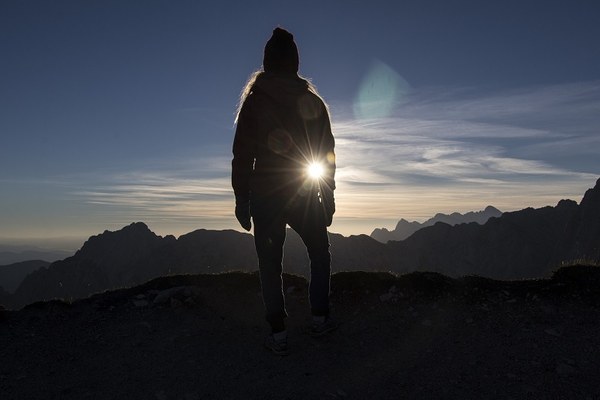
Reset Alpine Tourism
[Project completed] "Reset Alpine Tourism" brought together relevant tourism stakeholders to discuss climate protection and sustainable development in tourism.
CIPRA International
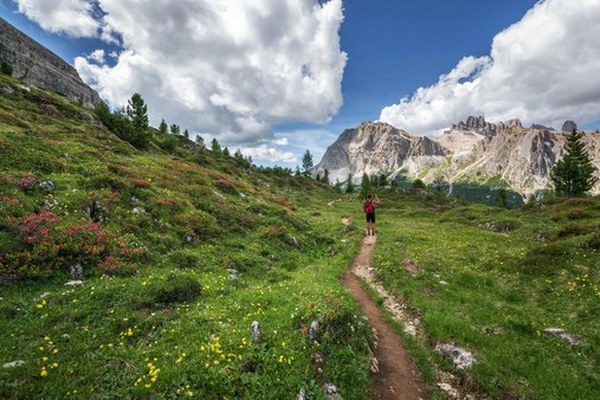
speciAlps2
[Project completed] More and more people are seeking recreation and balance in the natural surroundings of the Alps. This trend is not only being reinforced by the corona crisis, but also by society’s increasing pressure to perform. This puts increasing pressure on animals and plants, but also on destinations with their infrastructure and inhabitants. It is essential for visitors to be guided: the speciAlps2 project raised awareness of the protection of nature and landscape in the Alps and developed measures to guide visitors.
CIPRA International
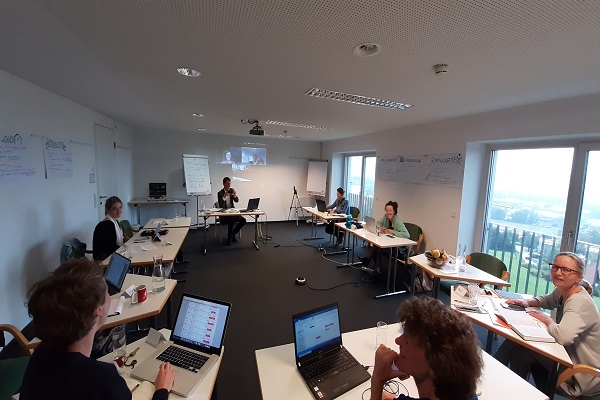
Green Deals for Municipalities
[Project completed] “Think globally – act locally”: promoting local action requires comprehensive skills and wide-ranging knowledge of the people working locally for climate protection. Partner organisations from Germany, Liechtenstein and Austria are now developing a participatory process under a transnational EU project. The goal is to empower local initiatives to act more effectively on climate protection in a global context.