
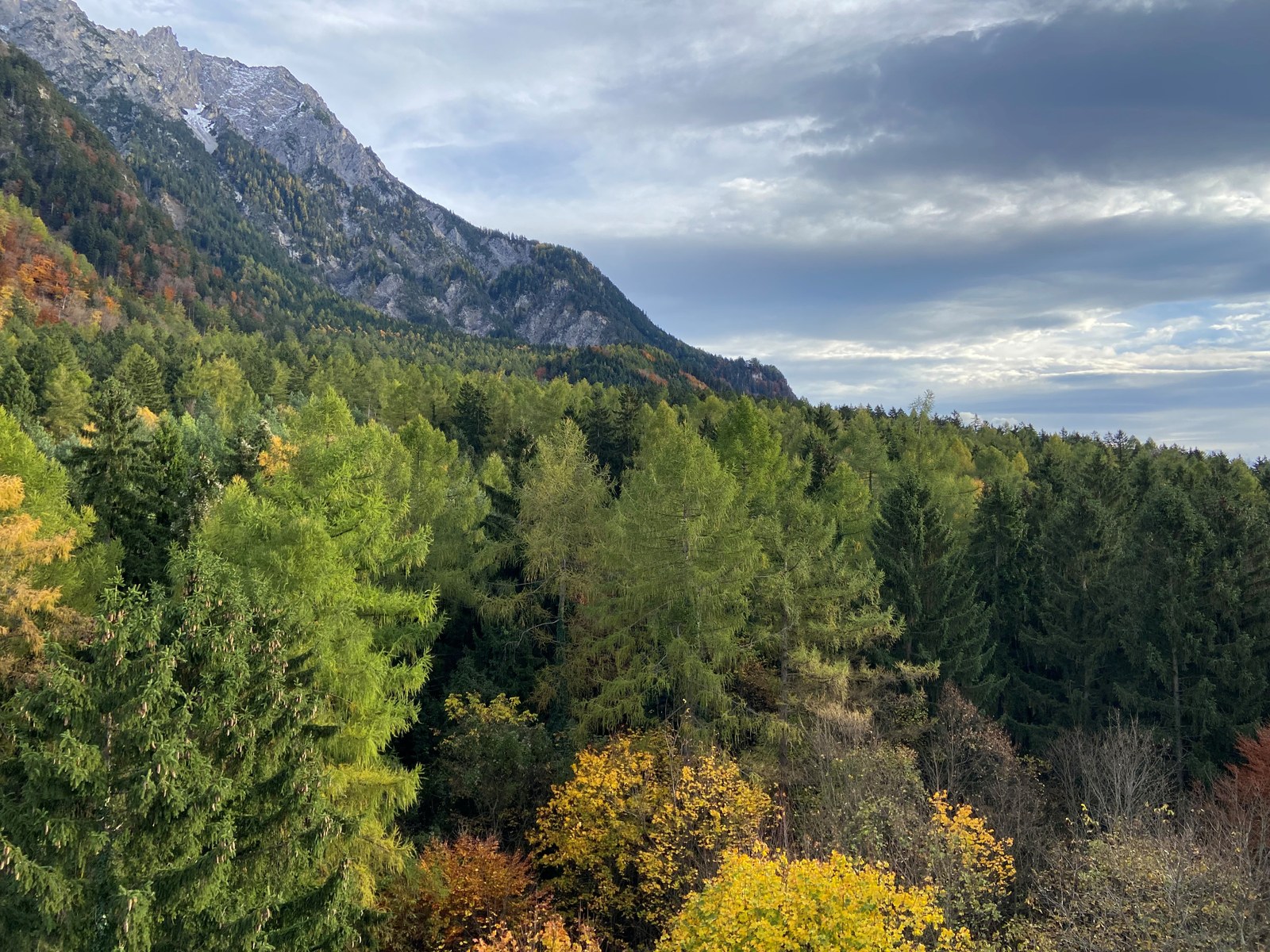
Act now to protect forests: sign the #HandsOffNature petition!
More than 40 percent of the Alpine region is covered by forests. They are not only a defining feature of the landscape, but also a cornerstone of Alpine livelihood, providing building materials, supporting biodiversity, and delivering essential ecosystem services.

Who is CIPRA?
Find out more!
More articles
alpMedia
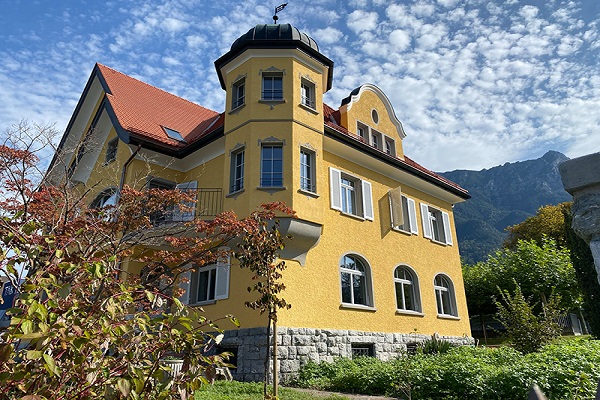
The “Netzwerkstatt Alpen” is now open
An international competence centre in Liechtenstein that strengthens the idea of sustainable development in the Alps: with the newly renovated “Netzwerkstatt Alpen”, CIPRA has made this vision a reality.
alpMedia
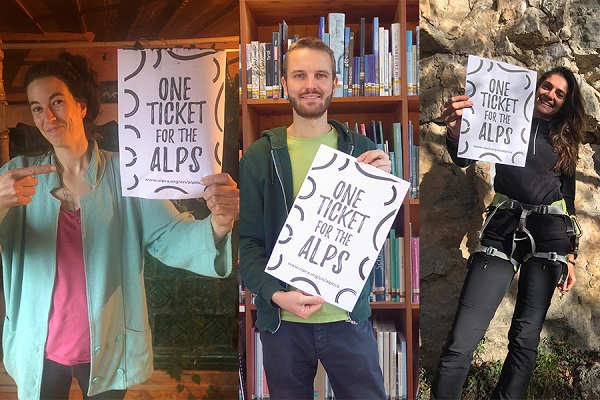
Young people demand climate-friendly Alpine ticket
High prices, long travel times, complex booking systems: an Alpine-wide survey by CIPRA's Youth Council shows that sustainable travel in the Alps must become more attractive.
alpMedia
Eusalp without Swiss cantons?
The Swiss mountain cantons want to leave the Eusalp – but not entirely: this surprise contradiction was dropped into talks about a future Eusalp presidency at the beginning of October 2020.
alpMedia
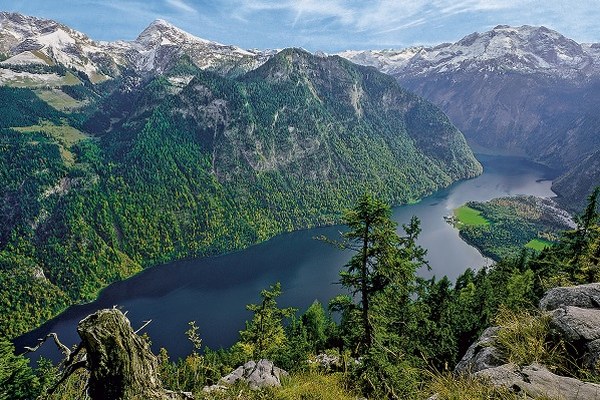
Monitoring Alpine biodiversity
Photo traps, audio recorders, soil samples: a unique research project in the Alps documents the effects of the climate crisis on biodiversity in the Berchtesgaden National Park/D. The findings will also benefit other mountain regions.
Events
|
Youth Parliament to the Alpine Convention: Climate Resilient Development | ||
|
The Better-Cities Event | Ljubljana | |
|
Local Peaks, Global Learning | online | |
|
Transhumance as Intangible Cultural Heritage of Humanity: A Way Forward? | MUCEM, Marseille/France | |
|
Growing alternative crops for new market opportunities in a changing climate | Vienna/Austria |
Projects
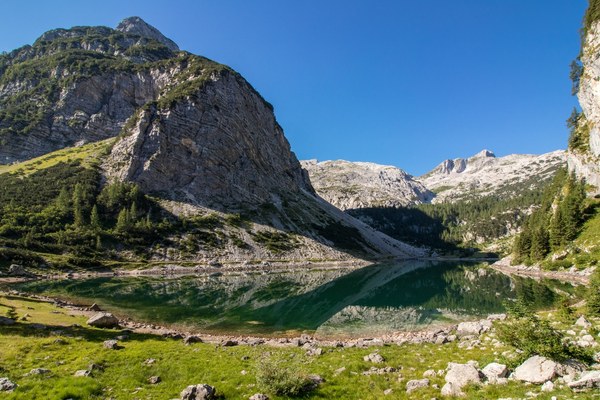
Responsible management of mountain water resources
Mountain regions constitute a unique yet fragile natural environment that provides habitat for numerous rare and endemic species. Their biodiversity is rich, yet highly vulnerable. These areas host a variety of aquatic ecosystems—rivers, streams, lakes, wetlands and peat bogs — which have very limited self-purification capacity and are extremely sensitive to change. Their condition is directly affected by climate change and human activities.
CIPRA International
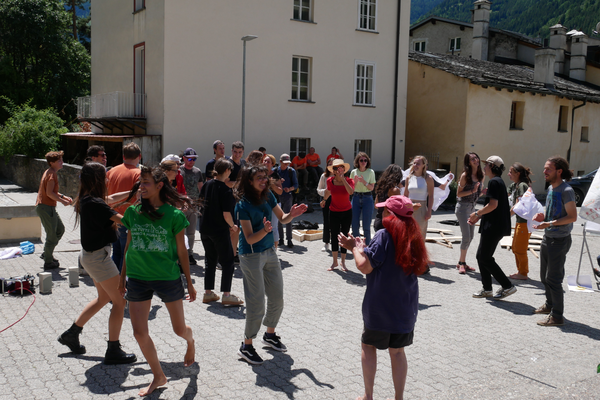
Alpine Changemaker Network
How can we advance eco-social transformation in the Alpine region? The Alpine Changemaker Network project combines Alpine traditions, as reflected in contemporary art, culture and design, with current approaches to overcoming global crises.
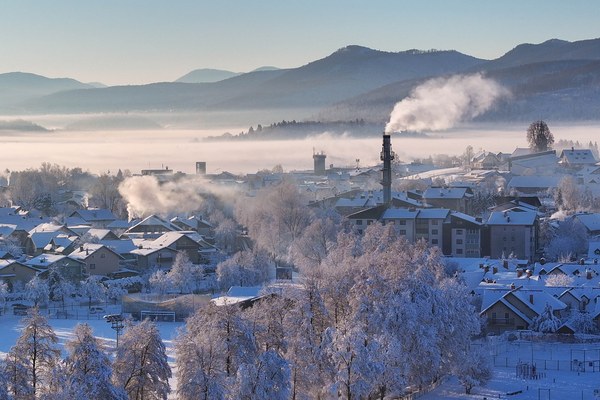
Heating of buildings and air quality 2.0
The project represents a continuation of efforts to reduce air pollution resulting from improper combustion in individual furnaces. Particular attention is paid to the use of outdated wood biomass combustion devices, which contribute significantly to emissions of particles that are harmful to health.