
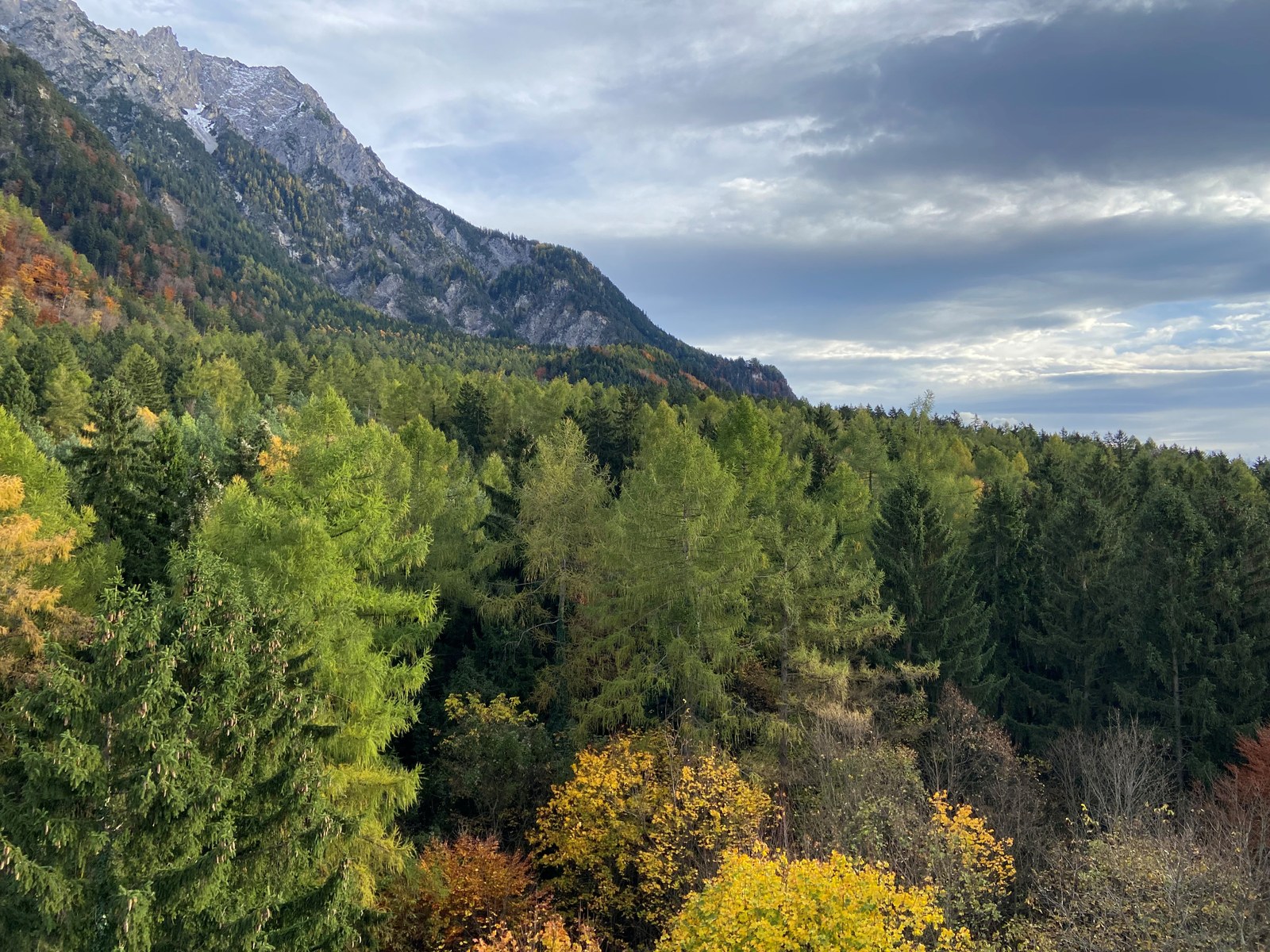
Act now to protect forests: sign the #HandsOffNature petition!
More than 40 percent of the Alpine region is covered by forests. They are not only a defining feature of the landscape, but also a cornerstone of Alpine livelihood, providing building materials, supporting biodiversity, and delivering essential ecosystem services.

Who is CIPRA?
Find out more!
More articles
alpMedia
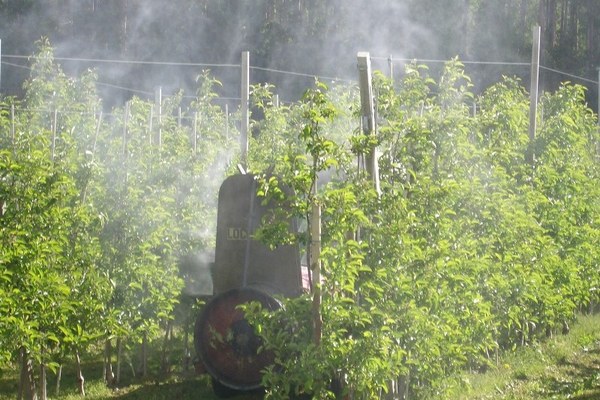
Where pesticides do not belong
On children’s playgrounds, in schoolyards and at the marketplace: researchers from Italy, Austria and Germany detect 32 different agricultural poisons in public places in South Tyrol.
alpMedia
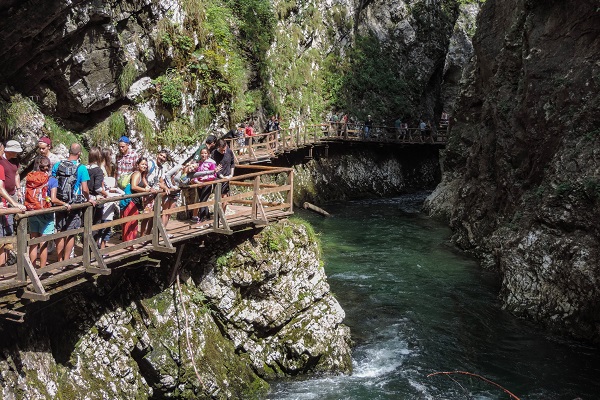
Outdoor tourism as the new mainstream
The corona pandemic, digitisation and health are causing ever more people to spend their leisure time in the mountains. At the online conference “Outdoor tourism with a long-distance perspective” on 16 and 17 November 2020, experts from the fields of science and the industry discussed how sustainable and socially acceptable tourism in the Alpine region can succeed.
alpMedia
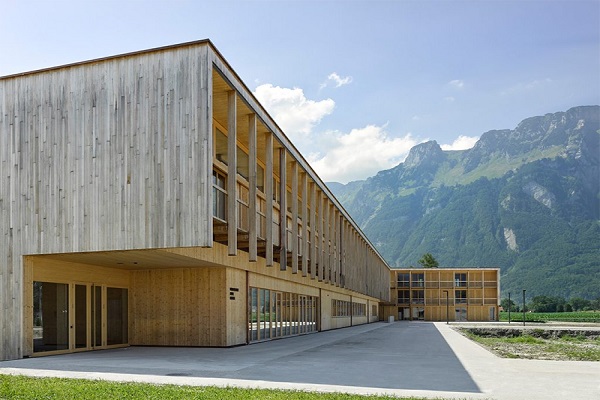
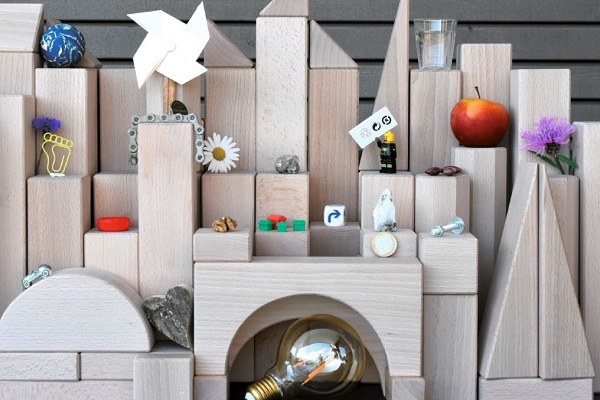
Outstanding architecture
Climate awareness meets aesthetics: Switzerland and Liechtenstein are awarded the “Constructive Alps” architecture prize for sustainable renovation and construction in the Alps for the fifth time.
alpMedia
The Alps as Commons
How does ecologically sustainable management in the Alpine region contribute to a better quality of life? Answers and food for thought are provided by the themed booklet SzeneAlpen, published in November 2020.
Events
|
Symposium 2: Vernacular Buildings in the Anthropocene | Austrian Academy of Sciences, Vienna (Austria) |
Projects
Responsible management of mountain water resources
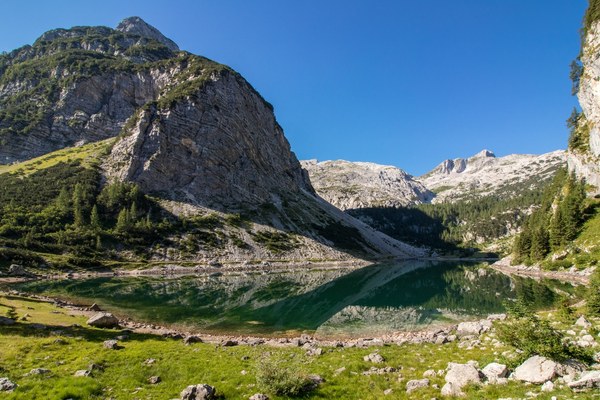
Mountain regions constitute a unique yet fragile natural environment that provides habitat for numerous rare and endemic species. Their biodiversity is rich, yet highly vulnerable. These areas host a variety of aquatic ecosystems—rivers, streams, lakes, wetlands and peat bogs — which have very limited self-purification capacity and are extremely sensitive to change. Their condition is directly affected by climate change and human activities.
CIPRA International
Alpine Changemaker Network
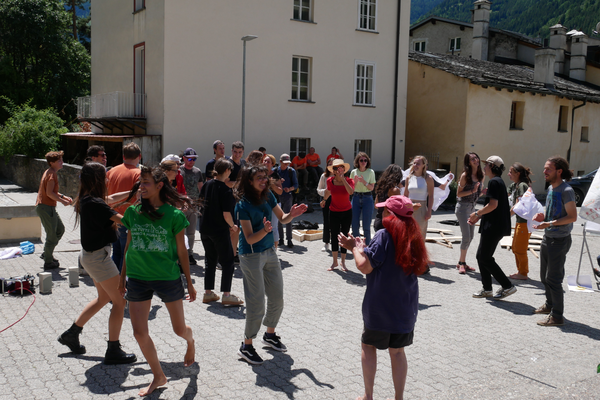
How can we advance eco-social transformation in the Alpine region? The Alpine Changemaker Network project combines Alpine traditions, as reflected in contemporary art, culture and design, with current approaches to overcoming global crises.
Heating of buildings and air quality 2.0
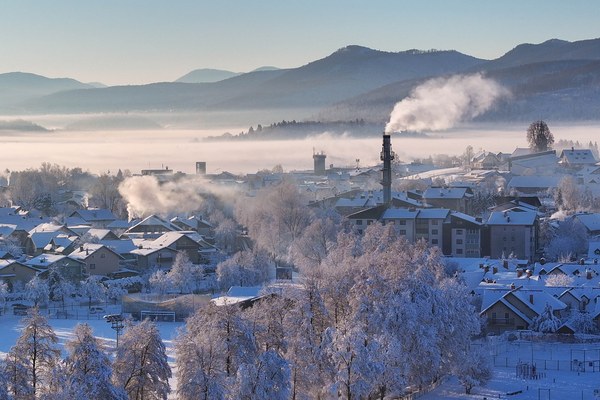
The project represents a continuation of efforts to reduce air pollution resulting from improper combustion in individual furnaces. Particular attention is paid to the use of outdated wood biomass combustion devices, which contribute significantly to emissions of particles that are harmful to health.