
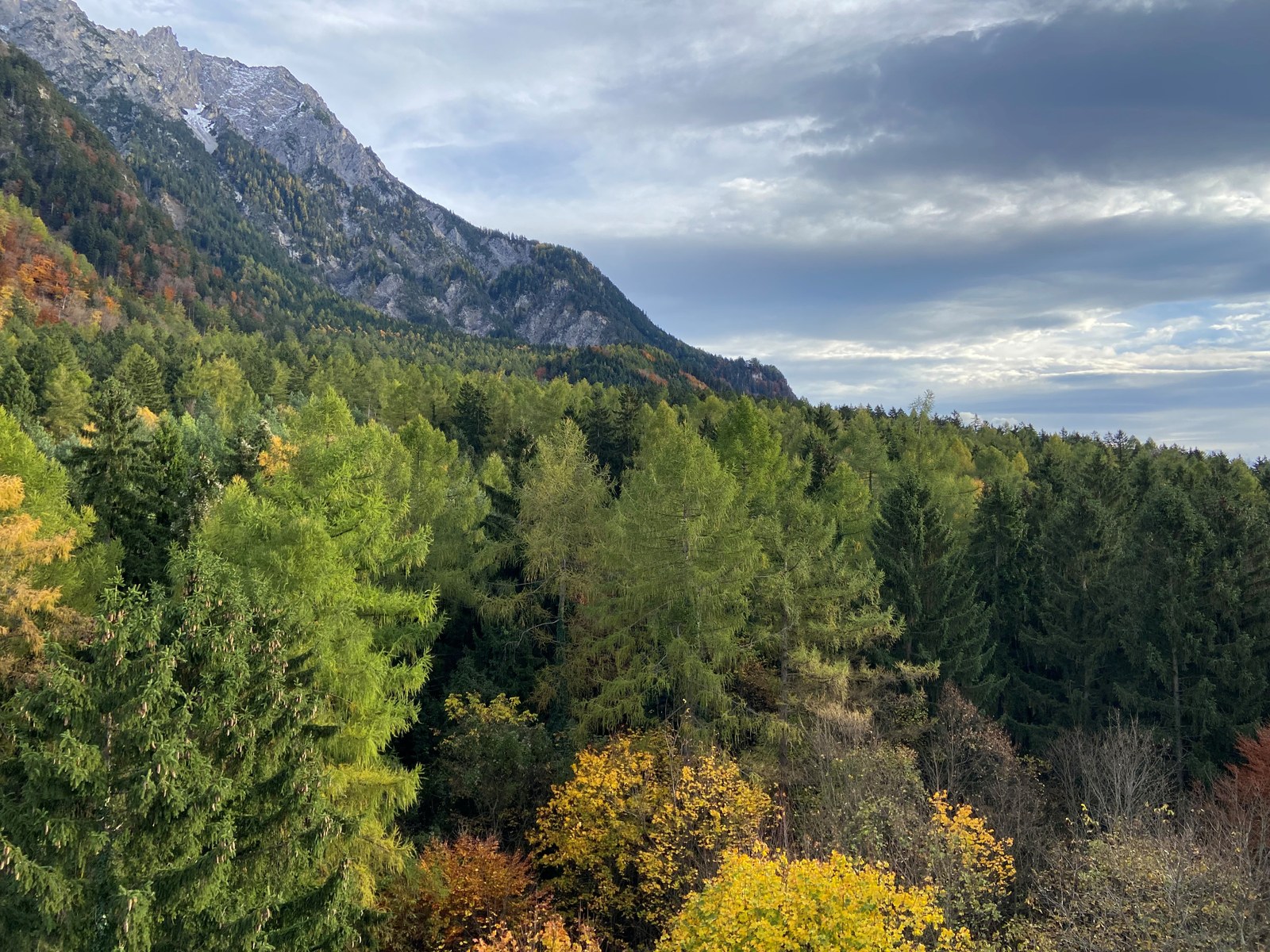
Act now to protect forests: sign the #HandsOffNature petition!
More than 40 percent of the Alpine region is covered by forests. They are not only a defining feature of the landscape, but also a cornerstone of Alpine livelihood, providing building materials, supporting biodiversity, and delivering essential ecosystem services.

Who is CIPRA?
Find out more!
More articles
Changing the Alps together
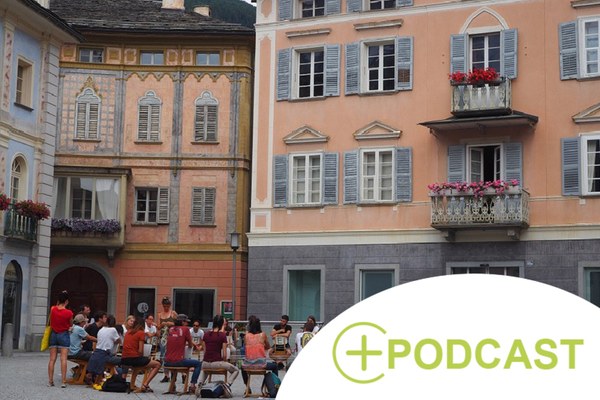
Integrating marginalised groups better, reviving ghost towns in the Alps, or organising a meeting on “Rural Commons”: the first “Alpine Changemaker Basecamp” (ACB) in Valposchiavo/CH at the beginning of July 2021 saw around 30 participants from the Alpine region further developing their projects for a liveable future in the Alps.
Climate protection: from plan to action
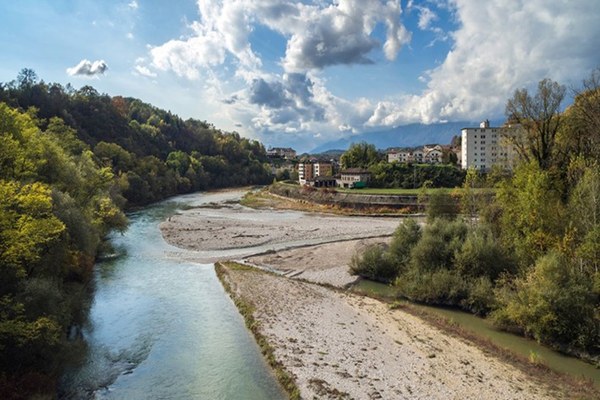
The Alps as a climate-neutral, climate-resistant region by 2050: this is the objective of the newly launched “Climate Action Plan 2.0” of the Alpine Convention. Concrete steps will now follow in such areas as mountain farming, spatial planning and biodiversity.
Veronika Hribernik, CIPRA International
How much is nature worth?
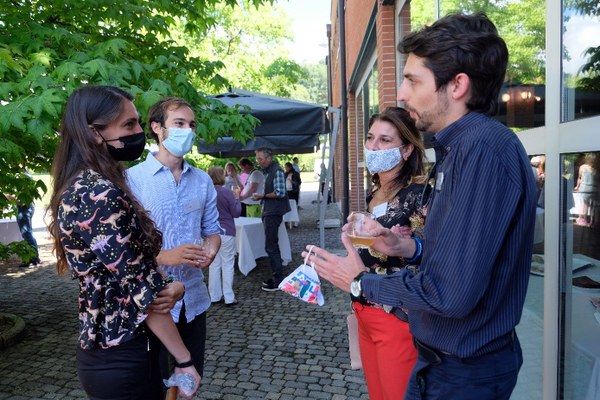
Alpine pastures that provide us with food. Trees that provide a pleasant microclimate. Alpine landscapes that heal and touch. At the beginning of July 2021, around 100 participants from all Alpine countries discussed the benefits and value of nature in the Alpine region at CIPRA’s Annual Conference in Biella/I.

Rok Brišnik, CYC
Point of view: We need an Alpine Ticket for public transport
Homeschooling, no public transport and closed borders: the corona crisis has revealed some aspects of life that people did not previously appreciate so much. An Alps-wide ticket for public transport could tackle all of these issues, as Rok Brišnik explains. He studies Geography and History at the University of Ljubljana/SI and is a member of the CIPRA Youth Council (CYC).
Events
|
Symposium 2: Vernacular Buildings in the Anthropocene | Austrian Academy of Sciences, Vienna (Austria) |
Projects

CIPRA International Lab
PlurAlps
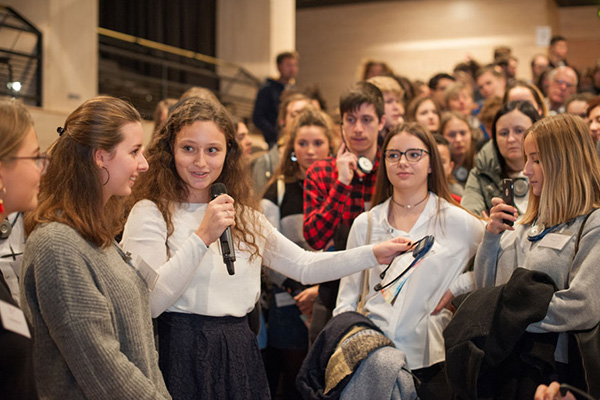
[Project completed] The Alpine area is experiencing the combined challenges of an ageing population and new migration models. At the same time, opportunities for social innovation and development arise from increasing cultural diversity and pluralism. Mountainous and peripheral Alpine municipalities and regions are specifically concerned and need technical support and new approaches to develop a welcoming culture, which should be credibly embraced and implemented by municipalities, SMEs and civil society.
CIPRA International
BeeAware!
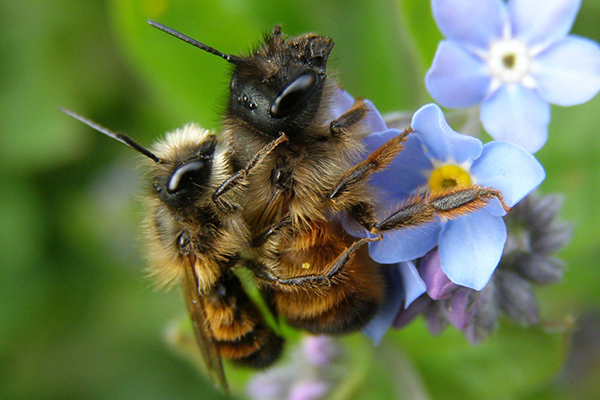
[Project completed] The aim of the project BeeAware! is to inspire communities in the Alps for bee protection and thus to improve the livelihoods of honey and wild bees. Bees are depending on an intact biodiversity. The different bee species need different plants, nesting and drinking places in order to survive. Integral bee protection therefore means securing, improving and enlarging the habitat of these important pollinators.
CIPRA International
GaYA
[Project completed] Governance and youth in the Alps - Young people tend to leave the Alpine space because they lack personal and professional fulfilment. Furthermore a majority of decision-makers remain unaware of the benefits a young active population brings to society.