
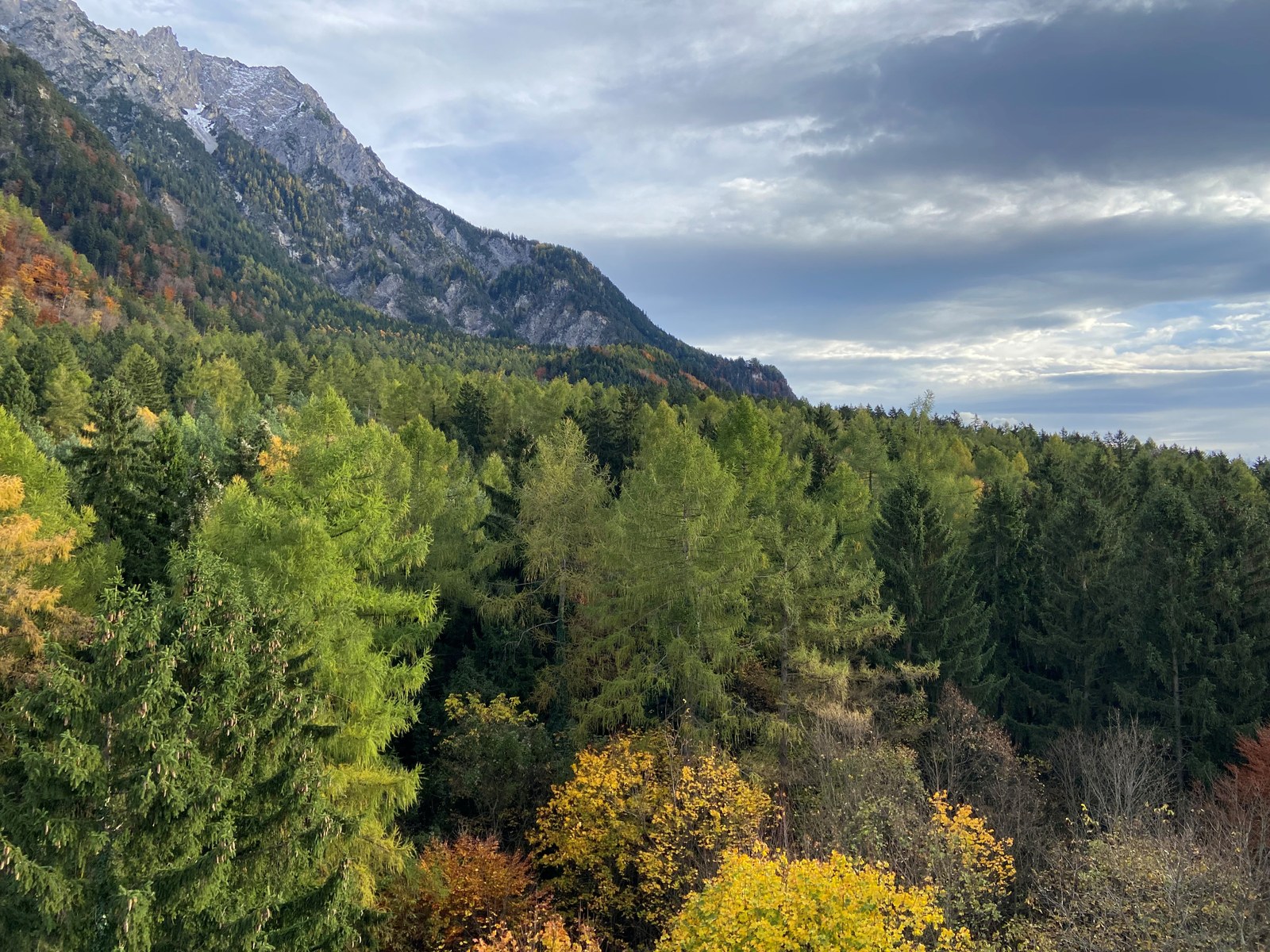
Act now to protect forests: sign the #HandsOffNature petition!
More than 40 percent of the Alpine region is covered by forests. They are not only a defining feature of the landscape, but also a cornerstone of Alpine livelihood, providing building materials, supporting biodiversity, and delivering essential ecosystem services.

Who is CIPRA?
Find out more!
More articles
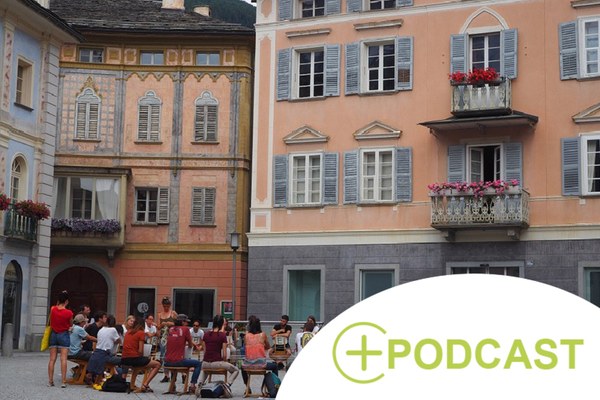
Changing the Alps together
Integrating marginalised groups better, reviving ghost towns in the Alps, or organising a meeting on “Rural Commons”: the first “Alpine Changemaker Basecamp” (ACB) in Valposchiavo/CH at the beginning of July 2021 saw around 30 participants from the Alpine region further developing their projects for a liveable future in the Alps.
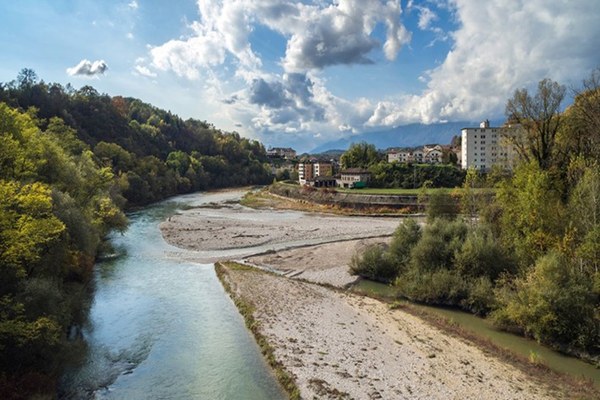
Climate protection: from plan to action
The Alps as a climate-neutral, climate-resistant region by 2050: this is the objective of the newly launched “Climate Action Plan 2.0” of the Alpine Convention. Concrete steps will now follow in such areas as mountain farming, spatial planning and biodiversity.
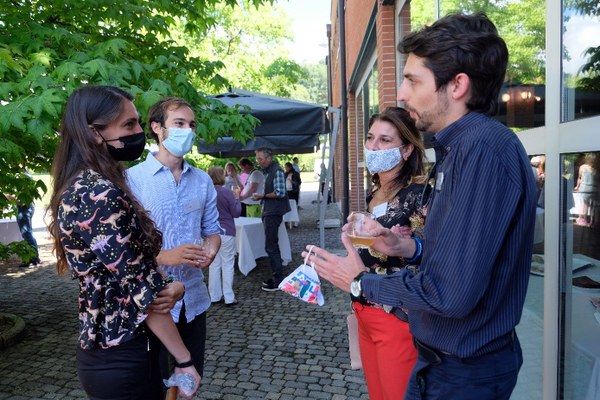
Veronika Hribernik, CIPRA International
How much is nature worth?
Alpine pastures that provide us with food. Trees that provide a pleasant microclimate. Alpine landscapes that heal and touch. At the beginning of July 2021, around 100 participants from all Alpine countries discussed the benefits and value of nature in the Alpine region at CIPRA’s Annual Conference in Biella/I.

Rok Brišnik, CYC
Point of view: We need an Alpine Ticket for public transport
Homeschooling, no public transport and closed borders: the corona crisis has revealed some aspects of life that people did not previously appreciate so much. An Alps-wide ticket for public transport could tackle all of these issues, as Rok Brišnik explains. He studies Geography and History at the University of Ljubljana/SI and is a member of the CIPRA Youth Council (CYC).
Events
|
Youth Parliament to the Alpine Convention: Climate Resilient Development | ||
|
The Better-Cities Event | Ljubljana | |
|
Local Peaks, Global Learning | online | |
|
Transhumance as Intangible Cultural Heritage of Humanity: A Way Forward? | MUCEM, Marseille/France | |
|
Growing alternative crops for new market opportunities in a changing climate | Vienna/Austria |
Projects
CIPRA International
Living Labs
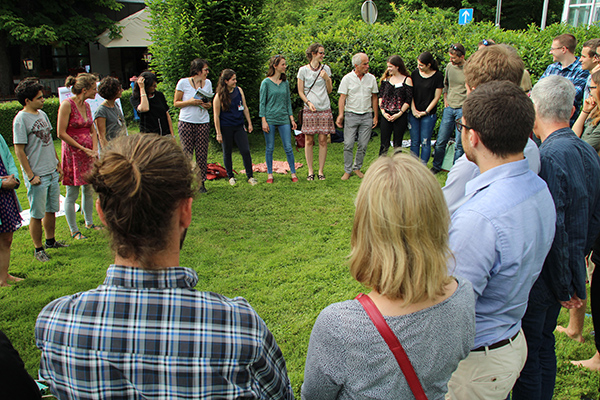
[Project completed] The project “Living Labs” brought together people of different ages from different Alpine countries to work together on process and know-how on selected topics. The project approach was participative and based on the principles of co-creation between young talents aged 18-30 years, environmental NGOs, civil society and politicians. The participants of this intergenerational project are committed to the sustainable development of the Alps at local, national and international level. For a desirable future it is important to set the right course today and to talk about how existing natural resources can be used sustainably.
CIPRA International | CIPRA Deutschland | CIPRA France | CIPRA Italia | CIPRA Slovenija
Sustainable Alpine Tourism
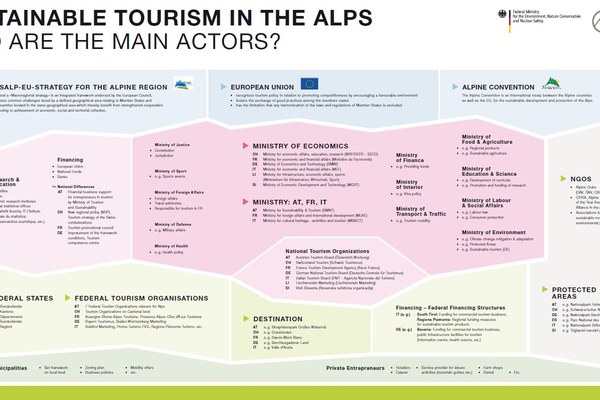
[Project completed] Sustainable tourism in the Alps is the only long-term alternative to conventional mass tourism in order to safeguard the habitat for nature and people. So far, however, there is a lack of jointly defined framework conditions on anational or alpine level for planning, promoting and implementing sustainable tourism.
CIPRA International
Cross-border mobility
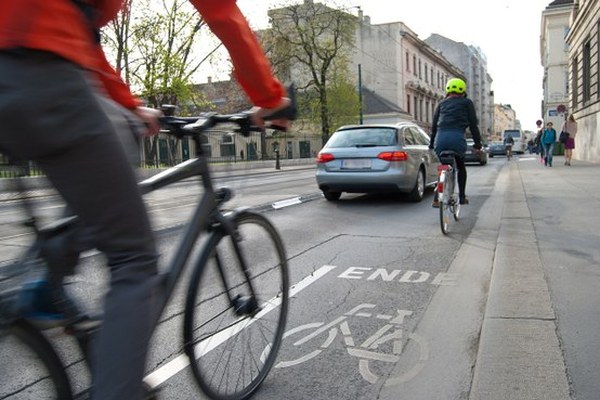
[Project completed] Tens of thousands of commuters move across national borders every day in the Alpine region. Existing traffic routes, however, were mostly built with a purely national perspective and are not geared to cross-border commuter flows. The result is overloaded roads, noise and pollution for local residents.