
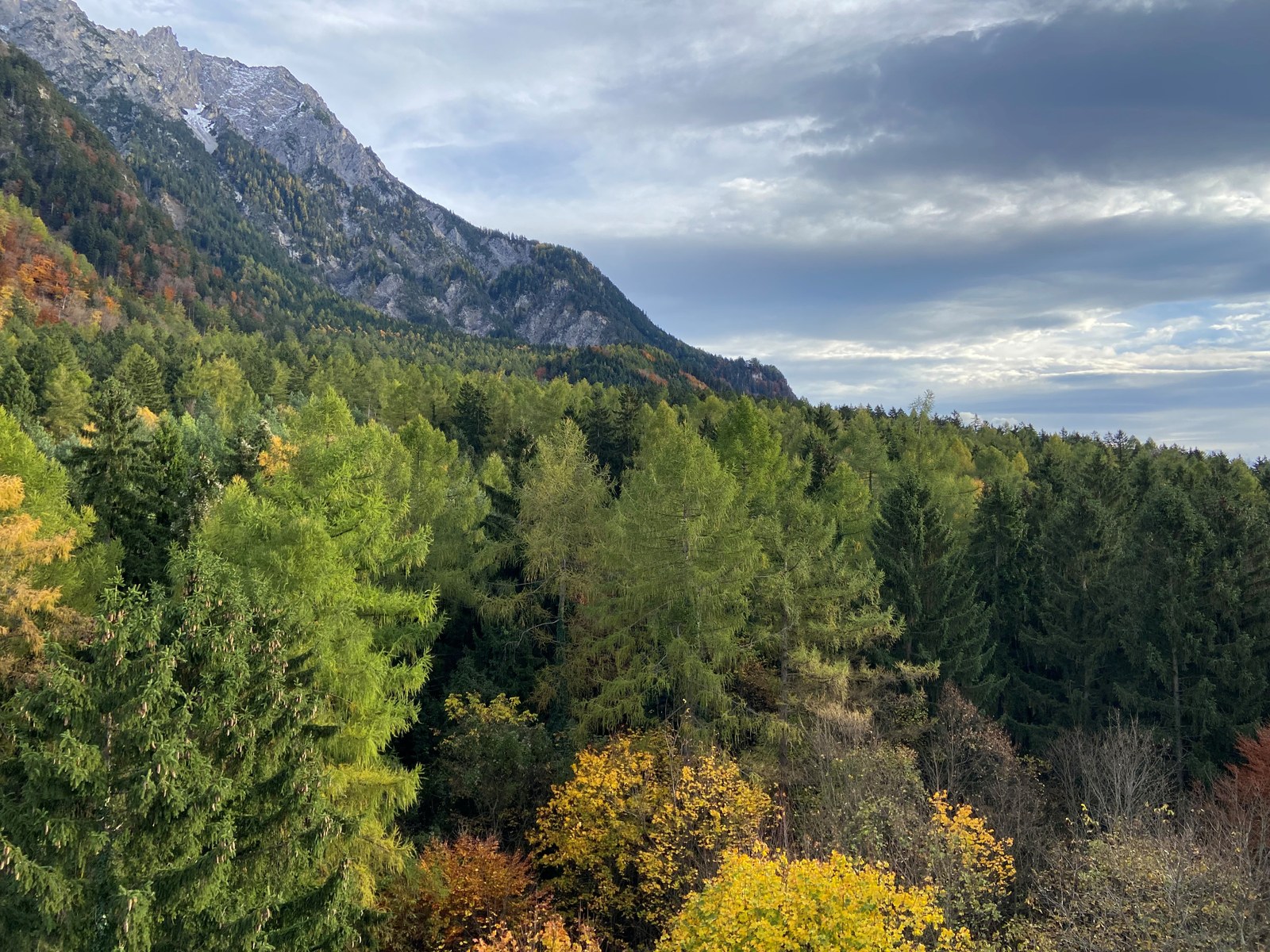
Act now to protect forests: sign the #HandsOffNature petition!
More than 40 percent of the Alpine region is covered by forests. They are not only a defining feature of the landscape, but also a cornerstone of Alpine livelihood, providing building materials, supporting biodiversity, and delivering essential ecosystem services.

Who is CIPRA?
Find out more!
More articles
Veronika Hribernik, CIPRA International
Climate bridges to south-eastern Europe
The Climate Bridges project strengthens cooperation for transnational climate protection in the Western Balkans. Together with other NGOs, CIPRA Lab is setting up a network platform for this purpose – and is looking for good climate protection examples from south-eastern Europe.
On the war in Ukraine
A war has broken out in Europe that contradicts everything CIPRA stands for: Intensive cooperation across language barriers and cultural differences, cross-border cooperation and the search for development opportunities that strengthen people and nature.
Kaspar Schuler, CIPRA International
Truck promotion instead of ecology
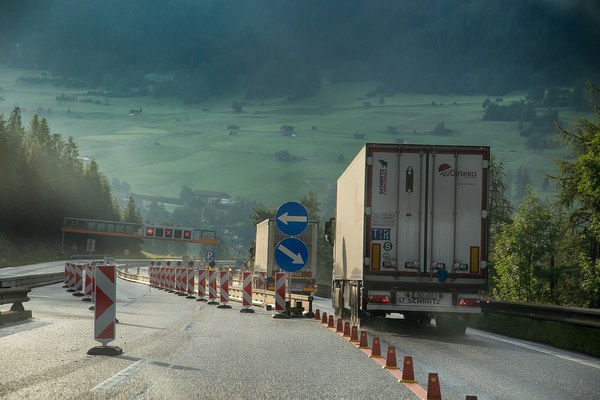
The European Parliament has shown no understanding. Even the last rescue attempts by three parliamentarians were shot down. The new toll regulation for road haulage on European motorways will lead to the one-sided promotion of hydrogen and electric engines. This will lead to a massive disadvantage for freight transport by rail and to even more trucks.
Veronika Hribernik, CIPRA International
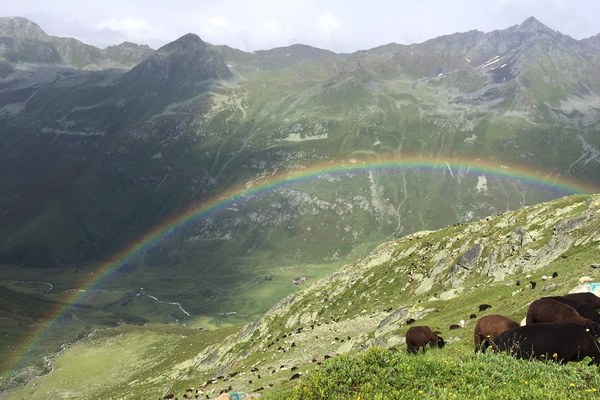
Alpine-wide network for shepherds
What are the possibilities and challenges for a cross-border organisation for shepherds in the Alps? CIPRA held an online conference on 27 January 2022 with representatives from agricultural colleges, national authorities, nature conservation groups and shepherds' organisations to find answers.
Events
|
Symposium 2: Vernacular Buildings in the Anthropocene | Austrian Academy of Sciences, Vienna (Austria) |
Projects
CIPRA International | CIPRA Deutschland | CIPRA Italia | CIPRA France
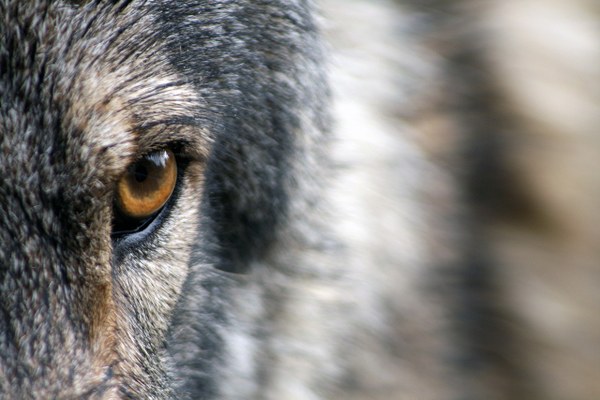
Knowledge transfer on the co-adaptation of humans and wolves in the Alpine region
[Project completed] The return of large carnivores is increasingly causing the fronts to harden between different groups of stakeholders. Among the large carnivores returning to the Alps, the wolf is the most widespread and therefore the most widely debated animal. Wolves are synanthropic animals and cross boundaries - physical as well as intangible ones – regularly. Thus, they have been accompanying and influencing social and cultural processes since time immemorial. In this project, CIPRA has taken on the task to collect, analyse, make available and disseminate knowledge about the co-adaptation of humans and wolves throughout the Alps.