Act now to protect forests: sign the #HandsOffNature petition!
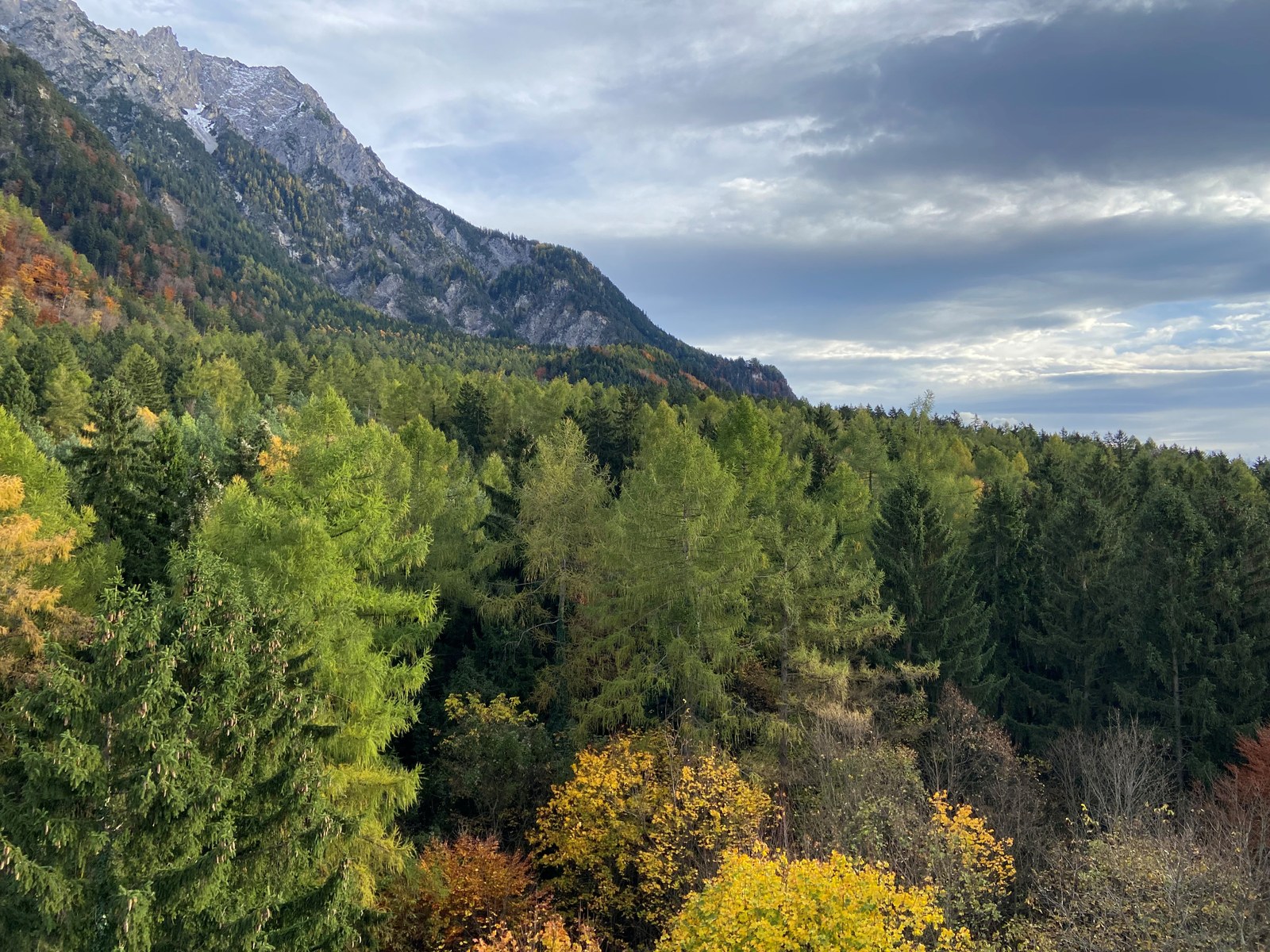
More than 40 percent of the Alpine region is covered by forests. They are not only a defining feature of the landscape, but also a cornerstone of Alpine livelihood, providing building materials, supporting biodiversity, and delivering essential ecosystem services.

Who is CIPRA?
Find out more!
More articles
Veronika Hribernik, CIPRA International
#alpinechangemaker wanted
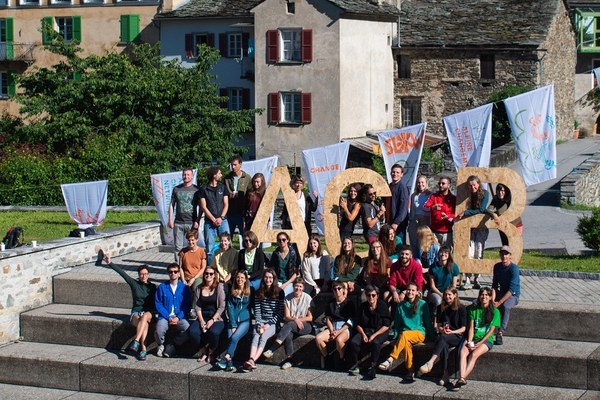
Projects for a good life in the Alps: highly motivated people from the Alpine region can apply until 15 May with ideas for the “Alpine Changemaker Basecamp” (ACB). They can look forward to a transdisciplinary project week, exchanges with like-minded people and a one-year mentoring programme.
Maya Mathias, CIPRA International
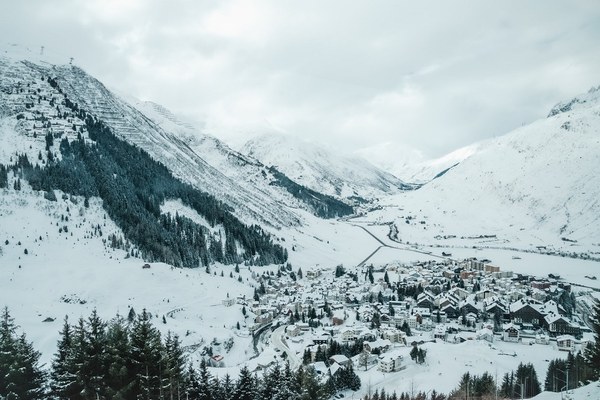
Ski resorts for sale
Vail Resorts from the USA is taking over Andermatt-Sedrun in Switzerland, while a British company is buying Via Lattea in Italy. This is the role played by international investors in the ski circus of the Alps.
Veronika Hribernik, CIPRA International
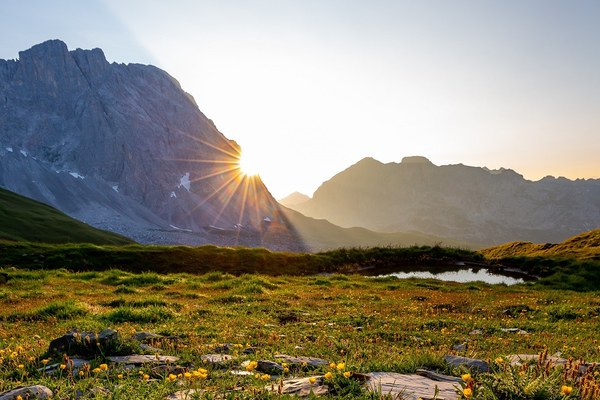
The Alpine tourism of the future
The results of CIPRA's Reset Alpine Tourism project show how the tourism industry can function in a more resilient and environmentally friendly way.
Veronika Hribernik, CIPRA International
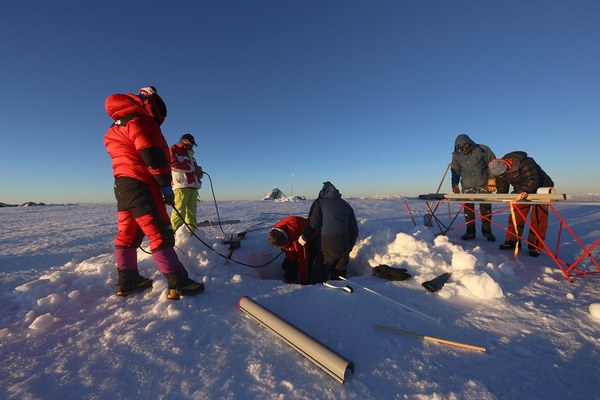
IPCC report: climate crisis in the Alps
According to the Intergovernmental Panel on Climate Change (IPCC), the effects of the climate crisis are greater than we thought: glaciers are melting in the Alps and there are more rockfalls and droughts. What else awaits the Alps? And how can we deal with it?
Events
|
Symposium 2: Vernacular Buildings in the Anthropocene | Austrian Academy of Sciences, Vienna (Austria) |
Projects
CIPRA International
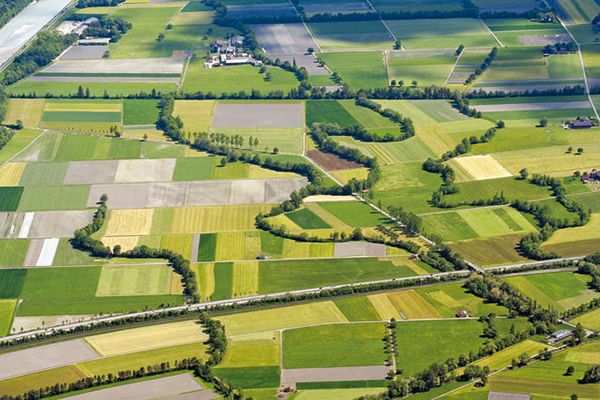
Ecological Continuum Initiative
[Project completed] Nature does not stop at the boundaries of protected areas or national borders. And, more and more often, man’s interventions in nature and the landscape are dissecting habitats and lastingly obstructing the exchange and migration of fauna and flora. This is putting Europe’s unique biodiversity in the Alps at risk.