
Act now to protect forests: sign the #HandsOffNature petition!
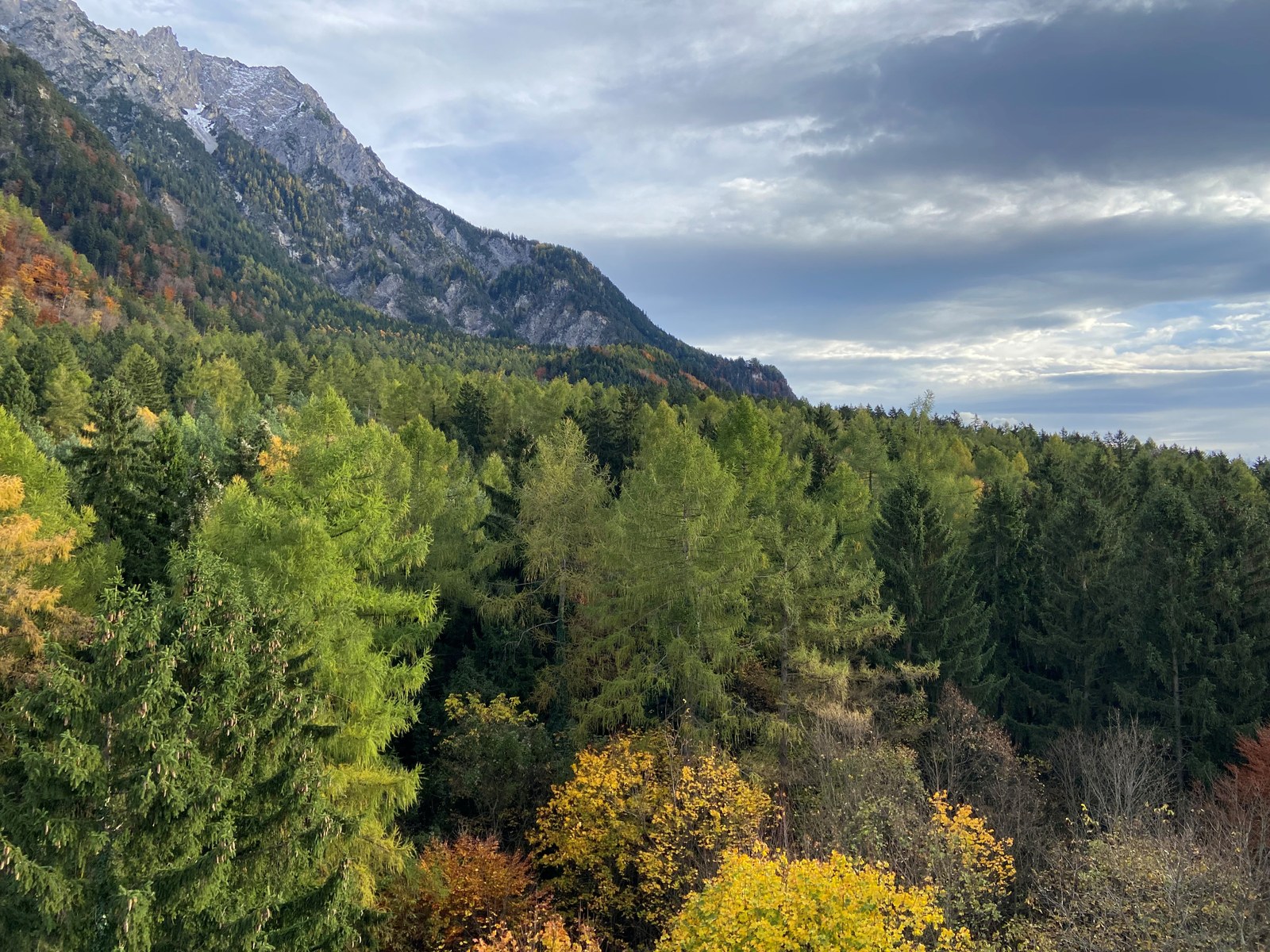
More than 40 percent of the Alpine region is covered by forests. They are not only a defining feature of the landscape, but also a cornerstone of Alpine livelihood, providing building materials, supporting biodiversity, and delivering essential ecosystem services.

Who is CIPRA?
Find out more!
More articles
alpMedia | Schaan, LI
"Green" holidays in the Alps for Dutch tourists
From this summer several Dutch tour operators, including the TUI subsidiary Holland International and the hiking and cycling holiday specialists SNP, are offering "Green Package Tours" to Switzerland and Austria.
alpMedia | Schaan, LI
Centre for nanotechnology in the French Alps
The first European network for nanobiotechnology, Nano2life, is being co-ordinated in Grenoble/F since February 2. So after Paris Grenoble is now the second largest research centre in France, with 18,200 people working in 200 laboratories.
alpMedia | Schaan, LI
The Role of NGOs in Mountain Regions
The conference book of the 2002 Yearly Symposium of the International Commission for the Protection of the Alps (CIPRA) in Schaan/Liechtenstein has just been published. Marking the occasion of CIPRA's 50th anniversary the Symposium focused on the role of non-governmental organisations (NGOs) in mountain regions.
alpMedia | Schaan, LI
Minority languages of the Alps take to new media
In the past learning the Romansh language nearly always meant having to go through German. But since the end of last year Lia Rumantscha, the umbrella organisation for all Romansh associations, has posted an online English-Romansh dictionary called "myPledari" on the internet for free use.
Events
|
Symposium 2: Vernacular Buildings in the Anthropocene | Austrian Academy of Sciences, Vienna (Austria) |
Projects
CIPRA Deutschland | CIPRA France
DINAMO
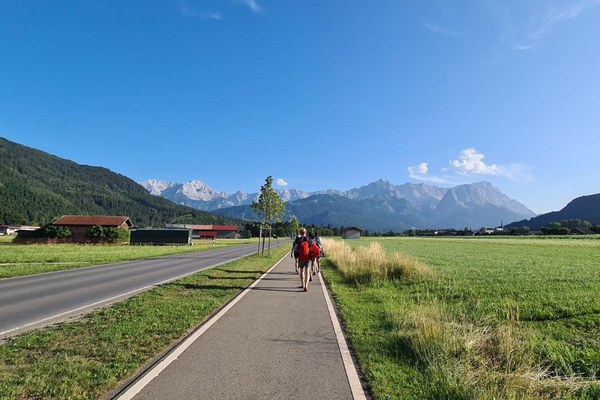
[Project competed] In many rural areas of the Alps, public transport services are inadequate for daily needs and tourism development. In some remote mountain regions, this is one of the reasons why there is a considerable amount of car traffic, especially on weekends, public holidays and during rush hours. There are various reasons for this, including the high cost of public transport solutions due to low population density, inadequate public transport options (such as timetables, accessibility, connectivity, travel time and costs) and political and social preferences in favour of private motorised transport.

CIPRA International Lab
LISTEN
The LISTEN project is analysing the use of space in suburbs on the basis of three pilot regions in Belgium, Sweden and Austria. CIPRA Lab GmbH is working together with partners from research and regional stakeholders.
CIPRA International Lab
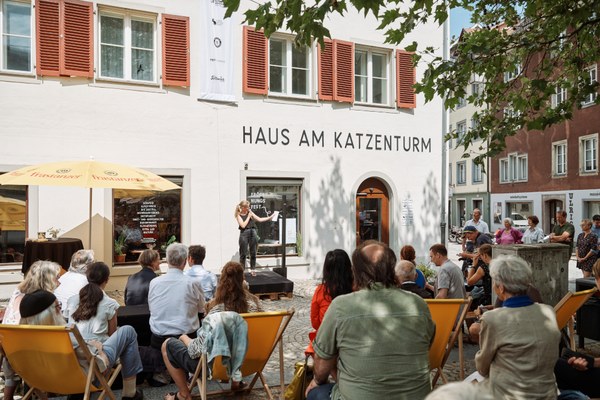
Haus am Katzenturm Association
[Project completed] Along with the association of the same name in Feldkirch/A, the “Haus am Katzenturm” networks NGOs from the environmental and nature conservation sector in the Lake Constance region and makes their topics accessible to a broad public.