
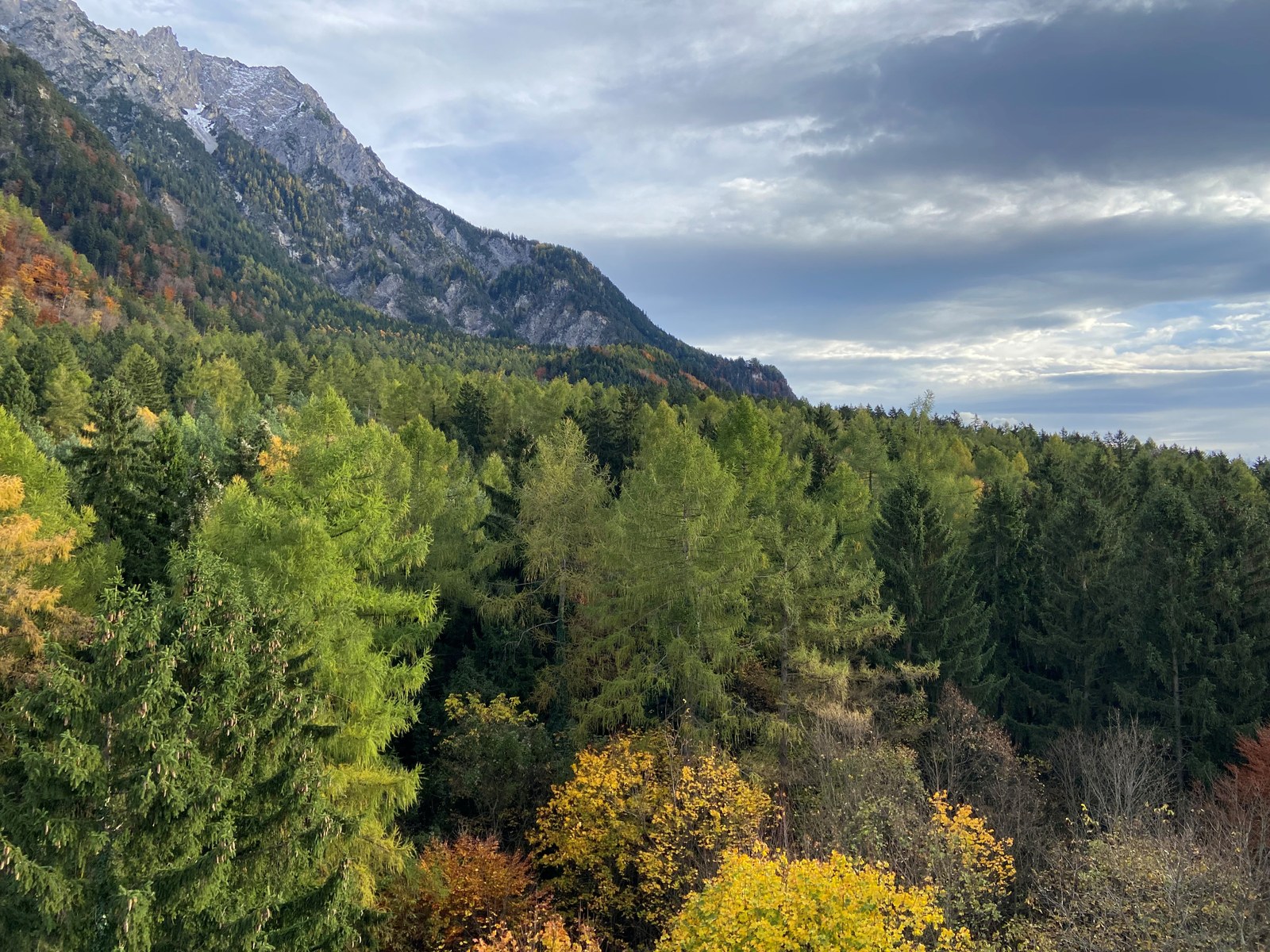
Act now to protect forests: sign the #HandsOffNature petition!
More than 40 percent of the Alpine region is covered by forests. They are not only a defining feature of the landscape, but also a cornerstone of Alpine livelihood, providing building materials, supporting biodiversity, and delivering essential ecosystem services.

Who is CIPRA?
Find out more!
More articles
alpMedia | Schaan, LI
Early warning system for wolves
The New York Wildlife Conservation Society has developed an early warning system for wolf attacks to help prevent conflicts between man and beast, and as a result also protect the wolves.
alpMedia | Schaan, LI
7th CIPRA Summer Academy: The Alps in three weeks
The 7th Summer Academy of the International Commission for the Protection of the Alps (CIPRA) is taking place from 16 August to 3 September. For anyone interested in the Alps as a region this education course provides a detailed insight. The lectures and project work on topics related to the Alps are designed to offer a more comprehensive view of the Alps.
alpMedia | Schaan, LI
New waste prevention initiatives in Europe
The City of Vienna has set up "Scarabeo 2004", the first ever European Youth Competition on Waste Prevention and Separation. Until May 15 young people from more than forty countries can submit projects on ways of preventing and separating waste.
alpMedia | Schaan, LI
Preserving priority areas of the Alps
At the UN Conference on Biological Diversity in Kuala Lumpur the WWF presented a study identifying 23 priority areas of the Alps. The alpine study in five languages was drawn up by the WWF, the International Commission for the Protection of the Alps (CIPRA), the Network of Alpine Protected Areas and the International Scientific Committee for Alpine Research (ISCAR) with the help of a hundred experts from 90 institutions and bodies.
Events
|
Symposium 2: Vernacular Buildings in the Anthropocene | Austrian Academy of Sciences, Vienna (Austria) |
Projects
CIPRA Deutschland | CIPRA France
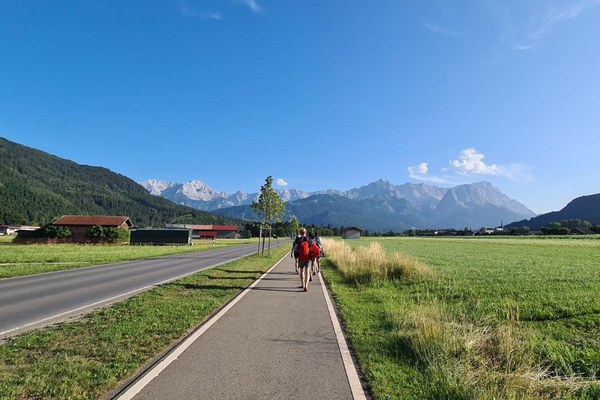
DINAMO
[Project competed] In many rural areas of the Alps, public transport services are inadequate for daily needs and tourism development. In some remote mountain regions, this is one of the reasons why there is a considerable amount of car traffic, especially on weekends, public holidays and during rush hours. There are various reasons for this, including the high cost of public transport solutions due to low population density, inadequate public transport options (such as timetables, accessibility, connectivity, travel time and costs) and political and social preferences in favour of private motorised transport.

CIPRA International Lab
LISTEN
The LISTEN project is analysing the use of space in suburbs on the basis of three pilot regions in Belgium, Sweden and Austria. CIPRA Lab GmbH is working together with partners from research and regional stakeholders.
CIPRA International Lab
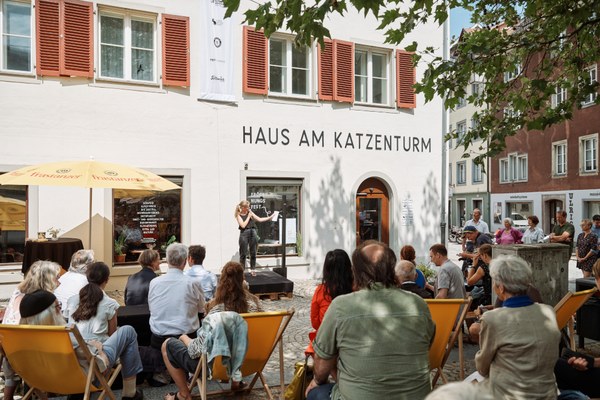
Haus am Katzenturm Association
[Project completed] Along with the association of the same name in Feldkirch/A, the “Haus am Katzenturm” networks NGOs from the environmental and nature conservation sector in the Lake Constance region and makes their topics accessible to a broad public.