
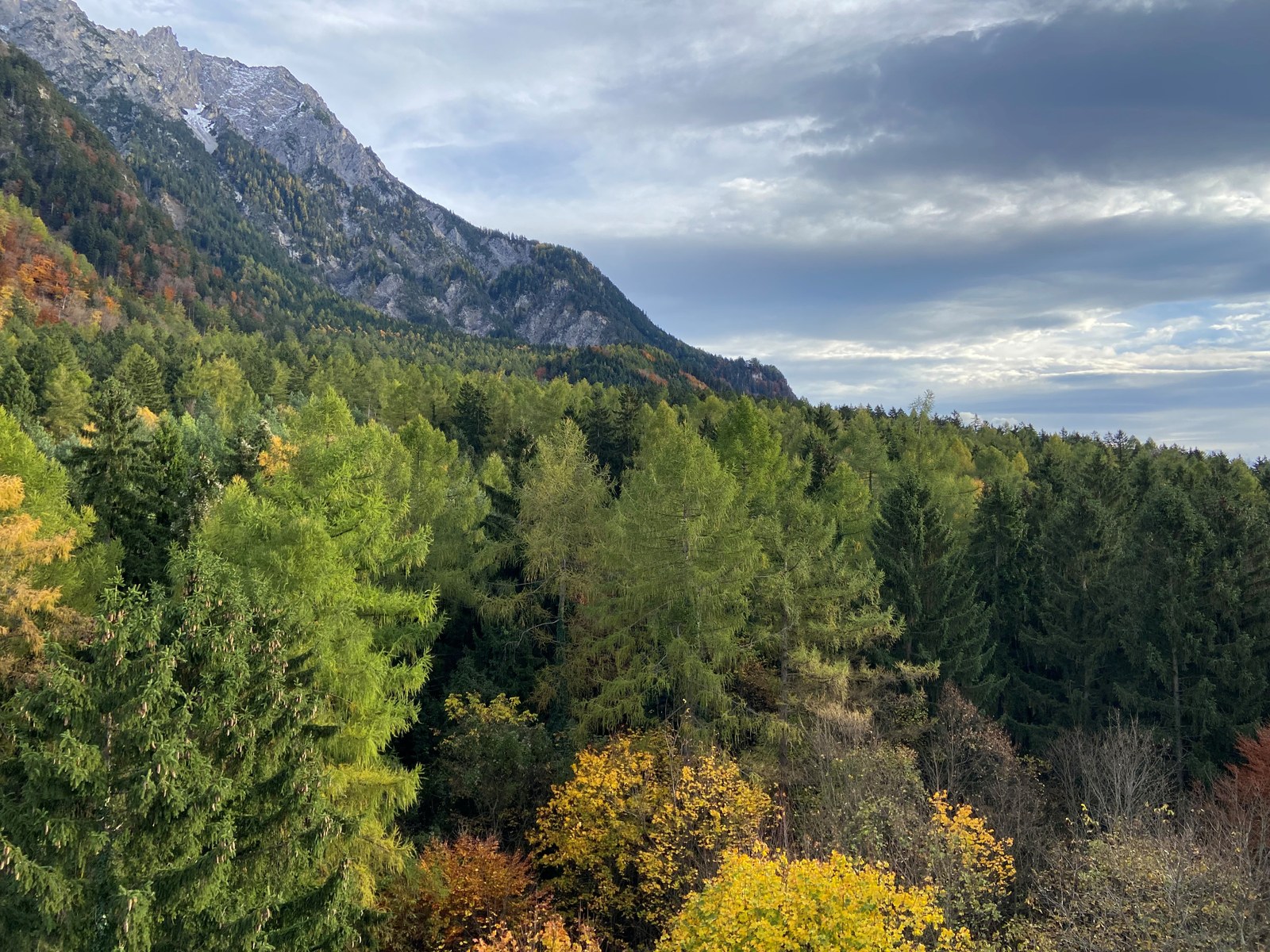
Act now to protect forests: sign the #HandsOffNature petition!
More than 40 percent of the Alpine region is covered by forests. They are not only a defining feature of the landscape, but also a cornerstone of Alpine livelihood, providing building materials, supporting biodiversity, and delivering essential ecosystem services.

Who is CIPRA?
Find out more!
More articles
alpMedia | Schaan, LI
Italy: MOMO project for the development of new technologies in mountain regions
The EU MOMO project, which focuses on applied research benefiting small and medium-sized companies, was recently unveiled in the Italian region of Friuli Venezia Giulia. Plastic materials for nanotechnology for example are to be developed at the Centre for Technological Innovations in Amaro.
alpMedia | Schaan, LI
World's first institute for holiday, travel and altitude medicine
"Our aim with the founding of the Institute for Holiday, Travel and Altitude Medicine at the Private University for Health Sciences, Medical Informatics and Technology is to demonstrate and substantiate by medical and scientific means the favourable health effect of a high-altitude holiday. We also intend to establish a form of certification for tourist regions and tourist enterprises," explained Tyrol's Provincial Governor Herwig van Staa at the official presentation of the new Institute in Innsbruck/A.
alpMedia | Schaan, LI
Environmental management for the Everest region
The University of Torino/I and the Ev-K2-CNR Committee are currently conducting an international co-operation project called "Everest: A Remedy Against Damage Caused by Tourism" in the Everest region of Nepal. The aim is to develop an environmental management methodology to be able to lessen the negative impact of the 70,000 or so western tourists a year in the sensitive eco-systems of the Everest region.
alpMedia | Schaan, LI
Second Himalaya Film Festival: Time to submit your films!
Films can now be submitted for the Second Himalaya Film Festival, which is to be held at the Cultural Centre of the Free University Amsterdam/Netherlands on 6 and 7 November.
Events
|
Youth Parliament to the Alpine Convention: Climate Resilient Development | ||
|
The Better-Cities Event | Ljubljana | |
|
Local Peaks, Global Learning | online | |
|
Transhumance as Intangible Cultural Heritage of Humanity: A Way Forward? | MUCEM, Marseille/France | |
|
Growing alternative crops for new market opportunities in a changing climate | Vienna/Austria |
Projects
CIPRA International
Living Labs
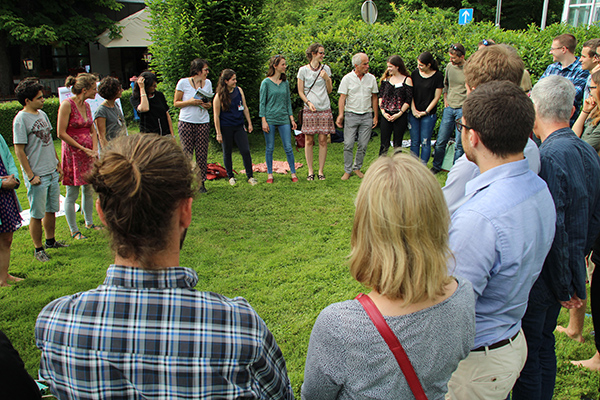
[Project completed] The project “Living Labs” brought together people of different ages from different Alpine countries to work together on process and know-how on selected topics. The project approach was participative and based on the principles of co-creation between young talents aged 18-30 years, environmental NGOs, civil society and politicians. The participants of this intergenerational project are committed to the sustainable development of the Alps at local, national and international level. For a desirable future it is important to set the right course today and to talk about how existing natural resources can be used sustainably.
CIPRA International | CIPRA Deutschland | CIPRA France | CIPRA Italia | CIPRA Slovenija
Sustainable Alpine Tourism
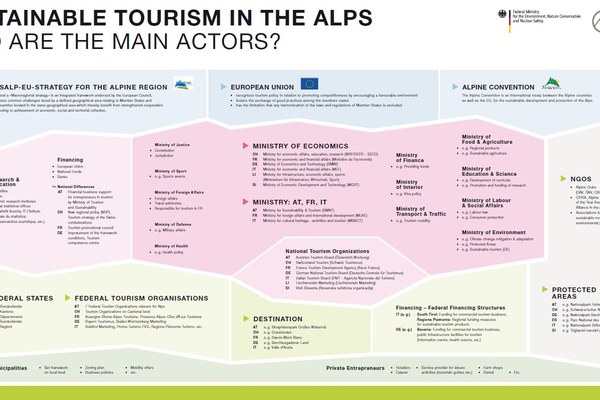
[Project completed] Sustainable tourism in the Alps is the only long-term alternative to conventional mass tourism in order to safeguard the habitat for nature and people. So far, however, there is a lack of jointly defined framework conditions on anational or alpine level for planning, promoting and implementing sustainable tourism.
CIPRA International
Cross-border mobility
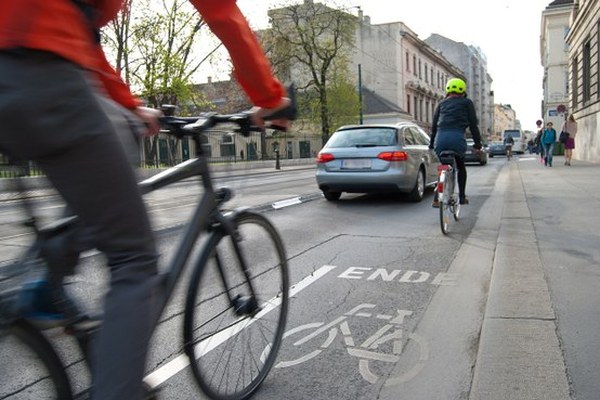
[Project completed] Tens of thousands of commuters move across national borders every day in the Alpine region. Existing traffic routes, however, were mostly built with a purely national perspective and are not geared to cross-border commuter flows. The result is overloaded roads, noise and pollution for local residents.