
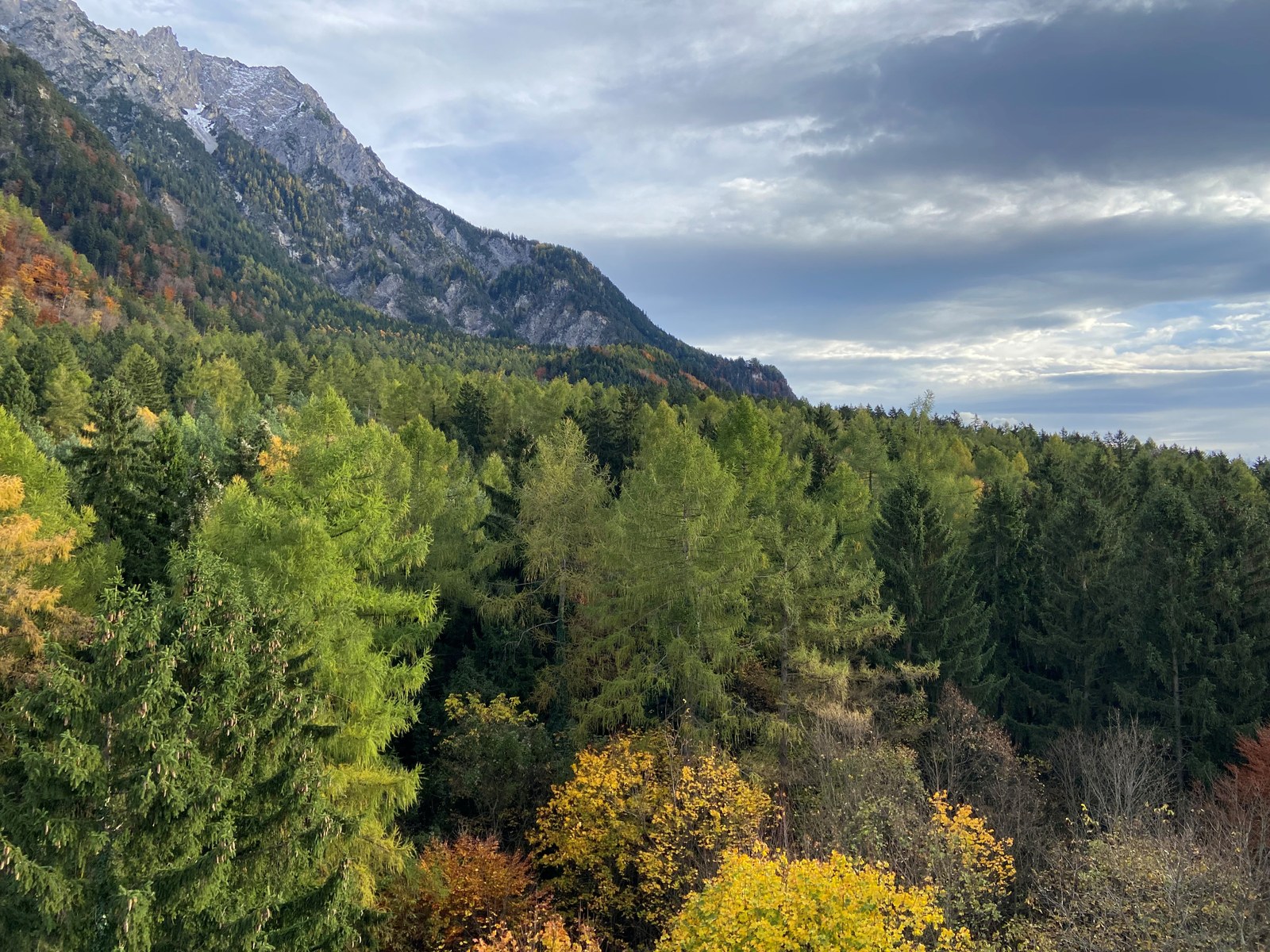
Act now to protect forests: sign the #HandsOffNature petition!
More than 40 percent of the Alpine region is covered by forests. They are not only a defining feature of the landscape, but also a cornerstone of Alpine livelihood, providing building materials, supporting biodiversity, and delivering essential ecosystem services.

Who is CIPRA?
Find out more!
More articles
CIPRA Internationale Alpenschutzkommission | Schaan, LI
New book: the good alpine air
A new publication in the series "Revue de géographie alpine/journal of alpine research" is devoted to the subject of the air in the Alps. The mountain air has played a major role in the history of the Alps since the end of the 18th century.
Francesco Pastorelli | CIPRA Italia | Torino, IT
Ski area for the Himalayas
The highest ski slopes in the northern hemisphere are shortly to be built in Gulmarg on the slopes of Mount Afarwat in the Indian part of Kashmir. With a budget of 2.5 million euros, a French company is planning to build ski lifts and a 2.5-kilometre-long ski run at an altitude of over 4500 meters above sea-level.
CIPRA Internationale Alpenschutzkommission | Schaan, LI
NEGST- New Generation of Solar Thermal Systems
The overall objective of this project is to introduce more cost-effective solar thermal systems, particularly for domestic hot water preparation and / or space heating, to the market in order to contribute to the European Union's Action Plans with regard to the reduction of CO2 – Emissions and the cost effective supply of renewable energies.
alpMedia | Schaan, LI
Putting an end to terminology confusion in the alpine region
The LexAlp project was recently launched in a bid to harmonise the legal language used in environmental and regional planning in alpine countries. As the first project of its kind LexAlp covers all four official languages of the Alps - French, German, Italian and Slovene.
Events
|
Symposium 2: Vernacular Buildings in the Anthropocene | Austrian Academy of Sciences, Vienna (Austria) |
Projects
CIPRA Deutschland | CIPRA France
DINAMO
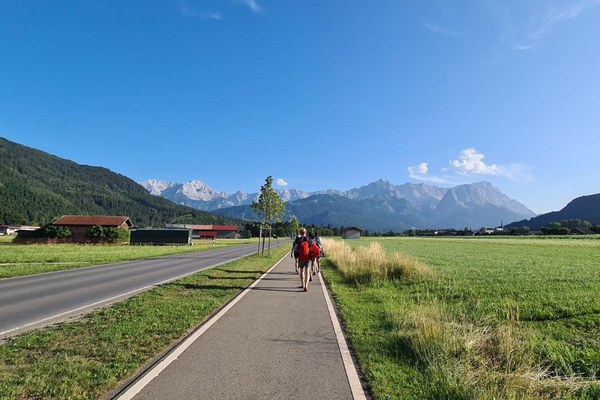
[Project competed] In many rural areas of the Alps, public transport services are inadequate for daily needs and tourism development. In some remote mountain regions, this is one of the reasons why there is a considerable amount of car traffic, especially on weekends, public holidays and during rush hours. There are various reasons for this, including the high cost of public transport solutions due to low population density, inadequate public transport options (such as timetables, accessibility, connectivity, travel time and costs) and political and social preferences in favour of private motorised transport.

CIPRA International Lab
LISTEN
The LISTEN project is analysing the use of space in suburbs on the basis of three pilot regions in Belgium, Sweden and Austria. CIPRA Lab GmbH is working together with partners from research and regional stakeholders.
CIPRA International Lab
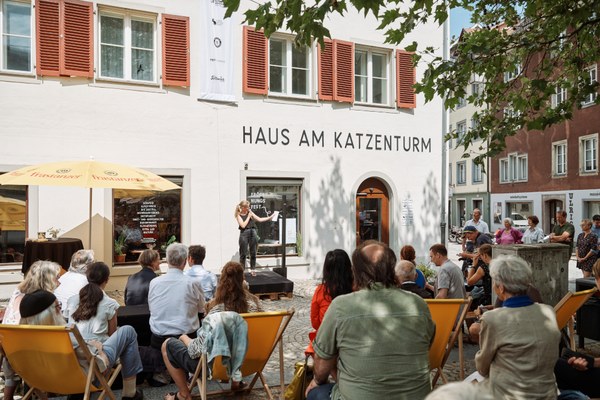
Haus am Katzenturm Association
[Project completed] Along with the association of the same name in Feldkirch/A, the “Haus am Katzenturm” networks NGOs from the environmental and nature conservation sector in the Lake Constance region and makes their topics accessible to a broad public.