
Act now to protect forests: sign the #HandsOffNature petition!
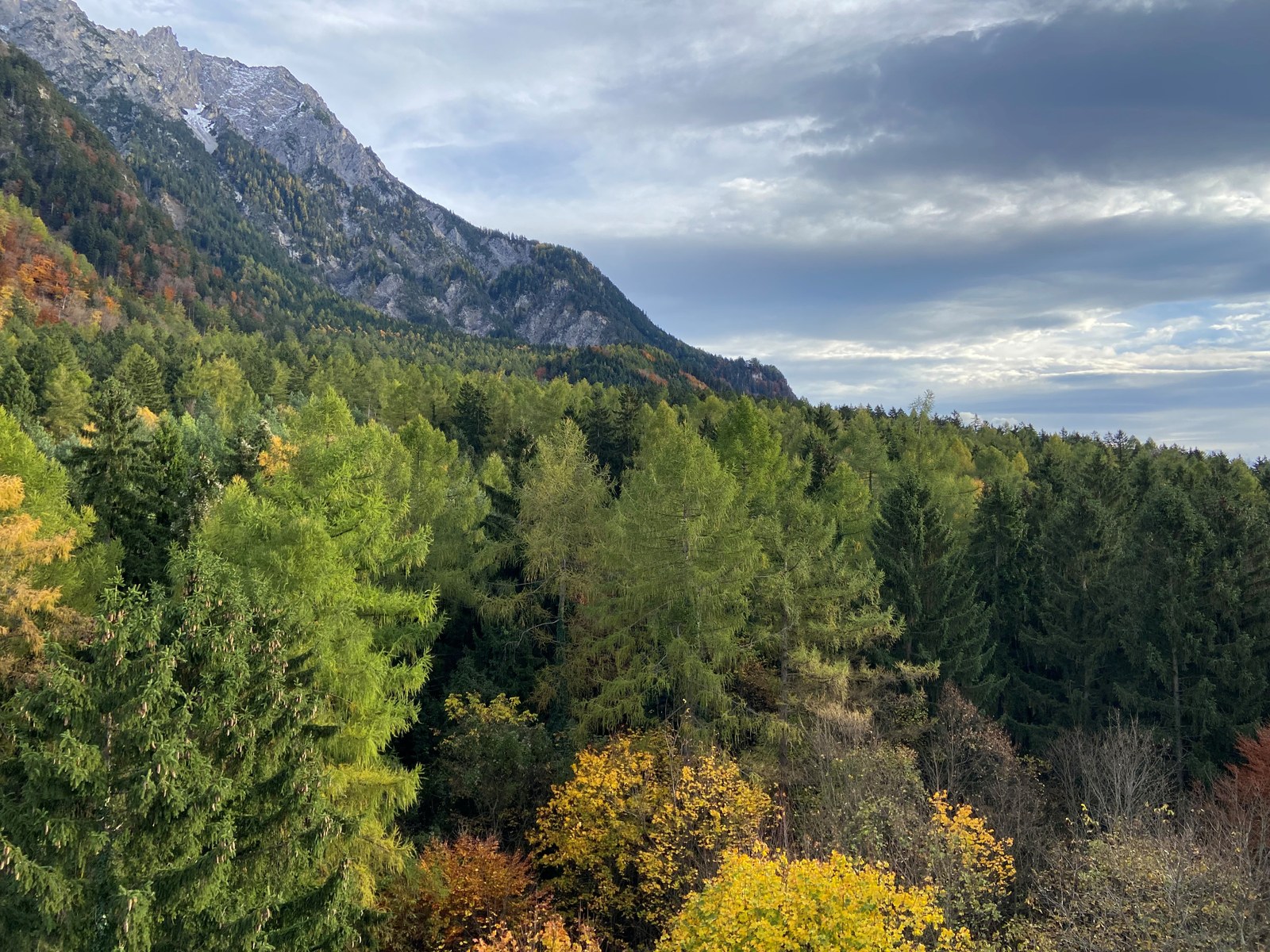
More than 40 percent of the Alpine region is covered by forests. They are not only a defining feature of the landscape, but also a cornerstone of Alpine livelihood, providing building materials, supporting biodiversity, and delivering essential ecosystem services.

Who is CIPRA?
Find out more!
More articles
alpMedia | Schaan, LI
Brain Drain and Brain Gain in peripheral regions
The focus of the 2003 - 2007 "Brain Drain - Brain Gain" Project is the development, introduction and evaluation of action plans that reduce the migration of skilled labour from peripheral regions and instead favour migration into these areas.
alpMedia | Schaan, LI
Negotiable land use certificates
Through the tool of the land use certificate (FNZ) the growing land consumption in Switzerland shall be limited. With the brochure "Recovering land - land use certificates in land planning" the environmental organisation Pro Natura wants to bring the discussion about this tool in the public arena.
alpMedia | Schaan, LI
The way of the Wolves - The Alps- Carpathian Corridor
The Austrian Ministry for Transportation Innovation and Technology is committed to the establishment of the wildlife Alps-Carpathian Corridor.
alpMedia | Schaan, LI
Wengen Workshop 2006 on global climate change
An international workshop on global climate change research will take place also this year on 4 - 6 October in Wengen/CH.
Events
|
Symposium 2: Vernacular Buildings in the Anthropocene | Austrian Academy of Sciences, Vienna (Austria) |
Projects
CIPRA International | CIPRA Deutschland | CIPRA Italia | CIPRA France
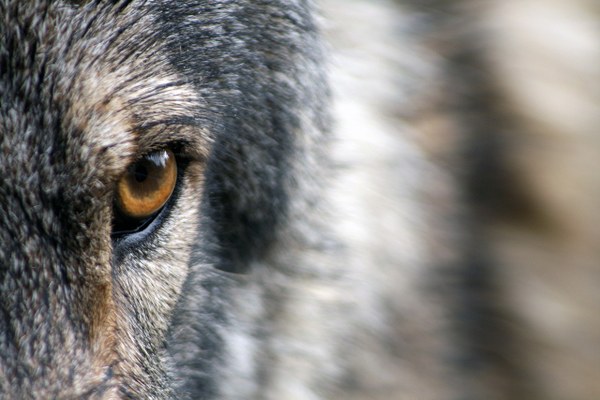
Knowledge transfer on the co-adaptation of humans and wolves in the Alpine region
[Project completed] The return of large carnivores is increasingly causing the fronts to harden between different groups of stakeholders. Among the large carnivores returning to the Alps, the wolf is the most widespread and therefore the most widely debated animal. Wolves are synanthropic animals and cross boundaries - physical as well as intangible ones – regularly. Thus, they have been accompanying and influencing social and cultural processes since time immemorial. In this project, CIPRA has taken on the task to collect, analyse, make available and disseminate knowledge about the co-adaptation of humans and wolves throughout the Alps.