
Laura Haberfellner, CIPRA International Lab
Learning from a region that spans four countries
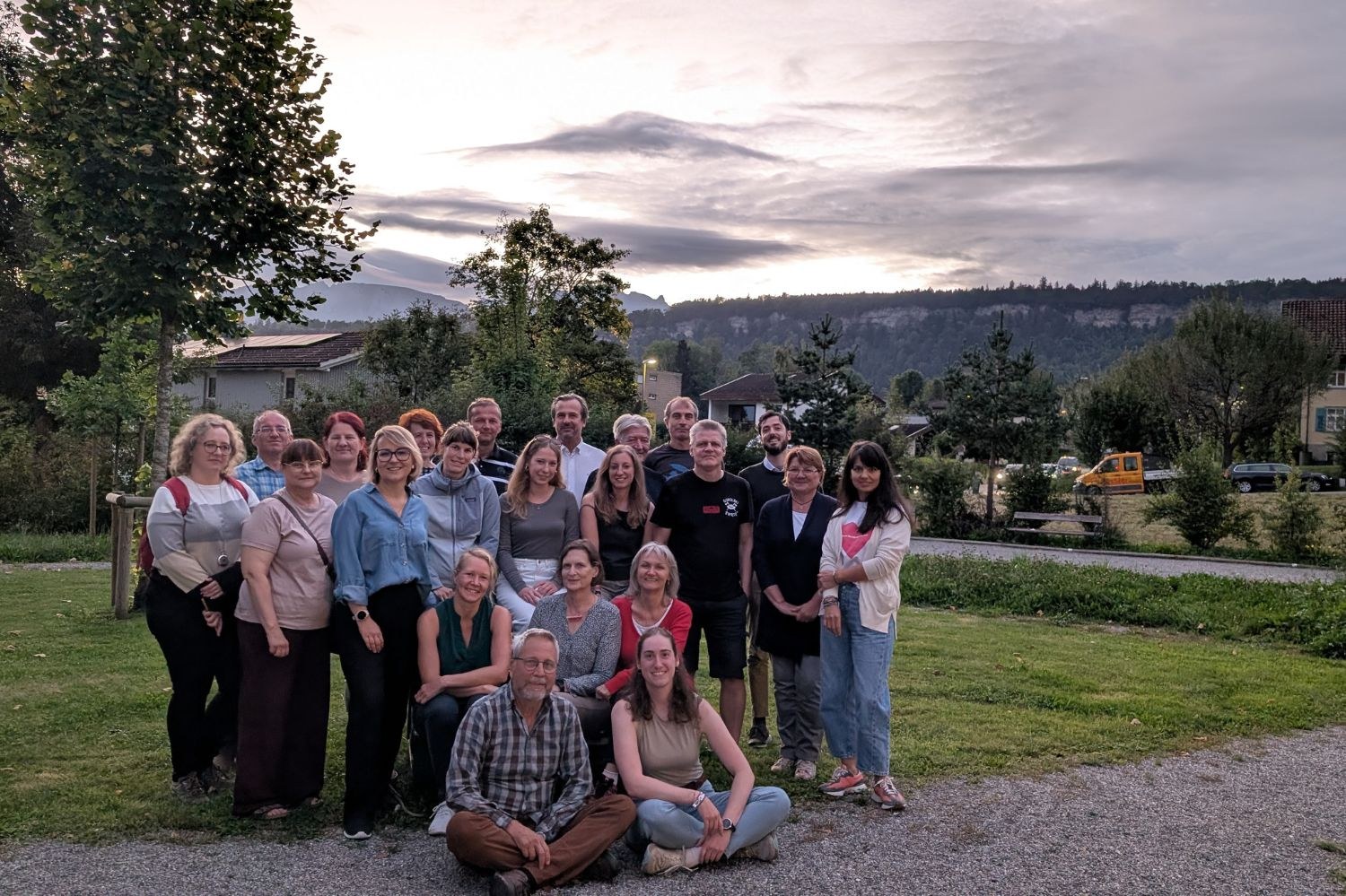
From the Carpathians to the Alps: in mid-September 2025, partners in the Central Mountains project visited Feldkirch/A. The focus was on cross-border cooperation in tourism, spatial planning and youth participation.

Who is CIPRA?
Find out more!
More articles
Laura Haberfellner, CIPRA International Lab
Learning from a region that spans four countries
From the Carpathians to the Alps: in mid-September 2025, partners in the Central Mountains project visited Feldkirch/A. The focus was on cross-border cooperation in tourism, spatial planning and youth participation.
Michael Gams, CIPRA International
Renewable energies: Alpine Convention becomes decisive
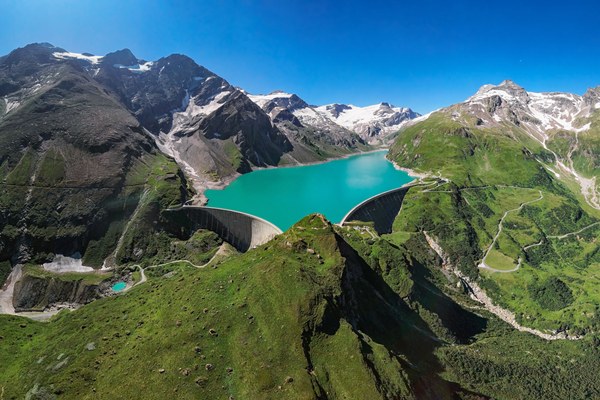
The EU wishes to accelerate the expansion of renewable energies. In the Alps, however, this must not come at the expense of sensitive natural areas. CIPRA International has now achieved two important clarifications through legal action: as a treaty under international law, the Alpine Convention takes precedence over secondary European Union law – that is, EU regulations and EU directives; consequently, its provisions must also be complied with when implementing the Renewable Energy Directive (RED III).
Magdalena Praun, CIPRA Austria
Dialogue on Alpine Spatial Planning: Proceedings of the CIPRA Annual Conference 2025
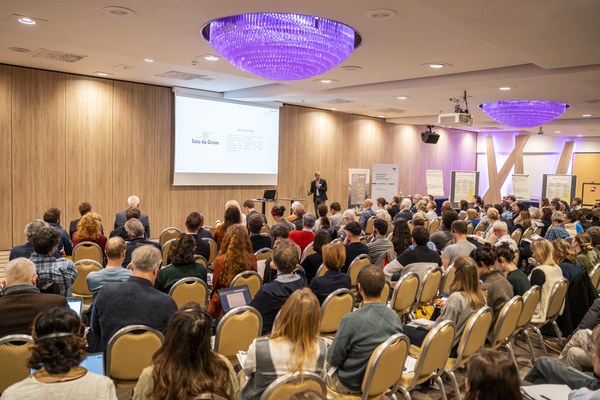
How can Alpine Spatial Planning mitigate conflicts between the energy transition and nature restoration? This question was addressed at the CIPRA Annual Conference 2025 in Salzburg, which brought together more than 160 participants. The proceedings show key insights and recommended actions – not in a concluding way, but as part of an ongoing learning process and as an impulse for further debates. They underline the shared understanding that the energy transition in the Alpine region must be approached and implemented in a cross-sectoral, interdisciplinary, and transboundary manner.
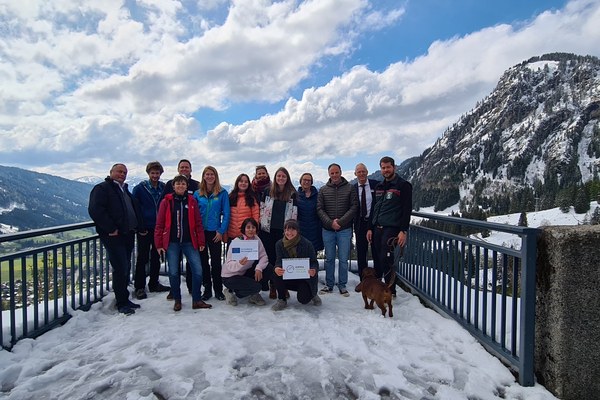
A delegation from Chartreuse visits Bad Hindelang to discuss mobility in Alpine areas
As part of the European ERASMUS+ project "DINAMO - Developing International Nature Adapted Mobility Options", CIPRA Germany and CIPRA France organised exchange study visits between two pilot territories : the Chartreuse massif in France (represented by the regional natural park and the local authority "Coeur de Chartreuse") and the municipality of Bad Hindelang in Germany.
Events
|
The Better-Cities Event | Ljubljana | |
|
Symposium 2: Vernacular Buildings in the Anthropocene | Austrian Academy of Sciences, Vienna (Austria) |
Projects
CIPRA France
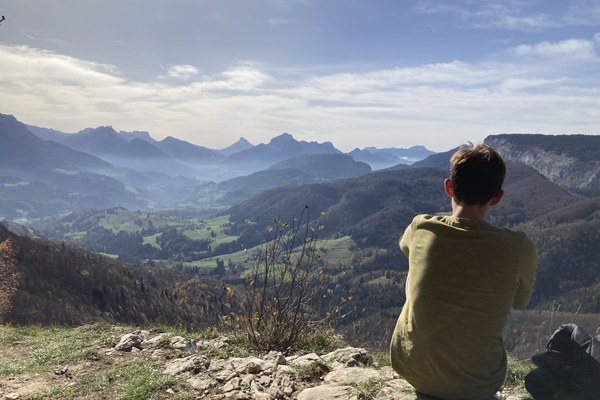
GOVQoL – Empowering Alpine communities to improve their quality of life
Alpine communities’ quality of life (QoL) is currently facing several challenges such as the depopulation of remote areas, reduced provision of services of general interest, the impacts of climate change, and mistrust of governance. These issues are not only reshaping the Alpine territories but also impacting the daily lives of its inhabitants. Despite the urgent need for responsive and inclusive governance, there is currently a significant gap in understanding and addressing QoL at the local level which our project aims to address.
CIPRA International
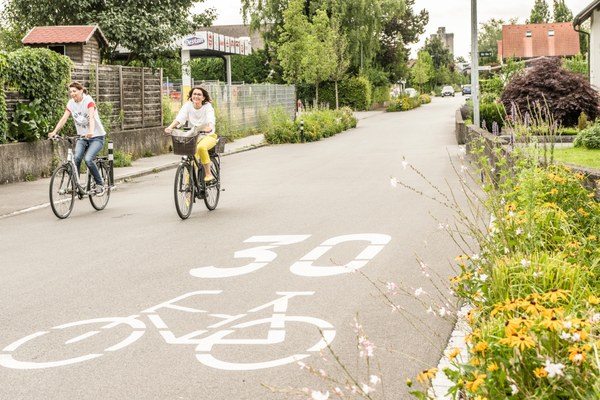
Climate-friendly streetscapes
Whether travelling by car, public transport, bicycle or on foot, roads and their immediate surroundings are probably the most important part of our daily journeys. Against the backdrop of the climate crisis, they can become a problem because they increase the heat island effect and seal the ground. The project, based in the Alpine Rhine Valley, aims to make road spaces fair, climate-friendly and health-promoting.
CIPRA International
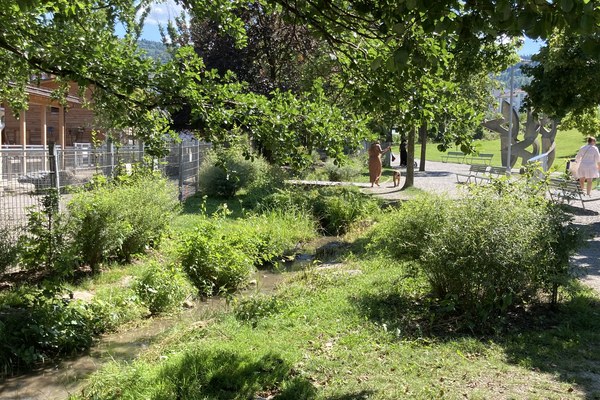
Nature-based solutions and their governance structures in the Alpine region
In view of the global challenges of climate change and biodiversity loss, the use of nature-based solutions (NbS) is becoming increasingly important. On behalf of the German Federal Environment Agency, ifuplan (lead) and CIPRA International are preparing a report on “Nature-based solutions and governance structures in the Alpine region”. The aim of the report is to analyse the potential of various NbS in the Alpine region and the governance mechanisms behind them that ensure their success. Based on this, their transferability to other Alpine regions will be analysed and recommendations for action formulated.