
Articles
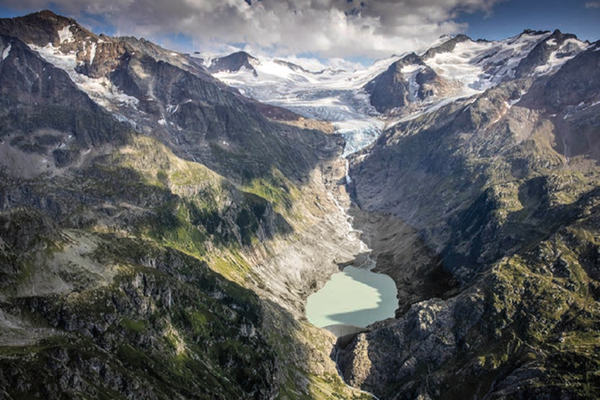
The battle for Alpine water
A revival of the hydropower boom: 70 years ago, many Alpine rivers were dammed for the benefit of power stations, while valuable high valleys were built over. Today, new requirements are threatening their ecological functions. In view of the dwindling glaciers and increasing utilisation demands, a distribution battle is looming.
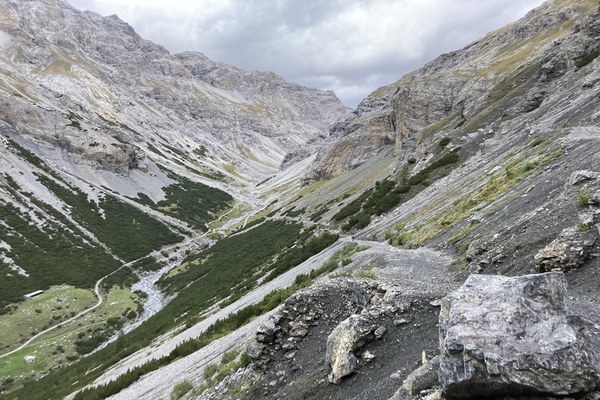
Protecting Alpine biodiversity
In September 2024, CIPRA launched two innovative Interreg projects: LiveAlpsNature and AlpsLife. These projects are helping to protect biodiversity in the Alps and meet the growing challenges posed by the climate crisis and intensive tourism.

Getting stones rolling
Workshops, excursions, art cards, podcasts: the results of the CIPRA “SteinReich” project, which focused on drystone walls and cairns, are diverse and tangible.
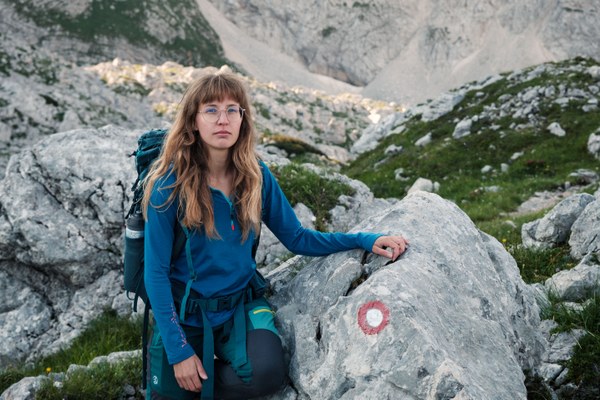
Point of view: Let’s prioritise youth over tourism
We want young people to stay on the land, but the demands of tourism, high property prices and the landscape as an object of speculation make this difficult. We talk about the fight against the climate and biodiversity crisis, all while shopping centres and business parks are being built in the countryside. Environmental protection and solutions to the housing crisis should be prioritised, as this would also be in the interests of young people, says Dijana Čataković from CIPRA Slovenia. She asks: Who else will be able to live in the Alps and afford to live there?
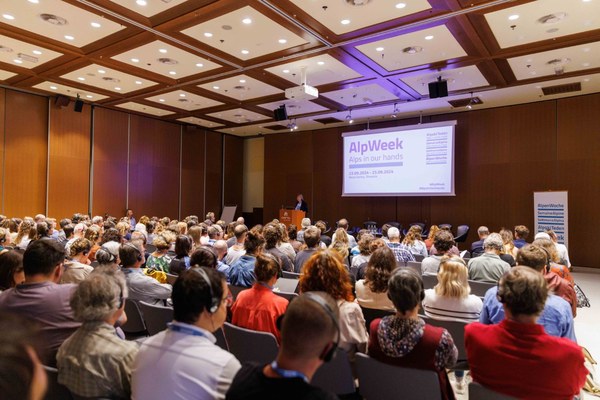
AlpWeek 2024: time for action
A look back, a look forwards: twenty years after the first AlpWeek, the eighth edition of the international conference brought over 200 people to Nova Gorica/SL to discuss what is important in the development of the Alpine region.
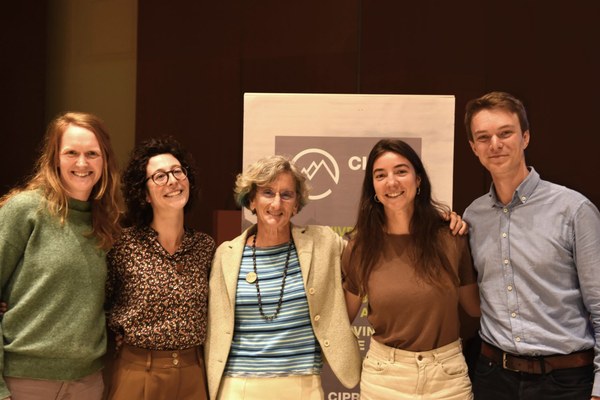
New faces at CIPRA
CIPRA's delegates elected Uwe Roth from Germany as the new President. The Board is becoming younger and more female.
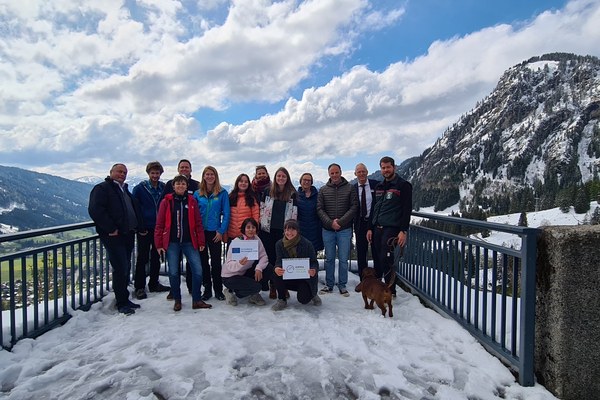
A delegation from Chartreuse visits Bad Hindelang to discuss mobility in Alpine areas
As part of the European ERASMUS+ project "DINAMO - Developing International Nature Adapted Mobility Options", CIPRA Germany and CIPRA France organised exchange study visits between two pilot territories : the Chartreuse massif in France (represented by the regional natural park and the local authority "Coeur de Chartreuse") and the municipality of Bad Hindelang in Germany.
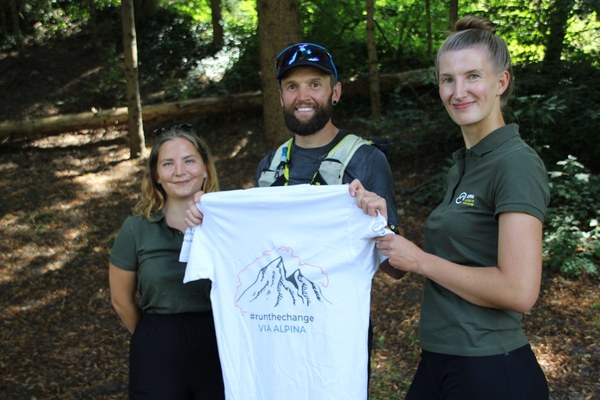
Record run along the renewed Via Alpina
Across the Alps on foot: British endurance athlete Jake Catterall covered more than 2,000 kilometres and 100,000 metres in altitude in just 35 days. He ran the renewed red route of the Via Alpina in record time - he started in Trieste/I on 8 July 2024 and reached Monaco on 12 August.
DINAMO Erasmus+ project: a new white paper on mountain mobility
The "DINAMO" project aims to address the challenges of rural mountain mobility by encouraging cooperation between different stakeholders and stimulating creative processes through international exchanges. The main objective is to promote sustainable mobility solutions in rural mountain areas, to help them become less dependent on individual car transport.
Learning about Alpine cross-mobility in the DINAMO Erasmus+ project webinars
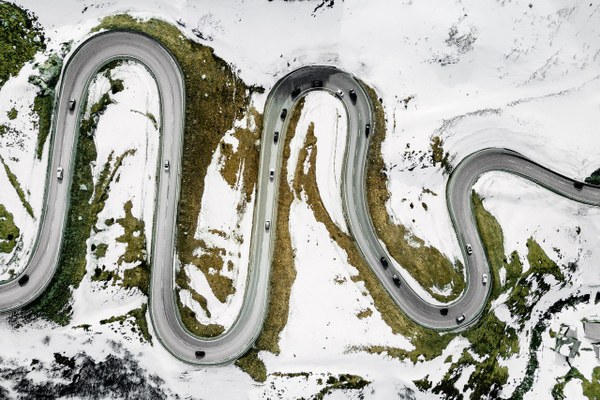
As part of the European ERASMUS+ project "DINAMO - Developing International Nature Adapted Mobility Options", CIPRA Germany and CIPRA France organised two webinars on the topic of cross-border mobility and Alpine mobility strategies in June and July 2024.
DINAMO Erasmus+ project: the return trip from Bad Hindelang to Chartreuse
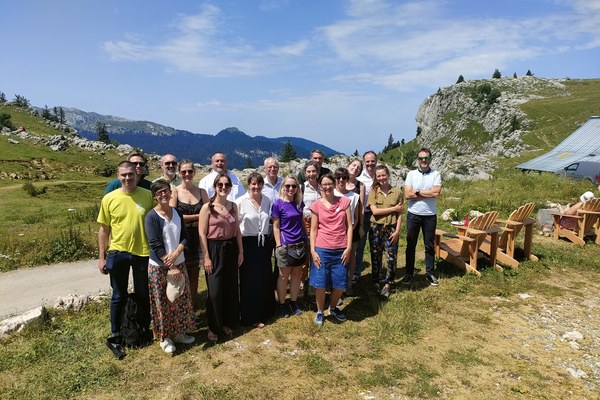
As part of the European ERASMUS+ project "DINAMO - Developing International Nature Adapted Mobility Options", CIPRA Germany and CIPRA France organised exchange study visits between two pilot territories : the Chartreuse massif in France (represented by the regional natural park and the local authority "Coeur de Chartreuse") and the municipality of Bad Hindelang in Germany.
Alpine huts: the first victims of the climate crisis?
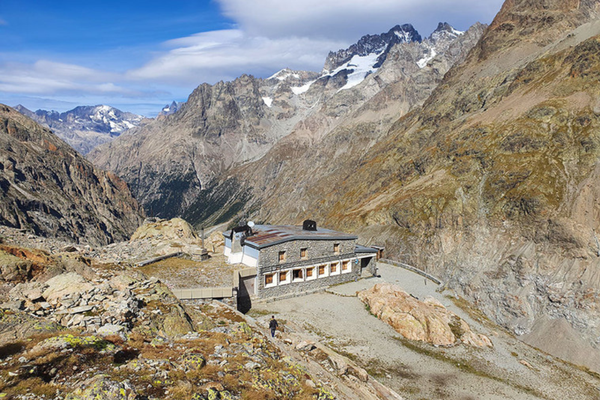
Water shortages, disintegrating mountains and renovation needs: managing Alpine huts has always been difficult, but the climate crisis is making the situation even worse. The Austrian Alpine Association has already issued an “Emergency call from the Alps”.
Point of view: Let’s break up (the ground)!
Instead of continuing to build on large areas of the ground beneath our feet, we should unseal it wherever possible and do ourselves a favour, says Marion Ebster. She runs the Ground:breaking project – which includes an Alpine-wide unsealing competition.
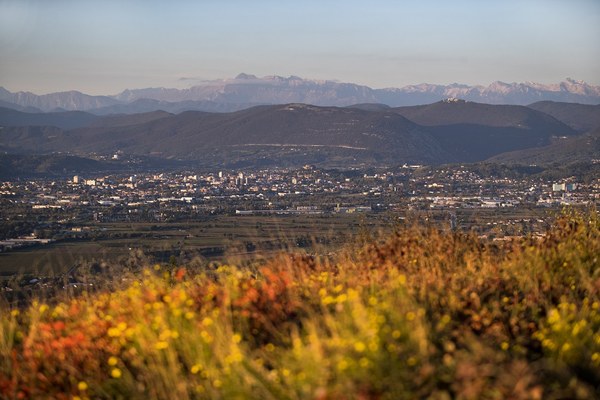
AlpWeek 2024 in Nova Gorica
Two decades ago, “AlpWeek” was held for the first time in Slovenia as an international event organised by Alpine organisations. It will return there from 23 to 25 September 2024.
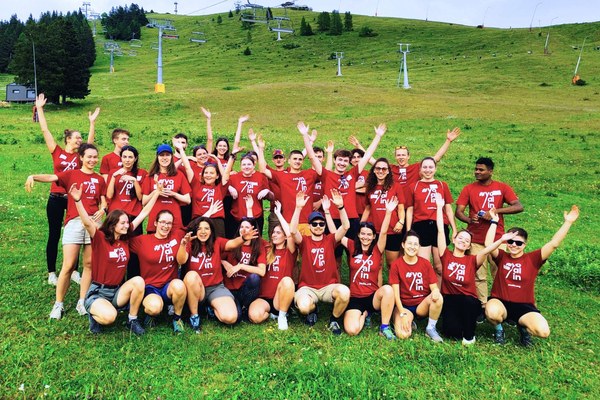
20,000 climate-friendly kilometres
At the end of June 2024, 35 young people – previously unknown to each other – met in Slovenia. They were part of the Yoalin project, in which 105 (out of over 2,200 applicants) are travelling the Alps this summer in a climate-friendly way using an Interrail ticket.

Young people’s demands for a good life in the Alps
Environmental protection, car-free mobility and better work-life balance: these were the political demands of young people from Germany, France, Slovenia and Liechtenstein at the end of the CIPRA “Alpine Compass” project.
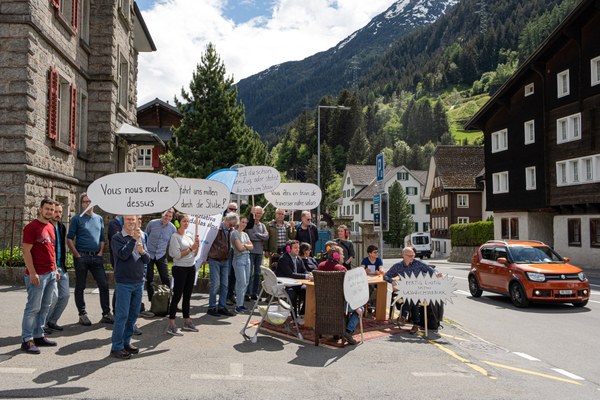
Sustainable traffic management, not lawsuits
CIPRA representatives along the transport axis over the Brenner Pass are calling for sustainable traffic management instead of populist grievances. Now Switzerland is facing a renewed increase in traffic.

Healthy Alps, healthy people
What risks and side effects does the climate crisis have for our health? How can we best treat the symptoms? These are the questions explored in AlpsInsight no. 111, published in June 2024.
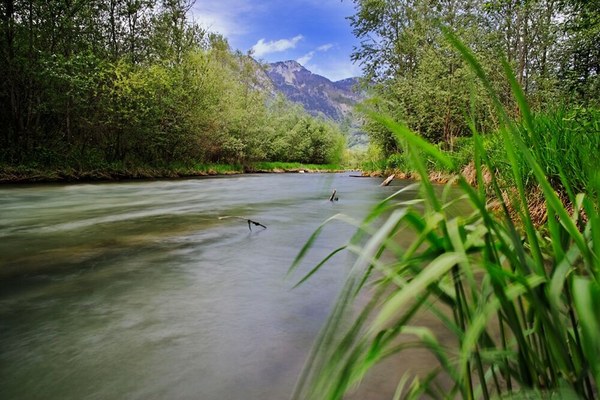
Green light for Nature Restoration in the EU
The majority of EU environment ministers voted in favour of the Nature Restoration Law on 17 June 2024. The decisive factor was the courageous and foresighted last-minute approval by Austria's Environment Minister.
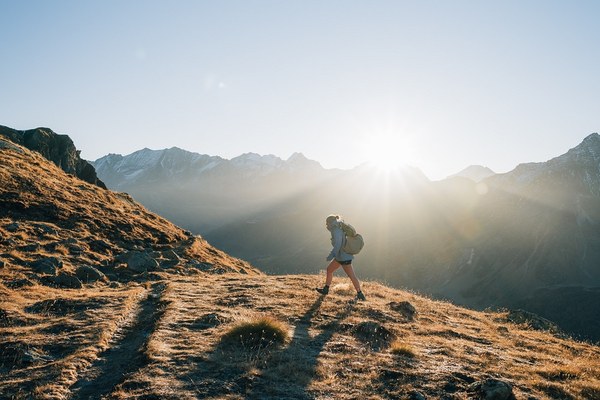
Via Alpina reborn with a new look
Good news for long-distance hikers: the new Via Alpina website is now online, making it easier and more fun to plan hiking trips through the Alps.
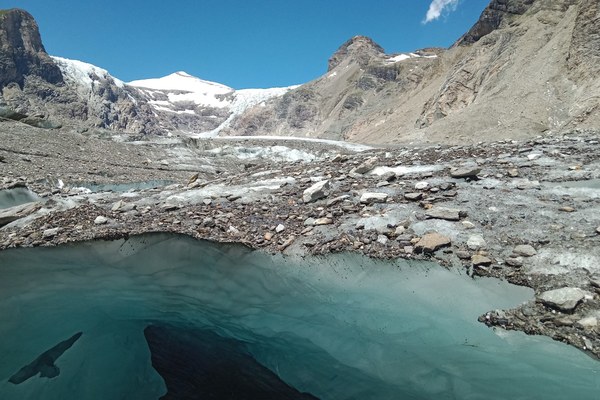
The final glacier melt
Glaciers have been suffering from the consequences of climate change for years, but the latest figures from the Alpine countries are nevertheless alarming: measurements from 2022-23 show that the glaciers in the Alps shrank by more than ever before. A researcher from the Austrian Alpine Association describes the situation as “miserable as hell”.

Excessive consumption of resources
The Alpine countries are living at the expense of future generations: if everyone lived like those living in the Alpine region, the available resources for this year would be used up by May 2024.
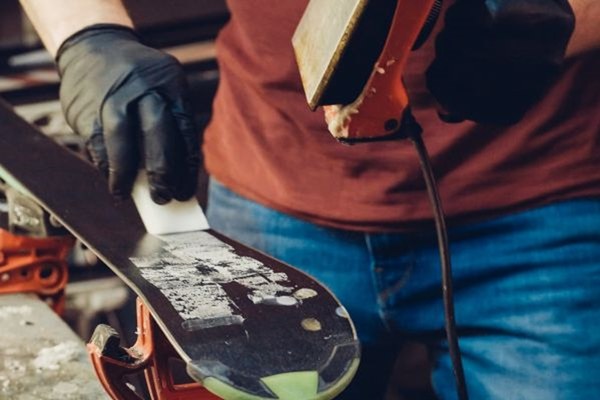
Toxic chemicals - even in ski resorts
Anoraks, climbing ropes, ski wax: many outdoor products contain persistent chemicals (PFAS). A recent study shows their worldwide distribution, with ski resorts in the Alps particularly affected.
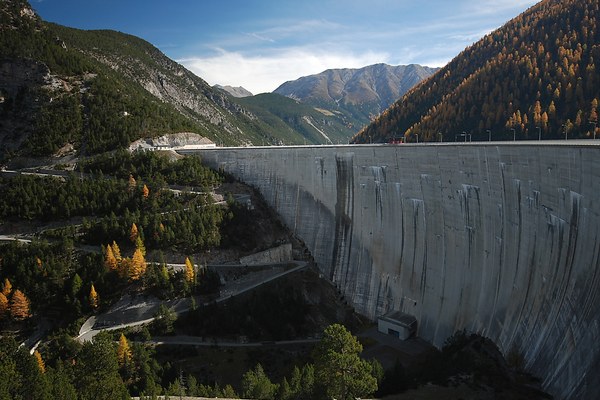
New Alpine reservoirs to combat water shortages
Frequent droughts, thirsty agriculture: Italy is discussing the construction of additional reservoirs to supply drinking water and energy. More ecologically sound solutions are in danger of falling by the wayside.
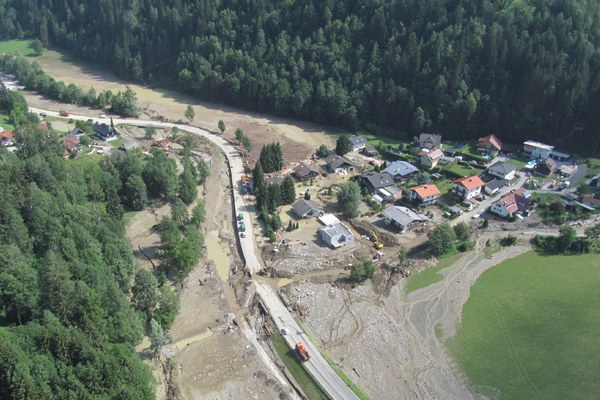
After the flood
What role could biosphere reserves play in dealing with climate risks? This was the subject of an international workshop organised by the MultiBios project in Bad Kleinkirchheim/A at the beginning of April 2024, which included a site visit to the Gegendtal valley that was affected by heavy rainfall and flooding two years ago.
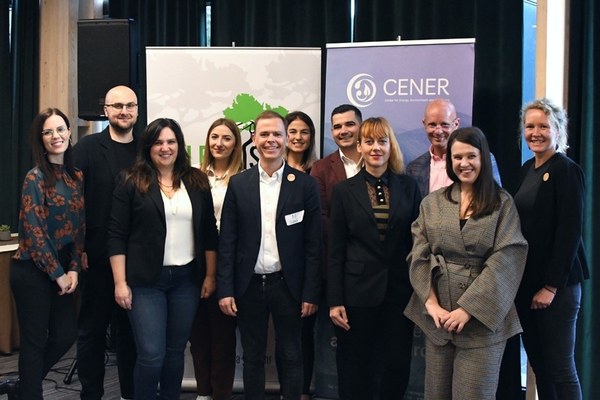
New network promotes climate protection in Southeast Europe
Exchanging knowledge on climate protection in Southeast Europe, networking and learning to understand each other better: these were the aims of the Climate Bridges project of CIPRA International Lab, which has now been completed.
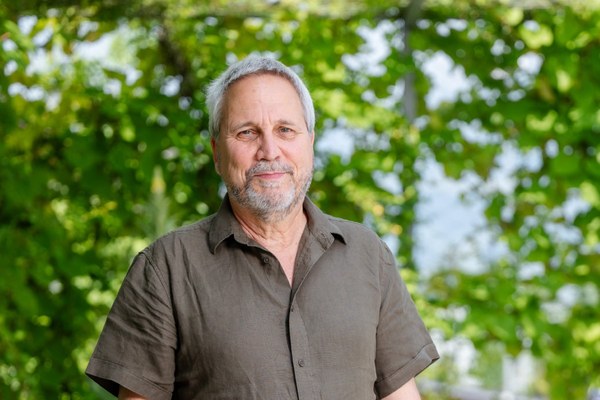
Point of view: European elections 2024: why a Swiss citizen would also like to vote
Switzerland’s referendum-based democracy has pitfalls of its own when it comes to environmental and climate policy. There needs to be an overarching corrective, such as neighbouring countries have in their constitutional courts and through the legal institutions of the EU, says Kaspar Schuler – as a Swiss citizen and Executive Director of CIPRA International.

Climate protection becomes a human right
A legal milestone for climate protection: on 9 April 2024, the European Court of Human Rights (ECtHR) ruled that Switzerland is violating the human rights of older women because the country is not doing what is necessary to combat global warming.
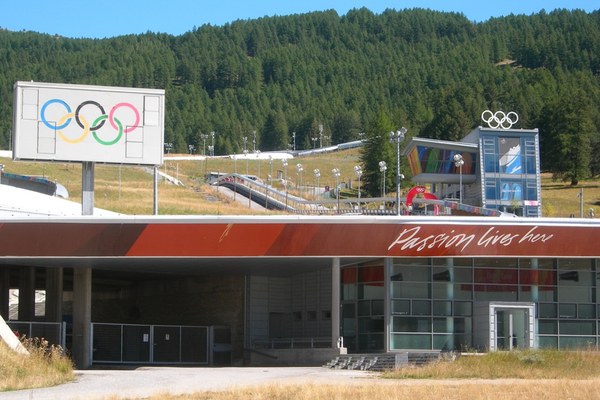
The next unused bobsleigh run
The controversial Olympic bobsleigh run in Cortina is being built after all. Despite organisational concerns, Italy’s Infrastructure Minister, Matteo Salvini, has pushed construction through.
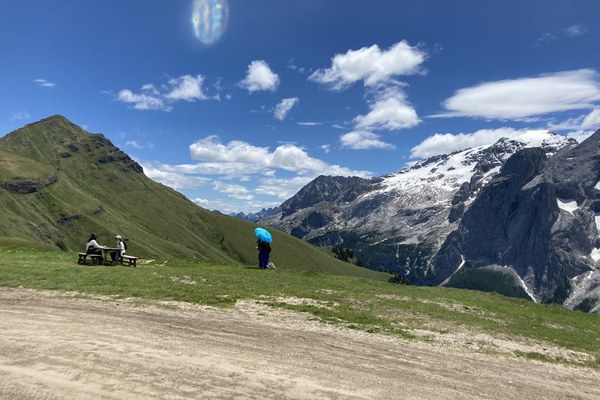
Guiding visitors, preserving the natural experience
From artificial intelligence and the last kilometre to carrying capacity limits and nudging: the speciAlps podcast series and a webinar delve deeper into the topic of visitor guidance for a wide audience.