
Articles
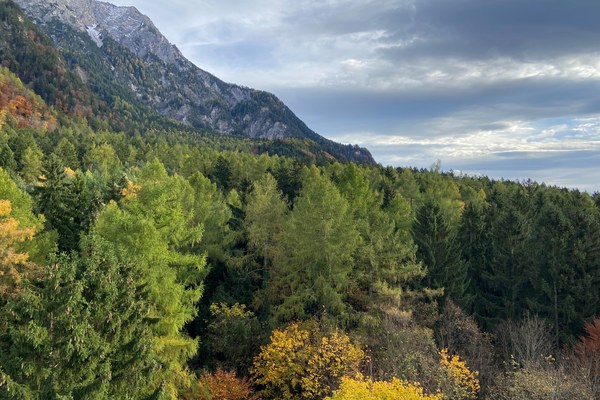
Act now to protect forests: sign the #HandsOffNature petition!
More than 40 percent of the Alpine region is covered by forests. They are not only a defining feature of the landscape, but also a cornerstone of Alpine livelihood, providing building materials, supporting biodiversity, and delivering essential ecosystem services.
When nature loses, we all lose
The air we breathe, the water we drink, the food we eat, the safety of our homes – all depend on strong environmental laws. Right now, those protections are under attack. Once they’re gone, we hand the keys of our future to those who see nature only as a resource to exhaust. In the EU, environmental laws are being gutted, under the promise of “simplification” of the legal system. But in reality, these changes will only profit greed, while endangering the lives of all.
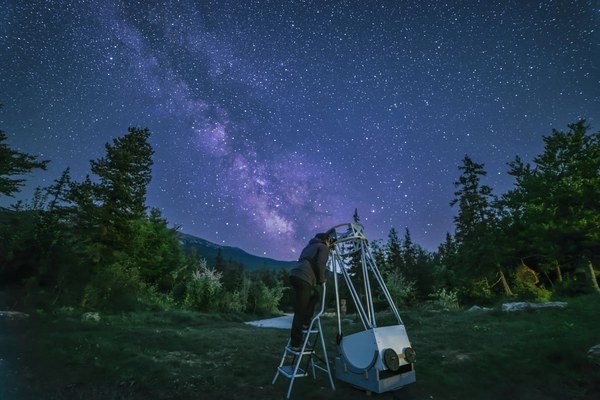
Keeping our eyes on the stars
Dark nights have become a rarity in our bright world. Artificial light from settlements, industry, street lighting and billboards illuminates the night sky. In Austria, a new natural night sky area is being created that will preserve the view of the starry sky.
Too much water, too little water: excursion to the Vienna Woods
How do drones detect illegal campfires? How do settlements protect themselves from the next flood? What do forest fires have in common with avalanches? At the end of November 2024, an excursion to the Vienna Woods Biosphere Reserve by participants in the MultiBios project looked for answers.
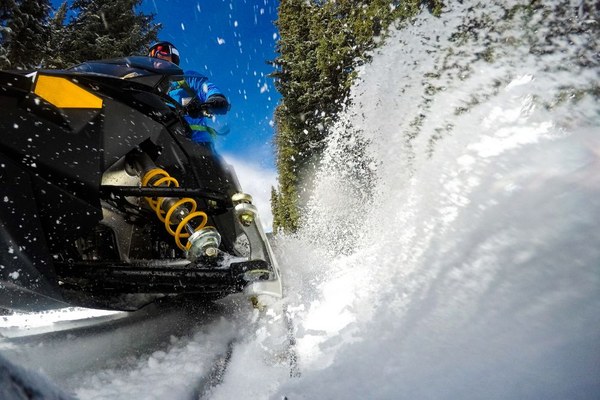
An end to snowmobiles and heliskiing
In France, snowmobile tours are now officially banned in the Chamrousse ski resort; other areas could soon follow suit. In Austria, environmental organisations are calling for an end to heliskiing.
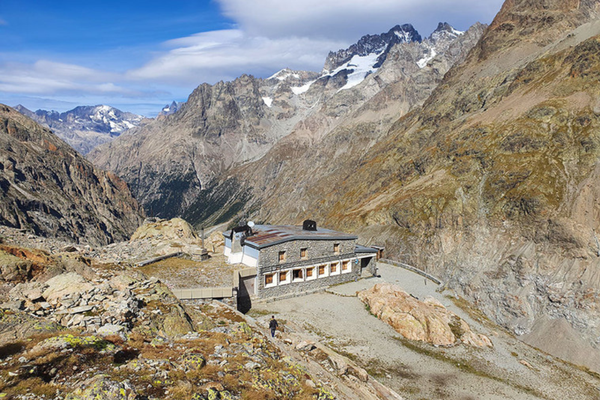
Alpine huts: the first victims of the climate crisis?
Water shortages, disintegrating mountains and renovation needs: managing Alpine huts has always been difficult, but the climate crisis is making the situation even worse. The Austrian Alpine Association has already issued an “Emergency call from the Alps”.
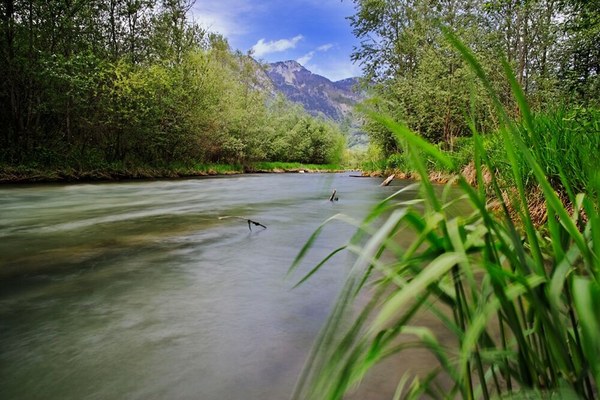
Green light for Nature Restoration in the EU
The majority of EU environment ministers voted in favour of the Nature Restoration Law on 17 June 2024. The decisive factor was the courageous and foresighted last-minute approval by Austria's Environment Minister.
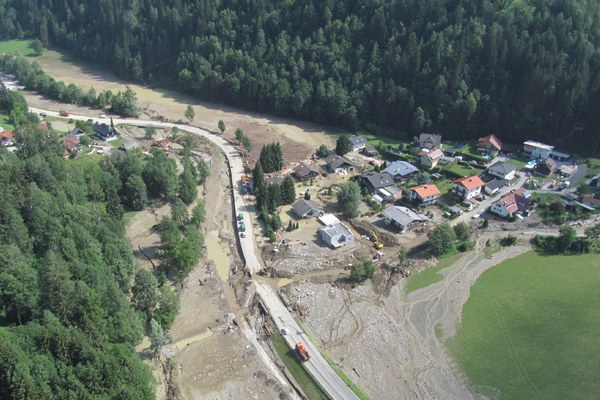
After the flood
What role could biosphere reserves play in dealing with climate risks? This was the subject of an international workshop organised by the MultiBios project in Bad Kleinkirchheim/A at the beginning of April 2024, which included a site visit to the Gegendtal valley that was affected by heavy rainfall and flooding two years ago.
Implementing simple ideas for more climate protection
Simply do it is the motto of the EmpowerLIFE project launched in 2023. It supports people in realising their do-it-yourself ideas and plans in relation to climate protection. The climate crisis and the energy crisis that emerged in 2022 are motivating many people to take action: they simultaneously want to live more sustainably, help shape the future and reduce costs.
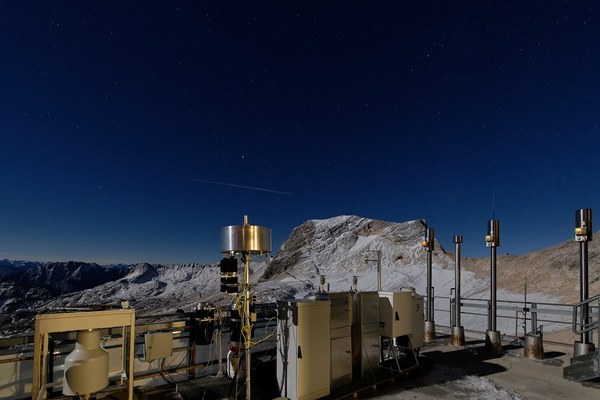
Extreme weather at a glance across the Alps
At the end of November, a new Alpine-wide research centre presented itself to the public at the Schneefernerhaus, the German environmental research station below the Zugspitze peak: the “TUM Alpha – Centre for Alpine Hazards and Risks” will coordinate, on an international basis, the prediction of extreme climate events in the mountains.
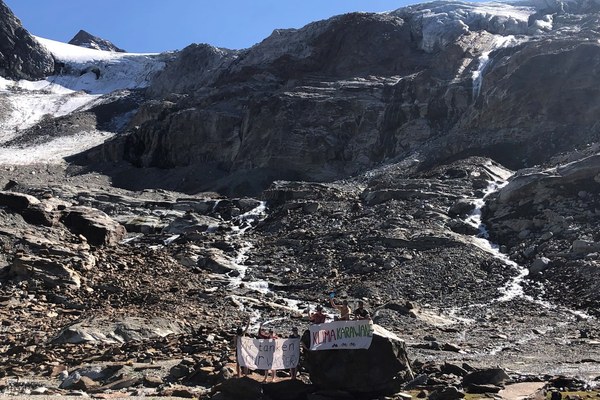
Cycling to the glacier
Exactly how mountaineering and climate protection can be combined was shown by a group of cyclists who biked from Lindau/D to the Ochsental Glacier/A at the start of September 2023. Topics along the way ranged from sustainable tourism to hydropower and nature conservation to glacier loss.
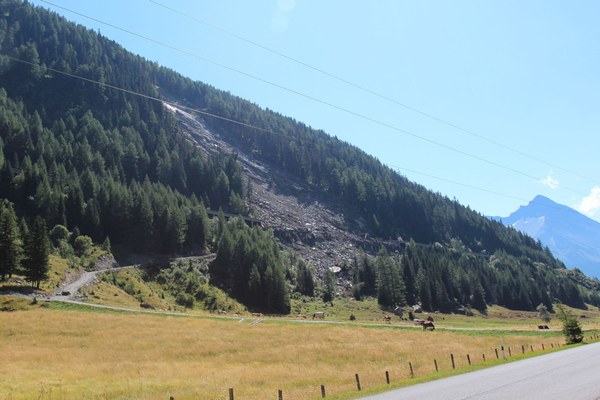
Managing climate risks in biosphere reserves
As an effect of climate change, droughts, floods and other natural hazards are becoming more frequent, sometimes even simultaneously. How can we as a society learn to cope with this and become more resilient in the process? What role can biosphere reserves play in the Alpine region and beyond? With CIPRA participation, a new research project is now looking into these questions.
Hidden CO2 emitters
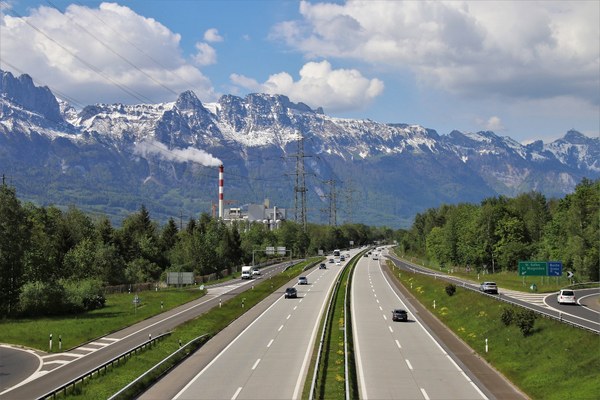
Climate protection measures are expensive, which is why they are regularly criticised and rejected. How then can it be that at the same time the Alpine states are spending billions on environmentally harmful subsidies?
Expedition for future female glacier researchers
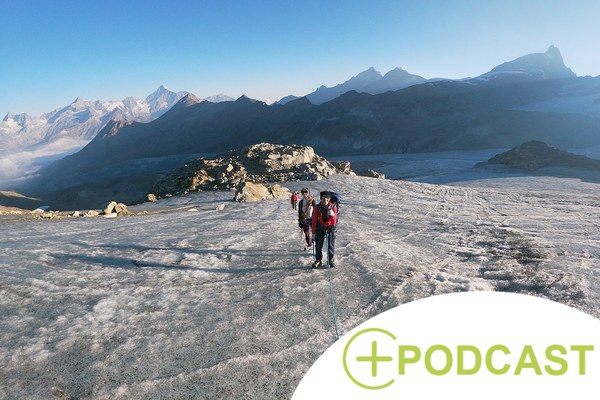
Stay overnight on the glacier for over a week, climb peaks, carry out scientific experiments: the “Girls* on Ice” project offers girls an awe-inspiring summer experience.
No glacier marriage in Tyrol
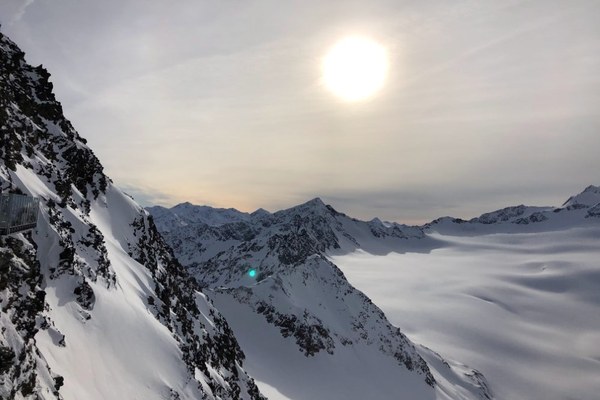
Finally it’s official: the plans for the world’s largest glacier ski area are history. In November 2022, the Tyrolean federal state government rejected the planned merger of the glacier ski areas in Austria’s Ötztal and Pitztal valleys.
Mountain forests and climate change
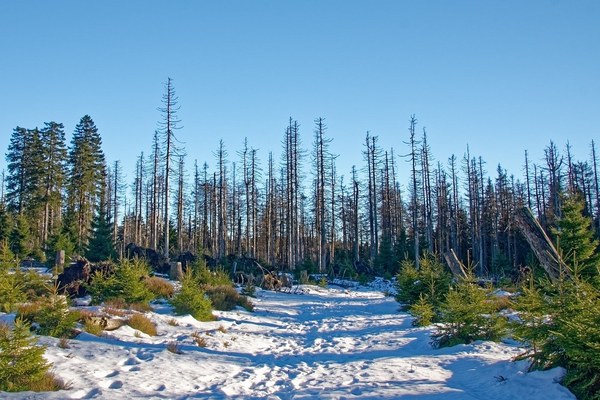
The consequences of climate change are also becoming apparent in the forests of the Alps. In South Tyrol/I and East Tyrol/A this year has seen an explosive spread of pests. What looks like frightening devastation might present a long-term opportunity, however.
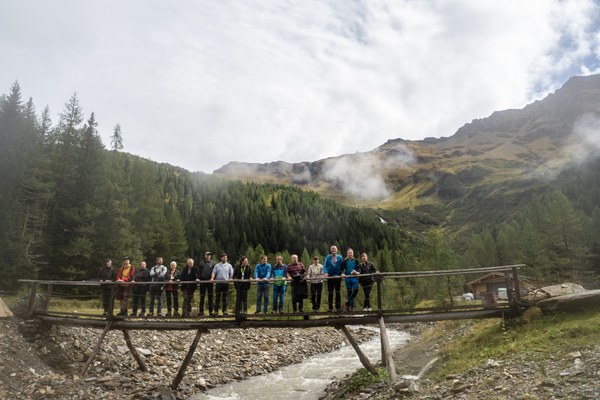
Ideas for Jelovica from Pinzgau
Preserving the region’s natural and cultural heritage: this is the aim of the project on the Slovenian karst plateau of Jelovica. In mid-September 2022, the Slovenian partners of the “JeloviZA” project travelled to the Austrian Pinzgau region to gain inspiration from the Hohe Tauern National Park region.
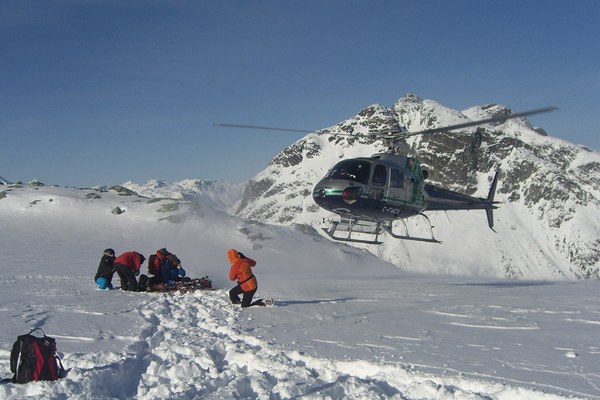
Onto the slopes by helicopter
Is heliskiing in the public interest? Vorarlberg extends its authorisation by two and a half years: CIPRA Austria calls for greater emphasis on climate protection.
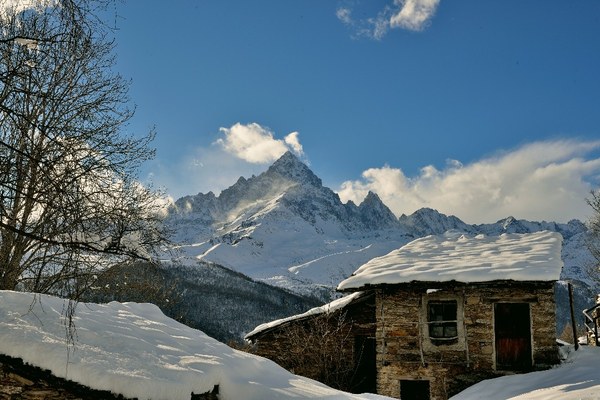
Abandoned and uncultivated
Remote mountain villages in Piedmont/I have been struggling with heavy emigration for years. The region is now supporting people moving back to the mountains. A study from Austria shows how endangered Alpine agriculture actually is.

Do you speak Alps?
A different dialect in every community: the linguistic diversity of the Alps is fascinating and constantly changing, which also makes it interesting for linguists. Using modern methods such as crowdsourcing, a research project is collecting dialect words across the Alps for a digital, living lexicon.
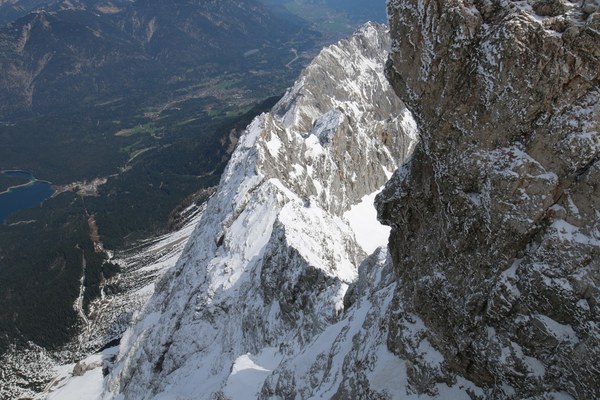
Climate crisis makes mountains crumble
Rockfalls and rockslides are nothing new in the Alps, but dwindling permafrost is making the situation even worse – for mountaineering and for villages.
Point of view: For glaciers without a circus
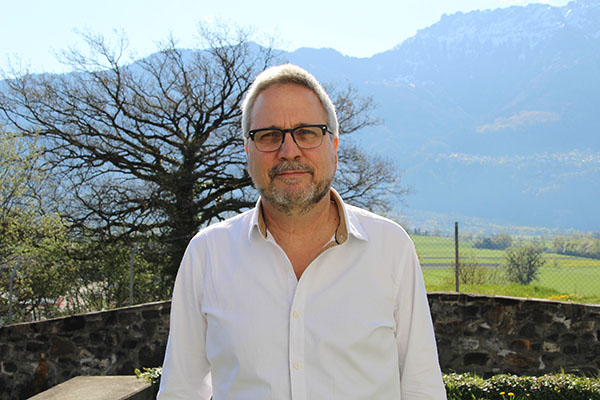
The largest glacier ski resort in the Alps is to be built in Tyrol, Austria - on already melting glaciers. The planned connection of the ski areas in Pitztal and Ötztal goes against all reason, says Kaspar Schuler, Co-Manager of CIPRA International.
The Alpine Rhine fête
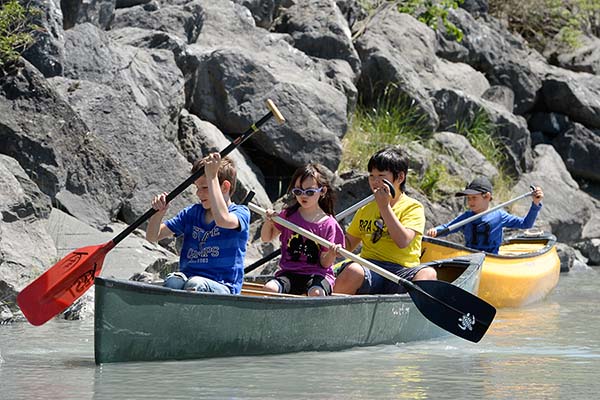
CIPRA Liechtenstein. Taming Europe’s biggest torrent began some two hundred years ago. Today, the Alpine Rhine is a canal, its course lined for the most part by intensively used farmland and residual pockets of wetland forest.
Bus and train: new moves in the Alps-Adriatic region
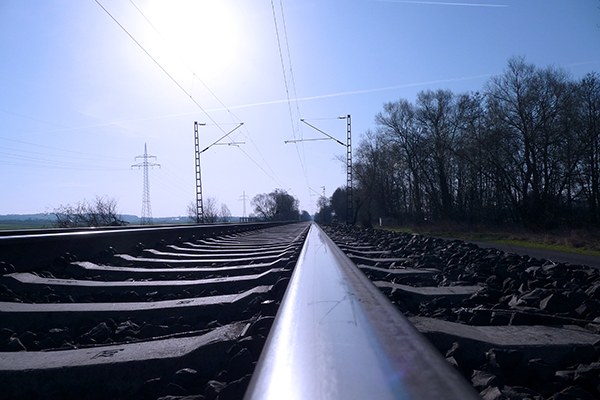
Public transport between Italy, Austria and Slovenia is moving forward. The consequences remain to be seen.
No breathing space in the Alpine regions
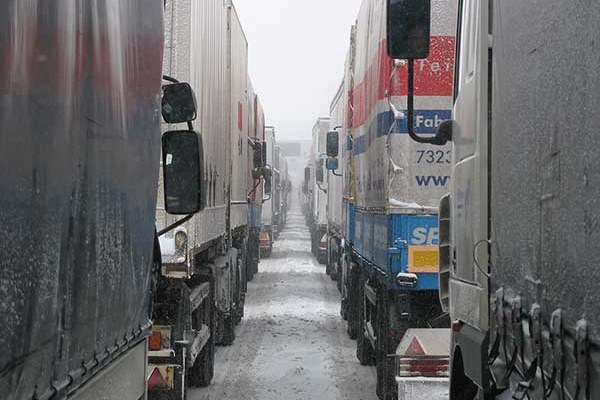
As CIPRA South Tyrol has flagged up, EU limits for nitrogen oxides are being massively exceeded in the region. There is an acute need for action, both in South Tyrol and in other Alpine regions.
Strange but true...
…We now have a new hero factory, Trentino, that is “bearing” heavily on the Alps.
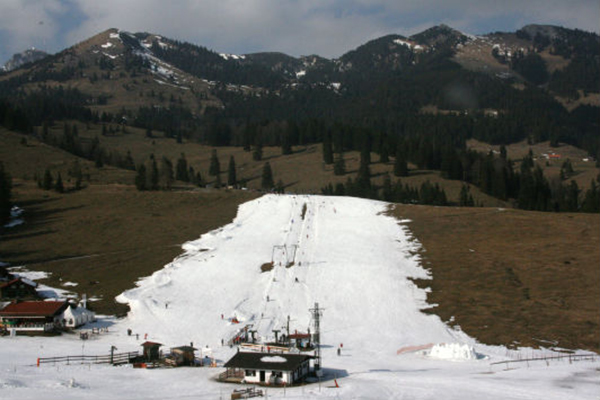
Ski tourism: an insatiable hunger
Gigantic artificial lakes, myriads of snow cannons, secret forest clearances. Ski areas are continuing to expand in all Alpine countries, often using questionable methods and concepts. Below are three examples.

Who will shape the Alpine macro-region?
With its "Alpen.Leben" (Living in the Alps) project, CIPRA Austria is sounding out the role of the Alpine Convention for a macro-regional strategy and is asking who should actually have a say in shaping this European Union strategy for the Alps.
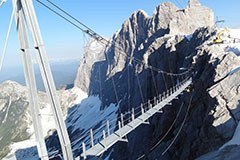
Upgrading the high mountains
Austria's highest suspension bridge, including the "Steps into the Void", is intended to lure tourists to the Dachstein Glacier in a similar way to the recently opened "Du Gouter" luxury hut for walkers on Mont Blanc. The ways in which the Alpine mountain world courts visitors.
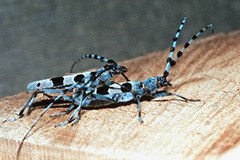
Natural forests for woodpeckers, beetles and bats
The new Austrian project, "Network Natural Forests", intends to contribute to the protection of biodiversity by connecting its forest habitats via two elements: close-to-nature stepping stones and the co-operation of different protected areas.